


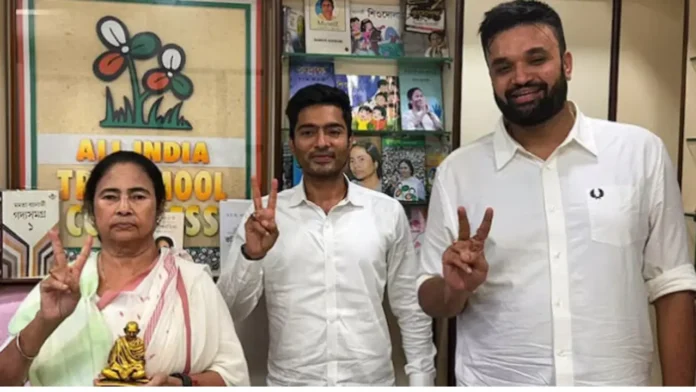
Pratik Jain is not a mass leader or a public face on election posters. Yet, his work has shaped how modern political campaigns operate in India. As a co-founder and director of the Indian Political Action Committee, he represents the rise of professional, data-driven politics. Recent developments have brought his name into sharp public focus, but his influence began much earlier.
Early Life and Education
Pratik Jain trained as an engineer. He studied at IIT Bombay, where he developed strong analytical and problem-solving skills. During these years, he showed interest in systems, data and organisation. This technical mindset later became central to his political work.
After spending time in the corporate world, Jain shifted towards political consulting. He joined a group of professionals who believed Indian elections needed structured planning, data insights and disciplined execution. This idea eventually led to the creation of Indian Political Action Committee, commonly known as I-PAC.
Building I-PAC
I-PAC started as a campaign-focused organisation that combined technology, ground surveys and volunteer networks. Pratik Jain played a crucial role in shaping its internal systems. He focused on digital outreach, voter data analysis and booth-level coordination. Over time, I-PAC expanded into one of India’s most influential political consultancies.
Role and Responsibilities
As a director, Jain works behind the scenes. He designs campaign structures, oversees data teams and coordinates large volunteer networks. He rarely addresses the public. Instead, he works with party leadership, campaign managers and on-ground workers to convert strategy into action. His strength lies in execution rather than rhetoric.
Influence in Indian Elections
Political parties across ideologies have sought professional campaign support in the last decade. This shift made figures like Pratik Jain powerful. His work reflects a larger change where elections rely less on instinct and more on voter behaviour, messaging discipline and feedback loops. Supporters see this as modernisation. Critics see it as excessive centralisation of power.
Why His Name Is in the Spotlight
Recent investigative actions involving I-PAC offices and Pratik Jain’s residence pushed him into national headlines. Authorities say they are examining financial and digital records as part of a wider probe. These developments triggered political reactions and public debate around the role of consultants in democracy. Jain himself has maintained a low profile as legal processes continue.
Supporters of I-PAC argue that political consulting is a legitimate profession and that strategy firms operate within the law. Critics question the growing influence of unelected professionals in shaping public narratives. The discussion now extends beyond one individual and touches the future of election management in India.
The Bigger Picture
Pratik Jain’s story mirrors a transition in Indian politics. Campaigns now resemble large organisations with data teams, content units and rapid response systems. Consultants like Jain sit at the centre of this shift. Whether praised or criticised, their role is no longer invisible.
What Lies Ahead
The ongoing scrutiny will test not just Pratik Jain but the political consulting ecosystem as a whole. Regulatory clarity, transparency and data protection norms may follow. How this phase ends will influence how parties engage strategists in the future.
Pratik Jain is not a traditional politician. He is a product of modern politics, where strategy, data and execution matter as much as speeches and slogans. His rise shows how elections have evolved. The current attention around him underlines a larger question India now faces — how much power should backroom strategists hold in a democracy.

