


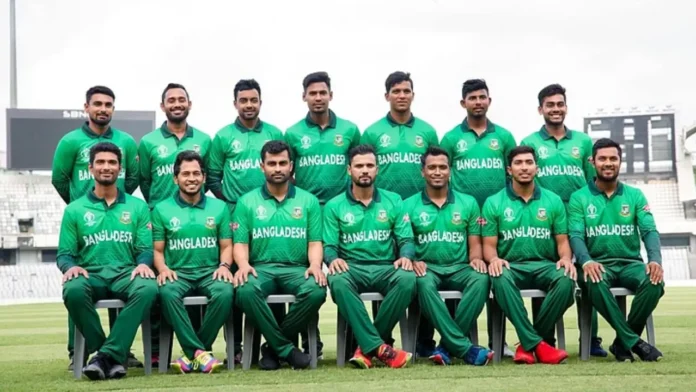
Bangladesh has formally asked the International Cricket Council to move its group-stage matches of the T20 World Cup 2026 out of India. Instead, the board prefers Sri Lanka as an alternate venue. This is not the first letter. It is the second. That detail alone shows the depth of concern within the Bangladesh Cricket Board.
On the surface, the issue looks logistical. Dig deeper, and it becomes clear that this is about trust, perception of safety, and the pressure of public sentiment back home.
The Core Demand, Explained Simply
Bangladesh wants written, individual security assurances for every member of its World Cup contingent. This includes players, coaches, medical staff, support staff, and officials. Alongside these assurances, the board has asked whether its matches can be held in Sri Lanka instead of India. For the BCB, collective promises are no longer enough. They want clarity at a personal level.
Timing matters. In recent weeks, several cricket-related flashpoints have triggered strong reactions inside Bangladesh. One incident, involving Mustafizur Rahman and his removal from an IPL setup, became a symbol rather than an isolated event. Many fans and commentators read it as part of a wider pattern of disrespect.
As emotions hardened, concerns over player safety gained traction. The board found itself under pressure to act, not just administratively but emotionally. Ignoring that mood would have carried its own risks.
Security Is the Stated Reason, Emotion Is the Driver
Officially, the BCB is talking about safety. Unofficially, the issue is also about reassurance. Fear does not need constant proof once it takes root. Even a small incident could spiral into a national controversy. The board knows this. That is why it is seeking guarantees that leave little room for ambiguity.
What the ICC Has Offered So Far
The ICC has shared its full security framework with Bangladesh. It has highlighted arrangements that involve coordination with host authorities, controlled movement, secure hotels, and match-day protection. At the same time, the ICC has made it clear that the final decision to travel rests with the Bangladesh board.
However, the ICC has stopped short of agreeing to a venue shift.
Why Moving Matches Is Not Simple
By now, the tournament schedule is locked. Broadcast partners have committed. Host cities have planned months ahead. Transport, accommodation, and security teams are already deployed across multiple locations.
Moving one team’s matches to another country is not a minor adjustment. It changes broadcast plans, disrupts logistics, and creates a precedent the ICC would rather avoid.
The Real Dilemma for the ICC
If the ICC bends too easily, other teams may raise similar demands in future tournaments. If it stays rigid, it risks appearing insensitive to a member board’s concerns. The governing body must protect both player safety and tournament integrity. Balancing those two goals is proving difficult.
Possible Paths Forward
One option is deeper reassurance. The ICC could provide more detailed, written, individual security guarantees. Another option is internal adjustment within India, such as enhanced protection or alternative Indian venues.
A full shift to Sri Lanka remains possible but unlikely unless negotiations break down completely. The final and most extreme option is Bangladesh refusing to travel, which could lead to forfeited matches and points.
Why This Matters Beyond Cricket
In Bangladesh, cricket is more than a sport. It is a shared national emotion. A World Cup absence would not feel like a technical decision. It would feel like a loss of voice on the global stage.
At the same time, no board can afford to gamble with player safety. The BCB stands at a crossroads, aware that either choice will invite criticism.
In practice, such assurances involve named protection officers, secure travel corridors, restricted-access accommodation, rapid emergency response, and written commitments from local authorities. The BCB wants these elements spelled out clearly, not implied.
What Happens Next
The next few days are crucial. The ICC is expected to continue discussions, refining its security commitments. The Bangladesh board will assess whether those promises feel strong enough to convince players, officials, and the public back home.
This story is not about defiance. It is about confidence. Players want to focus on cricket, not fear. Fans want their team to compete with pride and dignity. Administrators must navigate both logic and emotion, knowing there is no perfect answer.
Bangladesh’s demand has turned a routine World Cup schedule into a test of trust in global cricket. The outcome will shape not only this tournament but future crisis management within the sport. Whether reassurance can bridge the gap remains to be seen. What is certain is that this debate will leave a mark long after the last match ends.

