


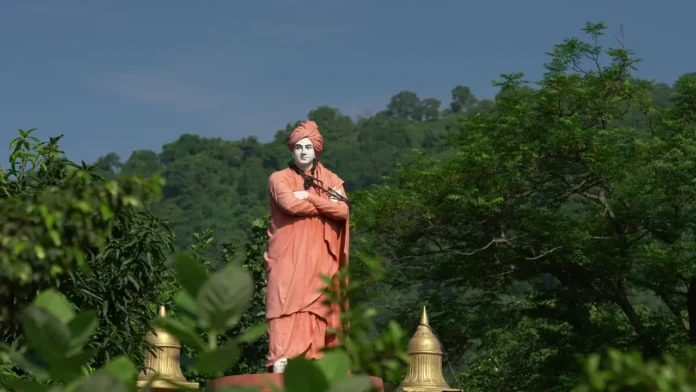
“Arise, awake, and stop not till the goal is reached” is one of the most repeated lines in Indian public life. Yet, it is also one of the most misunderstood. For today’s youth, this message is not about loud motivation or emotional speeches. It is about building discipline, finding direction, and committing to daily effort. Swami Vivekananda believed that youthful energy could transform a nation, but only when guided by courage, clarity, and character.
National Youth Day on 12 January is not meant for ceremonies alone. It is a reminder of responsibility. Vivekananda saw youth as the engine of national renewal. This day asks young people to reflect, reset priorities, and act with purpose rather than wait for change.
What Vivekananda Meant by “Arise”
To arise does not mean to rebel or rush blindly. It means waking up from mental laziness. Today’s youth are more informed than any previous generation. However, information without action creates stagnation. Vivekananda warned against weakness of will. He believed that the real fall of a person begins in the mind. Therefore, to arise first means to stand up mentally. Only a strong inner posture allows a person to face the outer world with confidence.
Why “Awake” Matters More Than Ever
Awakening is awareness. It is the ability to understand who you are, what you want, and what distracts you. In the digital age, distraction is constant. Notifications replace reflection. Comparison replaces self-belief. Vivekananda stressed self-awareness because without it, talent gets misused. When youth are awake, they choose purpose over pressure. They stop living on autopilot and start living consciously.
“Stop Not” in a Fast-Failure Culture
Modern culture celebrates quick results. Success stories are edited to hide years of struggle. Vivekananda rejected this mindset. He taught patience rooted in effort. According to him, character is not built on good days. It is built when motivation disappears and discipline takes over. To “stop not” means continuing even when results are slow, support is missing, and self-doubt appears. This is where real strength is formed.
The Practical Meaning for Today’s Youth
Vivekananda’s message was never theoretical. It was deeply practical.
Wake up early to take control of your time.
Train your body to support a strong mind.
Sharpen your intellect through focused learning.
Serve someone daily to remain grounded and humane.
These simple actions, repeated every day, define the true meaning of “Arise, Awake.”
Why This Message Feels Urgent Today
Youth today face confusion, anxiety, and identity pressure. Many feel busy but unfulfilled. Vivekananda’s message cuts through this noise. It does not promise shortcuts. Instead, it offers a method. Build strength. Stay aware. Keep moving forward. This approach is timeless because human struggles remain the same, even when tools change.
“Arise, Awake” is not an old slogan. It is a survival guide for a distracted generation. It asks youth to take responsibility for their inner world before trying to change the outer one. The message is demanding, but it is honest. That is why it still speaks powerfully today.

