


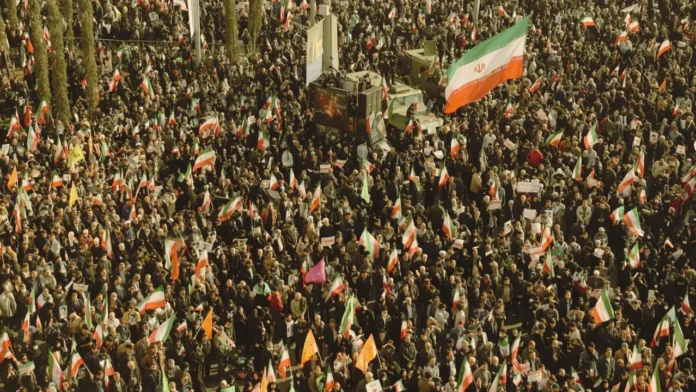
Iran is facing one of its most serious waves of unrest in years. Protests have spread across cities. Security forces have responded with force. At the same time, global leaders, technology firms and exiled figures have stepped into the picture. To understand the moment, it helps to look at the key developments shaping the crisis.
Trump’s message and its impact
US President Donald Trump publicly urged Iranians to continue protesting and claimed that “help is on its way.” He also warned Iran’s leadership against executing protesters. According to him, such actions would trigger a very strong response from the United States. His words sent a clear signal of pressure and raised expectations among protesters, even as the nature of any support remained unclear.
The scale of the crackdown
Reports from activists and rights groups suggest a brutal response on the ground. They speak of mass arrests, live ammunition and thousands of deaths. Exact numbers remain hard to confirm because authorities restricted access to information and journalists. Even so, the accounts paint a grim picture of how far the state has gone to crush dissent.
The case that alarmed the world
One name has drawn particular attention: Erfan Soltani, a 26-year-old arrested during protests near Tehran. Rights groups say authorities plan to execute him without a proper trial. Prosecutors have reportedly used charges linked to “waging war against God,” a crime that carries the death penalty. If carried out, this execution would mark a dangerous escalation and could set a precedent for dealing with protesters.
Internet shutdowns and the Starlink factor
As protests intensified, Iran imposed sweeping internet blackouts. These shutdowns disrupted communication, slowed reporting and isolated families searching for loved ones. In response, **Elon Musk’s SpaceX reportedly enabled Starlink satellite access by waiving subscription fees for Iran. For people with the necessary equipment, the service offered a rare digital lifeline. Still, access remains limited and uneven across the country.
While public statements dominated headlines, private talks also took place. A senior US envoy reportedly met exiled Iranian crown prince Reza Pahlavi to discuss the protests. Pahlavi has emerged as a symbolic figure for some demonstrators and has urged faster international action against Iran’s clerical leadership. These contacts suggest that governments are exploring options beyond public pressure.
Tehran’s response to the unrest
Iranian authorities insist they have regained control. They blame violence on terrorists and foreign interference. The leadership organised large pro-government rallies and funerals for fallen security personnel. Supreme Leader Ayatollah Ali Khamenei described the unrest as a warning to the United States and its allies. At the same time, selective phone access returned in some areas, though full connectivity remains restricted.
International reactions and expert caution
Reactions abroad have ranged from outrage to restraint. Some leaders argue that a system relying on violence cannot survive long. Others urge caution, pointing out that Iran still controls powerful institutions, including the Revolutionary Guard. Analysts stress that while the protests are serious and widespread, predicting the fall of the regime remains risky.
What happens next
Several developments will shape the coming days. First, whether authorities proceed with executions tied to the protests. Second, whether clearer data emerges on casualties. Third, how effective satellite internet access proves over time. Finally, whether international pressure turns into concrete action or remains largely rhetorical. Each step could change the direction of the crisis.
Beyond statements and strategy, ordinary Iranians carry the heaviest burden. Families search for missing relatives. Friends share fragments of news through broken connections. Fear and hope exist side by side. This human cost gives the protests their urgency and explains why the world is watching so closely.
Conclusion
Iran’s protests are no longer just a domestic issue. Trump’s warnings, reports of an imminent execution, digital shutdowns and quiet diplomacy have turned them into a global concern. The situation remains fluid. What happens next will depend on choices made in Tehran, reactions abroad and the resilience of people demanding change.

