


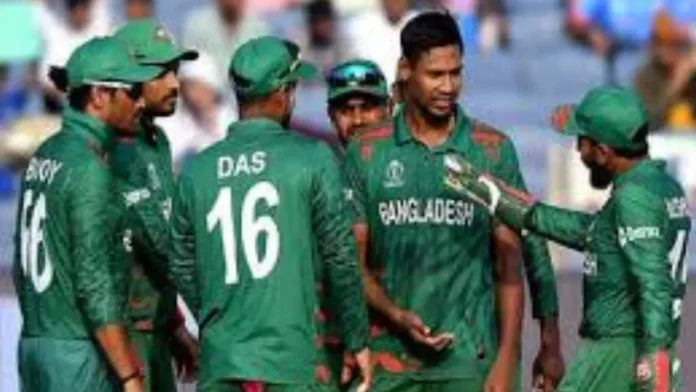
Bangladesh cricket has entered a turbulent phase. Sharp comments from a senior board official triggered anger across the dressing room. Players responded with strong words and boycott threats. At the same time, uncertainty deepened over Bangladesh’s participation in the ICC Men’s T20 World Cup in India. The crisis has exposed deep cracks in trust between players and administrators.
What triggered the storm
The situation escalated after a Bangladesh Cricket Board director publicly questioned the commitment of national players. He suggested that some cricketers had not justified the support invested in them. Many within the cricketing community viewed the remarks as insulting and dismissive. Matters worsened when the same official targeted former captain Tamim Iqbal, accusing him of acting under external influence for urging calm and reason in the World Cup debate.
The comments sparked immediate backlash. Former players spoke out. Fans flooded social media with criticism. Player bodies demanded accountability.
How events unfolded
First came the controversial remarks. Then came public outrage. Soon after, reports emerged that senior players had warned the board of a possible boycott of upcoming Bangladesh Premier League matches. The message was clear. Players wanted the board to take responsibility and protect their dignity.
With pressure mounting, the BCB issued a statement distancing itself from the director’s comments. The board clarified that such remarks did not reflect its official position and stressed that only authorised communications represent the BCB’s stance.
What the players are saying
Players have not hidden their frustration. They believe public criticism from administrators damages morale and undermines performance. Several players reportedly demanded strong action, including disciplinary steps, to ensure no official repeats such conduct. The boycott threat highlighted how deeply the remarks had hurt the dressing room.
The BCB’s position
The board expressed regret over any comments that may have caused offence. It reaffirmed that players remain central to Bangladesh cricket and said it would act against anyone whose behaviour harms the game’s integrity. However, many feel the response may not be enough to fully rebuild trust.
The bigger issue: T20 World Cup deadlock
This internal crisis comes at a sensitive time. Bangladesh’s participation in the T20 World Cup in India remains uncertain. The BCB has raised security concerns about travelling to India, citing recent developments involving Bangladeshi players in the IPL and strained bilateral relations.
The ICC has so far shown reluctance to move Bangladesh’s matches away from India. Meanwhile, the BCB has maintained a firm stance, leaving players stuck in the middle of a political and administrative standoff.
Voices from within cricket
Former captain Mohammad Ashraful urged administrators to resolve issues behind closed doors. He warned that public attacks on players weaken team unity and damage the image of Bangladesh cricket. The Cricketers’ Welfare Association echoed similar concerns, calling the remarks unacceptable and harmful.
Adding to the tension, a senior board official later stated that the BCB would not suffer financially if Bangladesh skipped the World Cup. He said players, not the board, would lose match fees and bonuses. That comment further angered players and widened the divide.
Why this crisis matters
This is not just about one statement. It is about respect, trust, and leadership. Players form the backbone of any cricketing system. When they feel publicly undermined, performance and preparation suffer. With a global tournament approaching, instability at the top threatens to derail months of planning.
What lies ahead
The immediate priority is dialogue. Players want clarity and assurance. The board needs to show firm leadership and consistency. At the same time, decisions around the T20 World Cup cannot remain in limbo for long. Each delay adds pressure on players and support staff.
Bangladesh cricket stands at a crossroads. The path forward demands accountability, calm decision-making, and open communication. Until the board and players find common ground, the crisis will continue to overshadow the team’s future, both at home and on the world stage.

