


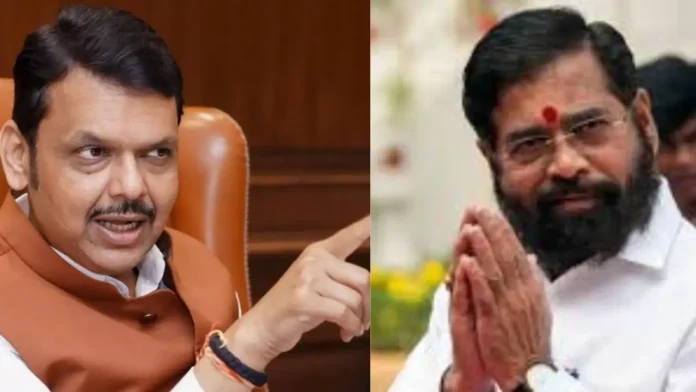
The Brihanmumbai Municipal Corporation elections have delivered a clear message but not a comfortable outcome. While the BJP-led alliance has crossed the majority mark, the numbers leave little room for error. As the mayoral election approaches, nervousness has set in across camps. With margins razor-thin, even a single defection could rewrite the political script of Mumbai.
Understanding the BMC Numbers
The Brihanmumbai Municipal Corporation has a strength of 227 corporators. To elect the mayor, any party or alliance must secure at least 114 seats.
The Bharatiya Janata Party emerged as the single-largest party with 89 seats. However, it fell well short of a majority on its own. Its ally, the Shiv Sena led by Eknath Shinde, won 29 seats.
Together, the alliance stands at 118 seats. That number is just four seats above the halfway mark. This narrow cushion explains the growing tension within the ruling bloc.
Why a Slim Majority Is Risky
In a house as politically charged as the BMC, loyalty often gets tested. With only four extra seats, the alliance cannot afford complacency. One or two corporators switching sides could derail the mayoral plan.
This fear has pushed leaders into damage-control mode. The focus has shifted from celebration to consolidation. Every corporator now matters, not just as a number but as a potential turning point.
Eknath Shinde’s Preventive Move
Sensing the risk, Eknath Shinde acted swiftly. The Shiv Sena shifted its newly elected corporators to a hotel in Bandra. The intent was simple. Prevent poaching. Avoid last-minute surprises.
Such moves are not new in Indian politics. However, their timing highlights the fragility of the current majority. Shinde’s decision signals that the battle is far from over, even after crossing the majority line.
How the Mayor Gets Elected
The mayor of Mumbai is not chosen directly by voters. Instead, corporators elect the mayor from among themselves. The process mirrors how MPs or MLAs choose the prime minister or chief minister.
This internal voting system makes numbers crucial. It also makes alliances vulnerable until the final vote takes place.
BJP’s Mixed Emotions After Results
Despite topping the chart, the BJP is far from satisfied. Before the elections, the party had ambitious plans. It wanted to contest over 155 seats and aimed to win around 120 to 125.
Seat-sharing talks changed that plan. Shinde negotiated aggressively and secured more seats for his faction. As a result, the BJP had to revise its expectations. Even then, it managed to win only 89 seats.
Party insiders admit disappointment. The BJP could not even retain the strength of its sitting corporators. Leaders have pointed to poor coordination, weak candidate selection, and the inability to counter the “Marathi asmita” narrative as key reasons.
The Uddhav Thackeray Factor
On the opposition side, Uddhav Thackeray has kept the suspense alive. Despite losing control of the civic body, he hinted that his party’s dream of a Mumbai mayor is not over. His cryptic remarks have fueled speculation.
Leaders from Shiv Sena (UBT) argue that the BJP’s success rests heavily on the split in the Sena. They believe a united Sena would have changed the outcome.
What the Numbers Say About a United Sena
The figures support this argument. The BJP won 89 seats. Uddhav Thackeray’s faction secured 65. Shinde’s faction got 29.
If the Shiv Sena had remained united, it would have held 94 seats. That number alone exceeds the BJP’s tally. With Congress support, such a bloc could have comfortably crossed the majority mark.
This arithmetic continues to haunt both the ruling alliance and the opposition.
Conclusion
The Mumbai mayoral race has become a test of numbers, nerves, and negotiation. The BJP–Shiv Sena alliance may have crossed the majority mark, but the margin offers little comfort. Eknath Shinde’s move to guard corporators reflects the high stakes involved.
As the mayoral vote nears, Mumbai’s civic politics remain on edge. Until the final vote is cast, uncertainty will rule the BMC corridors.

