


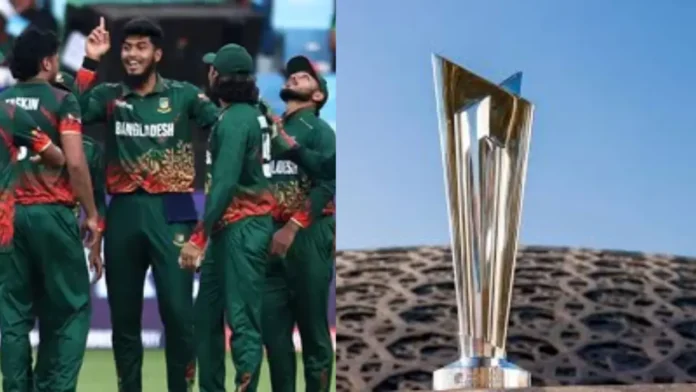
Bangladesh qualified for the 2026 T20 World Cup but then refused to travel to India to play their scheduled matches. This standoff mixes security fears, politics, and sport. The dispute risks their place in the tournament and may affect the schedule and other teams.
Bangladesh asked the ICC to move its matches out of India. The ICC rejected the request and gave Bangladesh a short deadline to confirm whether it would travel. Bangladesh then stated it would not play in India under the present conditions. Consequently, organizers could replace Bangladesh if the impasse stands.
Why does Bangladesh refuse to travel
First, officials and some players cited safety and security concerns.
Second, political tensions between the two countries fuelled mistrust.
Third, a recent controversy involving the treatment of a Bangladeshi player in a major league intensified public anger and anxiety.
In short, Bangladesh said it wanted to play the tournament, but not in India.
How the ICC responded
The ICC reviewed Bangladesh’s request and said it found no evidence of a credible threat at host venues. The council argued that moving venues at this stage would damage the tournament’s integrity and disrupt logistics. As a result, the ICC refused the venue change and set a deadline for Bangladesh to confirm travel plans.
Timeline of key events
Bangladesh qualified under normal rules. Soon after, the Bangladesh Cricket Board formally asked the ICC to relocate its fixtures. The ICC discussed the request and rejected it. The council then issued an ultimatum. Bangladesh’s sports authorities publicly declined to send the team to India. Organizers are now evaluating replacement options.
Possible replacement and tournament logistics
If Bangladesh stands firm, tournament organisers can replace them with the next eligible team. Scotland has emerged as the most likely substitute. Any replacement would require quick adjustments to the schedule, venues, and group compositions. Broadcasters and commercial partners would also need rapid coordination.
Political and regional context
Sport rarely operates in isolation. Diplomatic strain and recent high-profile incidents created strong domestic pressure on Bangladeshi authorities to take a firm stand. Some regional voices have expressed sympathy with Bangladesh’s concerns. This support complicates attempts to resolve the issue purely through cricket administration.
Likely short-term impacts
First, Bangladesh could miss the tournament if no diplomatic breakthrough occurs.
Second, organisers face scheduling and broadcast challenges.
Third, players lose a vital global platform to test form and build careers.
Fourth, relations between cricket boards may strain further, affecting future bilateral series.
Watch for any direct intervention from the Bangladeshi government. Track official ICC announcements for confirmation or reversal. Observe whether organisers formally name a replacement team. Finally, look for quiet diplomatic efforts that could ease tensions before the final deadline.
This dispute affects players, staff, families, and millions of fans. Cricketers prepare for years for World Cup moments. Therefore, these decisions carry emotional weight beyond schedules and contracts. Any solution must balance safety, careers, and the spirit of the game.
Conclusion
Bangladesh will not play in India for the 2026 T20 World Cup because its board and government cite unresolved security and political concerns. The ICC refused to change venues and imposed a deadline. If Bangladesh maintains its position, organisers may replace the team and revise logistics. The situation remains fluid, and diplomacy could still change the outcome.

