


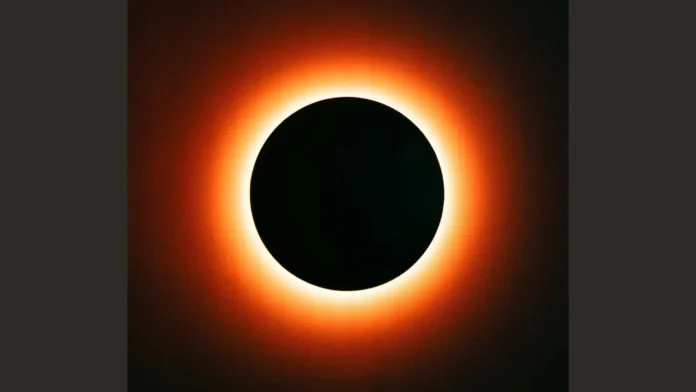
Surya Grahan, or a solar eclipse, occurs when the Moon moves between the Earth and the Sun. Light reduces, but harmful solar rays remain active. Therefore, safety rules matter. Over time, science and tradition both shaped the dos and don’ts. One protects the eyes and body. The other maintains mental and cultural discipline.
Scientific dos during Surya Grahan
Always use certified solar eclipse glasses to view the Sun.
Choose ISO-approved filters only.
Watch the eclipse through indirect methods like pinhole projection if glasses are unavailable.
Follow live broadcasts if the eclipse is not safely visible in your region.
Supervise children closely throughout the eclipse.
Cover camera lenses, binoculars, and telescopes with proper solar filters.
Wait until the eclipse ends fully before removing eye protection.
Scientific don’ts during Surya Grahan
Never look at the Sun directly with your naked eyes.
Do not use sunglasses, smoked glass, or CDs for viewing.
Do not rely on clouds to block harmful rays.
Avoid quick glances or curiosity peeks. Eye damage happens silently.
Do not believe viral hacks claiming safe viewing without filters.
Traditional dos are followed in many households
Wake up early and maintain personal cleanliness.
Engage in prayers, chanting, or meditation during the grahan period.
Maintain a calm and positive environment at home.
After the eclipse ends, bathe and change clothes.
Prepare fresh food after the grahan concludes.
Traditional don’ts are commonly observed
Avoid cooking during the eclipse window.
Do not eat cooked food prepared before the grahan.
Avoid sleeping during the eclipse time.
Refrain from starting auspicious activities such as weddings or housewarming.
Many families advise pregnant women to stay indoors as a precautionary belief.
Food rules: belief and practical reasoning
Scientifically, a solar eclipse does not spoil food. However, in ancient times, hygiene risks and lack of refrigeration encouraged caution. Traditionally, people discard pre-cooked food and prepare fresh meals later. Adding tulsi leaves to stored food reflects belief, not scientific necessity.
Pregnancy-related guidance
There is no medical evidence that Surya Grahan harms pregnancy. Still, traditional advice suggests rest and reduced outdoor activity. This guidance aims to reduce stress rather than signal danger. Medical advice should always take priority over fear-based beliefs.
Why is bathing advised after the eclipse
Bathing symbolises purification after a period considered inauspicious. Practically, it also helps reset routine and mental focus. The practice carries cultural meaning more than physical necessity.
Myths and facts you should know
A solar eclipse does not release negative energy.
The eclipse does not affect digestion or hormones.
Only eye exposure to the Sun causes real physical harm.
Following tradition is a personal choice, not a health requirement.
Common mistakes people still make
Using sunglasses instead of certified eclipse glasses.
Allowing children to watch unsupervised.
Sharing fear-based messages on social media.
Mixing lunar eclipse rules with solar eclipse safety.
How to balance science and belief
Respect traditions if they bring peace.
Do not replace medical or scientific advice with myths.
Educate children calmly instead of scaring them.
Treat the eclipse as a natural astronomical event.
Key takeaways
Eye safety comes first.
Direct Sun viewing is dangerous at all stages.
Traditions focus on discipline, not fear.
Planning and awareness prevent panic.
Knowledge makes the Surya Grahan meaningful, not stressful.
A Surya Grahan reminds us that the universe moves with precision, not mystery. When we stay informed and calm, the event becomes a moment of wonder rather than worry. Respect belief. Trust science. Protect your eyes.

