


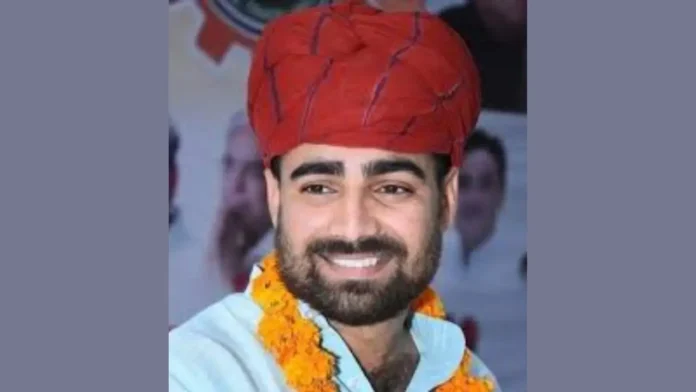
Vinod Jakhar represents a new generation of student leaders in India. He currently serves as the National President of the National Students’ Union of India, the student wing of the Indian National Congress. His rise from campus politics in Rajasthan to national leadership highlights both persistence and grassroots engagement.
Early Life and Education
Vinod Jakhar hails from Rajasthan. He entered public life during his university years. He studied political science and later pursued higher education in sociology. During this period, he actively participated in debates on campus governance, student rights, and academic reforms. Instead of staying confined to classrooms, he chose student representation as his primary platform.
Entry Into Student Politics
His political journey began at the Rajasthan University Students’ Union. He contested student elections and earned visibility through issue-based campaigns. He focused on hostel facilities, examination reforms, scholarship access, and campus safety. These local issues built his credibility. Consequently, he won leadership responsibilities within the university structure.
Climbing the Organisational Ladder
After gaining prominence at the university level, Jakhar joined the Rajasthan unit of NSUI. He later became the State President of NSUI Rajasthan. In this role, he expanded outreach beyond major cities. He organized youth dialogues, protest demonstrations, and membership drives. He strengthened district-level networks and emphasized direct engagement with students from rural backgrounds.
Appointment as National President of NSUI
Vinod Jakhar’s appointment as National President marked a decisive moment in his career. The position places him at the helm of one of India’s largest student political organizations. As national chief, he coordinates campaigns across states, shapes youth narratives, and represents student concerns at the party level. This role demands strategic planning, organizational discipline, and political negotiation skills.
Ideological Positioning
Jakhar aligns himself with constitutional values, social justice, and inclusive education. He frequently speaks about unemployment, rising education costs, and student representation in policymaking. His messaging often connects campus-level problems with national governance questions. Therefore, he attempts to bridge grassroots student activism with broader political discourse.
Leadership Style
Observers describe his approach as assertive yet accessible. He relies heavily on direct communication, both offline and through social media. On platforms like X (formerly Twitter), he comments on education reforms, democratic rights, and youth employment. Digital engagement allows him to amplify student issues quickly and mobilize supporters in real time.
Challenges Ahead
However, leading a national student body comes with structural challenges. India’s student politics remains highly competitive and ideologically polarized. NSUI faces organizational competition from rival student groups aligned with other national parties. Jakhar must therefore expand membership while maintaining internal discipline. He also needs to ensure that activism does not overshadow policy-oriented engagement.
Broader Significance
Vinod Jakhar’s journey reflects a broader trend in Indian politics. Many national leaders began their careers in student movements. Student unions often serve as training grounds for future legislators and policymakers. In this context, Jakhar’s leadership could shape not only campus debates but also long-term youth participation in mainstream politics.
What Defines His Political Trajectory
Three factors stand out. First, he built his base through campus-level activism. Second, he moved steadily through the ranks of the organization rather than relying on sudden elevation. Third, he positions youth concerns at the center of national conversation. These elements together explain his growing prominence.
Conclusion
Vinod Jakhar represents a generation that sees student politics as a serious pathway to national leadership. His rise from Rajasthan University to national presidency shows calculated growth, consistent engagement, and ideological clarity. As he navigates competitive political terrain, his ability to convert student energy into structured policy dialogue will define his long-term impact.

