


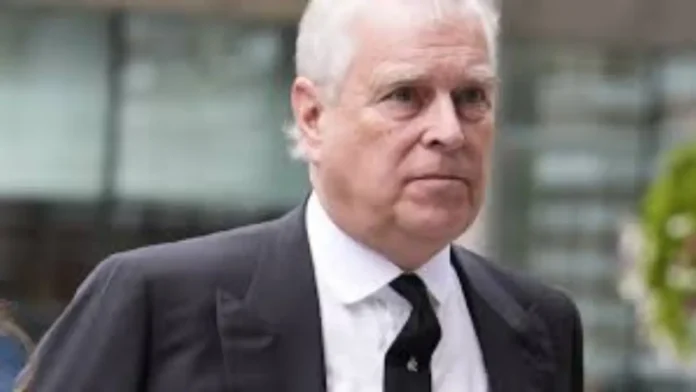
The arrest of Andrew Mountbatten-Windsor has triggered renewed calls for accountability in both the United Kingdom and the United States. The development has intensified scrutiny around his past association with financier Jeffrey Epstein and revived demands for broader justice in cases connected to Epstein’s network.
Who Is Andrew Mountbatten-Windsor?
Andrew Mountbatten-Windsor, formerly known as Prince Andrew, is the younger brother of Charles III. He previously served in the Royal Navy and later worked as a UK trade envoy. However, his public role diminished significantly after controversies linked to his association with Epstein. Over time, he stepped back from official royal duties and lost several honorary titles.
What Led to the Arrest?
Authorities in the United Kingdom detained Andrew on suspicion of misconduct in public office. The investigation reportedly followed renewed scrutiny after the release of additional documents connected to Epstein’s activities. These materials allegedly raised questions about Andrew’s past communications and conduct during his time in public service. After questioning, officials released him under investigation, meaning inquiries are ongoing and no formal charges have been filed.
Why the US Reaction Is Strong
The arrest has resonated strongly in the United States for several reasons. First, many Epstein survivors and advocacy groups continue to seek accountability from individuals linked to his network. They view Andrew’s detention as a possible turning point. Second, lawmakers and legal observers in the US argue that accountability should not stop at national borders. Because Epstein’s activities spanned multiple jurisdictions, they believe international cooperation is essential.
Consequently, some US voices are urging federal authorities to examine whether American legal provisions apply. They want transparency and, if warranted, testimony or further legal action.
The Legal Dimension
In the UK, the matter currently centers on potential misconduct in public office. Investigators must determine whether any official position was misused. Meanwhile, US authorities face a different legal framework. Any potential action there would depend on jurisdiction, evidence, and applicable federal laws. At this stage, no American charges have been announced.
Public and Political Response
Public reaction has been polarized. Some commentators argue that the arrest signals that even high-profile figures are subject to legal scrutiny. Others caution against concluding before formal findings emerge. Advocacy groups, however, stress that victims’ voices must remain central to any legal process.
Political leaders in both countries have emphasized that due process must guide proceedings. At the same time, they acknowledge the seriousness of the allegations and the broader impact on institutional credibility.
Broader Implications
This development carries symbolic weight. The arrest of a senior royal figure marks a rare and unprecedented moment in modern British history. It also reinforces ongoing debates about transparency, privilege, and the reach of the law.
Moreover, the case highlights the continuing global ripple effects of the Epstein scandal. Years after his death, investigations and document releases continue to reshape legal and political conversations.
What Happens Next?
Investigations in the UK remain active. Authorities will review evidence and determine whether charges are appropriate. In parallel, US legal and political pressure may continue, particularly if new information surfaces.
For now, the case stands at a sensitive stage. It combines legal complexity, international implications, and intense public attention. As events unfold, both nations will watch closely to see whether the calls for justice translate into concrete legal outcomes.

