


Inflammation is not always harmful. In fact, it helps the body heal. The problem begins when inflammation stays active for too long. This low-grade, chronic inflammation slowly damages tissues and organs. Over time, it increases the risk of heart disease, diabetes, arthritis, digestive disorders, and fatigue. The anti-inflammatory diet addresses this root issue. It focuses on foods that cool the body’s inflammatory response and support natural healing.
Understanding Chronic Inflammation
Acute inflammation is short-term. It appears after injury or infection and fades once healing begins. Chronic inflammation works differently. It stays active even when there is no clear threat. Poor diet, stress, lack of sleep, and inactivity often trigger it. Over time, this constant internal stress disrupts metabolism, weakens immunity, and accelerates ageing.
What Is an Anti-Inflammatory Diet?
An anti-inflammatory diet is not a rigid food plan. It is a way of eating built around whole, minimally processed foods. It prioritises nutrients that lower inflammatory signals in the body. At the same time, it reduces foods that spike blood sugar and disturb gut health. The strength of this diet lies in consistency, not restriction.
Certain foods actively calm inflammation because of their natural compounds.
Fruits and Vegetables
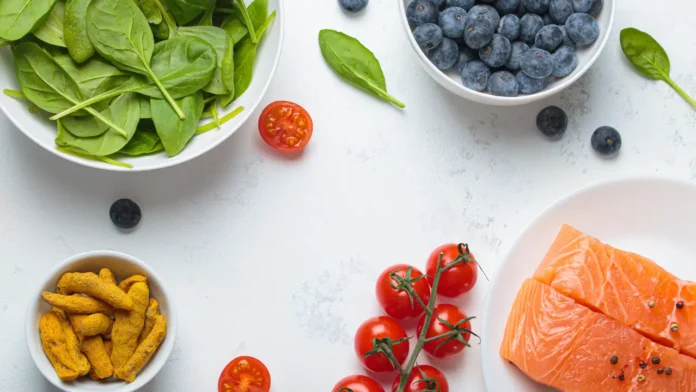
Colourful fruits and vegetables are rich in antioxidants. These protect cells from damage. Leafy greens support detox pathways. Berries help reduce oxidative stress. Cruciferous vegetables support hormone balance and immunity.
Healthy Fats
Inflammation worsens with poor fat choices. Replacing refined oils with healthy fats makes a big difference. Extra virgin olive oil supports heart health. Nuts and seeds provide essential fatty acids that stabilise inflammatory responses.
Fatty Fish and Omega-3
Omega-3 fats play a direct role in switching off inflammation. Fatty fish such as salmon, sardines, and mackerel help reduce joint stiffness and support brain health. For vegetarians, flaxseeds and chia seeds offer plant-based support.
Whole Grains and Legumes
Whole grains digest slowly. They prevent blood sugar spikes that trigger inflammation. Millets, oats, brown rice, lentils, and beans also nourish gut bacteria. A healthy gut helps control immune reactions.
Herbs and Spices
Traditional spices carry powerful benefits. Turmeric supports joint and metabolic health. Ginger improves digestion and reduces muscle soreness. Garlic strengthens immunity. Cinnamon helps regulate blood sugar.
Foods That Increase Inflammation
Reducing inflammatory foods is just as important as adding healthy ones. Refined sugar fuels inflammatory pathways. White flour products lack fibre and spike insulin. Fried and ultra-processed foods disrupt gut balance. Sugary drinks overload the liver. Processed meats and excess alcohol further worsen inflammation. Cutting these foods gradually brings noticeable improvement.
How the Diet Supports Overall Health
An anti-inflammatory diet works across systems. It reduces joint pain and morning stiffness. It supports heart health by improving cholesterol balance. It stabilises blood sugar and energy levels. It improves digestion and bowel regularity. Many people also notice better sleep, clearer skin, and improved focus.
Daily Meal Structure That Works
Breakfast should provide fibre and protein. Oats or millets with nuts and fruit work well.
Lunch can include whole grains, dal or beans, vegetables, salad, and curd.
Snacks should stay simple. Fruit, nuts, or roasted chana are enough.
Dinner should feel light but nourishing. Roti with sabzi, paneer or fish, and yogurt is ideal.
Cooking methods matter. Steaming, sautéing, and grilling preserve nutrients better than frying.
Key Habits That Make the Diet Sustainable
Eat mindfully and avoid rushing meals. Drink enough water throughout the day. Cook at home as often as possible. Focus on progress, not perfection. Even small changes, done daily, create lasting results.
Who Should Be Careful
People with medical conditions, those on long-term medication, or those considering supplements should consult a healthcare professional. Diet supports healing, but personalised guidance matters.
Final Thoughts
The anti-inflammatory diet is not about strict rules. It is about listening to the body and choosing foods that help it recover. When followed consistently, this way of eating reduces silent inflammation and supports long-term wellbeing. Start small. Stay patient. Let food work as medicine.

