


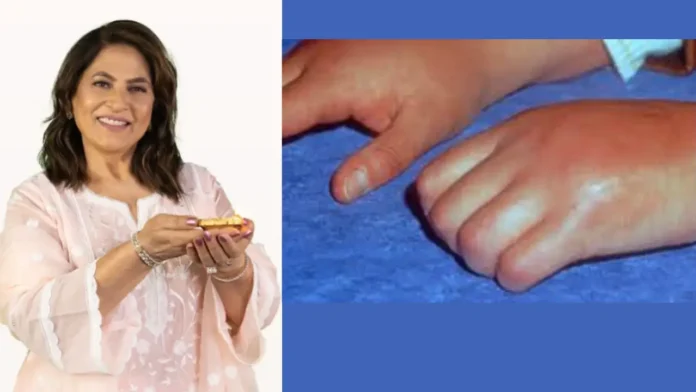
Veteran actor Archana Puran Singh is battling a rare chronic pain condition known as Complex Regional Pain Syndrome (CRPS), which developed after she suffered a wrist fracture. The condition has caused persistent and intense pain, far beyond what is normally expected from such an injury. Doctors say CRPS affects the nervous system and can alter movement, skin texture, and temperature in the affected limb. Treatment focuses on pain control, rehabilitation, and long-term care to preserve function and quality of life.
CRPS usually begins after an injury or fracture. Pain intensifies instead of fading and spreads beyond the original injury site. Patients often experience swelling, skin colour changes, temperature imbalance, and restricted movement. Early diagnosis improves recovery chances, while long-term management relies on medication, physiotherapy, and lifestyle adjustments.
CRPS follows an injury. Pain becomes severe and out of proportion to the original damage. The affected limb shows changes in skin, temperature, and movement. Early treatment improves the odds of recovery. Long-term care combines medicines, therapy, and lifestyle changes.
How CRPS started for Archana (typical trigger)
A fracture or surgical trauma often triggers CRPS. In Archana’s case, a fall on set broke her wrist. Her wrist did not return to normal healing. Instead, nerve signaling changed, and pain amplified. The immune and vascular responses joined the pain cycle. Over the weeks the hand showed persistent pain and functional loss.
What CRPS feels like — clear symptom list
Pain: burning, stabbing, or electric; it stays even at rest and worsens with light touch. Sensory changes: extreme sensitivity to touch and temperature. Swelling and skin changes: redness, blotchiness, or a pale, bluish tone; skin may feel warmer or colder than the other side. Motor issues: stiffness, weakness, tremor, and reduced range of motion. Trophic changes: hair growth alters, nails become brittle, and skin texture shifts. Sleep, mood, and daily tasks suffer because pain stays constant.
Why the body reacts this way — simple physiology
After an injury, nerves normally calm as tissues heal. In CRPS the nervous system keeps overreacting. The peripheral nerves and central pain networks sensitize. Blood flow and inflammation also change locally. These combined changes create persistent pain, altered sensation, and tissue changes. Stress and emotional strain can amplify symptoms by altering pain processing in the brain.
How doctors diagnose CRPS
No single test confirms CRPS. Clinicians use a diagnosis checklist that captures pain intensity and accompanying signs. They take a detailed history and examine the limb for sensory, autonomic, and motor changes. Doctors may order imaging (X-ray, bone scan, MRI) or nerve studies to rule out other causes and to support the diagnosis. Early clinical recognition matters most.
Core treatment principles
Treat early. Treat multi-dimensionally. The main pillars are pain control, physical rehabilitation, psychological support, and targeted interventional procedures when needed. Medications reduce nerve pain and inflammation. Physiotherapy maintains movement and prevents joint contractures. Cognitive and behavioral therapies help patients manage chronic pain and stress. Interventional options include nerve blocks, sympathetic blocks, and neuromodulation (spinal cord stimulation) for refractory cases.
Common medicines and their role
Analgesics and NSAIDs ease background pain. Neuropathic agents (gabapentin, pregabalin, certain antidepressants) reduce nerve pain and improve sleep. Short courses of oral steroids can help in early inflammatory phases. Topical agents (lidocaine, capsaicin) provide localized relief. Opioids rarely form the core of long-term CRPS care because benefits are limited and risks rise.
Rehabilitation and functional recovery
Physiotherapy focuses on graded movement, desensitization techniques, and strength building. Occupational therapy teaches adaptive strategies for daily tasks and protects joint function. Mirror therapy and graded motor imagery can retrain the brain and reduce pain for some patients. Consistent, supervised activity beats rest. Even small daily gains add up over months.
Interventional and advanced options
When conservative care fails, specialists consider nerve or sympathetic blocks to interrupt pain signaling. If pain remains severe, neuromodulation—such as spinal cord stimulation—can provide durable relief for selected patients. Intravenous ketamine infusions sometimes help refractory cases by resetting pain pathways. Each option carries risks and requires careful specialist input.
Psychological and social support
CRPS often causes anxiety, depression, and social withdrawal. Psychological therapy reduces catastrophizing and improves coping. Family support and clear communication about treatment goals matter. Practical help with daily tasks preserves independence and motivation during long recoveries.
Prognosis and realistic expectations
Early aggressive treatment improves recovery chances. Some patients regain near-normal function. Others retain persistent symptoms and need long-term management. In many cases, the condition stabilizes with reduced flare frequency. Full reversal remains unpredictable, but quality of life can improve substantially with coordinated care.
Practical day-to-day measures
Use gentle, regular movement of the limb. Protect the skin from temperature extremes. Use pain pacing: alternate activity with rest. Keep a pain and activity diary to spot triggers. Sleep, nutrition, and stress management influence pain perception. Seek help early for mood changes or sleep problems.
What Archana’s care likely includes
Her care likely combines targeted pain medicines, a structured physiotherapy program, psychological support, and specialist pain interventions if needed. Her clinicians will focus on preserving hand function and reducing pain flares. Given reports that her hand may not fully return to its prior state, rehabilitation will aim to maximize function and comfort.
Questions to ask the care team
Ask which therapies offer the best chance for functional return. Clarify realistic timelines and milestones. Discuss the side effects of medicines and interventions. Plan for vocational adjustments if needed. Request periodic functional assessments to measure progress.
CRPS feels unfair because a minor injury can change life in big ways. Yet many patients reclaim meaningful function with time, treatment, and caring support. Respect the pain. Set steady goals. Celebrate small wins. For public figures like Archana, openness about the condition helps others seek early care and removes stigma.

 after a wrist fracture. Learn how CRPS causes, signs, diagnosis, treatment options, rehabilitation, and realistic expectations for recovery in short, actionable sections.)