


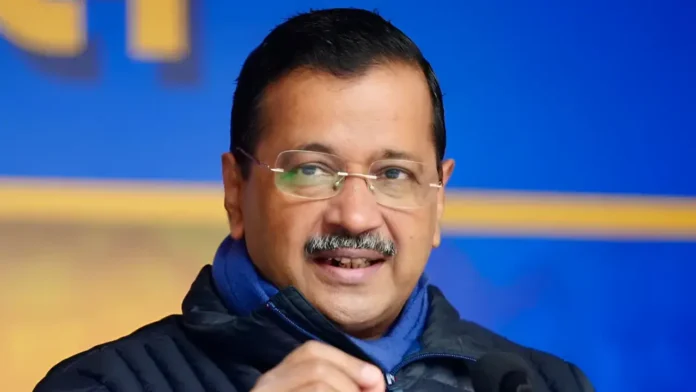
In a major development in Indian politics, a Delhi court discharged former Delhi Chief Minister Arvind Kejriwal, former Deputy Chief Minister Manish Sisodia, and several others in the alleged Delhi Liquor Policy case. The court held that there was no sufficient evidence to frame charges and concluded that the investigation failed to establish any criminal offence or conspiracy.
The verdict has significant implications not only for the leaders involved but also for the political narrative around corruption allegations and investigative agencies in India.
This article provides a deep and structured analysis of the Delhi Liquor Policy case, the investigation, the court’s findings, and the political consequences.
Background: The Delhi Liquor Policy 2021–22
The case relates to the Delhi Excise Policy 2021–22, introduced by the Delhi government to reform the liquor distribution system.
Objectives of the Policy
The policy aimed to:
- Modernize liquor retailing in Delhi
- Eliminate government-run liquor shops
- Increase revenue
- Improve customer experience
- Reduce black marketing
Key Changes Introduced
The policy introduced major structural reforms:
- Privatization of liquor retail sales
- Zonal licensing system
- Reduced licence fees
- Fixed profit margins for wholesalers
- Encouragement of competition among vendors
However, soon after implementation, allegations of corruption and favouritism emerged.
Allegations in the Liquor Policy Case
Investigative agencies alleged that the policy was designed to benefit certain private liquor businesses.
Main Allegations
Authorities claimed:
- Select companies were favoured in licence allocation
- Profit margins were manipulated
- Licence fees were reduced unfairly
- Kickbacks were paid to government officials
- The government suffered financial losses
The policy was later withdrawn amid growing controversy.
Investigation and Arrests
The investigation was conducted primarily by the Central Bureau of Investigation (CBI).
Major Developments
- Multiple FIRs were registered
- Several businesspeople were questioned
- Government officials were investigated
- Senior AAP leaders were arrested
The case became historically significant because:
- A sitting Chief Minister was arrested
- Senior ministers were jailed for long periods
- The case became a national political issue
Both Kejriwal and Sisodia were arrested during the investigation and later granted bail by the Supreme Court in 2024.
Court Verdict: No Evidence of Criminal Offence
The Special Court discharged all 23 accused persons in the case.
Key Findings of the Court
The court concluded:
- No prima facie case existed
- No criminal conspiracy was proven
- Evidence was insufficient
- Investigation relied on assumptions
- No criminal offence was disclosed
The court held that the prosecution failed to establish the essential elements of corruption or conspiracy.
Court Criticism of the Investigation
One of the most important aspects of the judgment was the criticism of the investigation.
Observations by the Court
The court observed that:
- The agency attempted to construct a narrative of conspiracy
- Evidence was based on conjectures
- Statements of approvers were heavily relied upon
- Investigation gaps were filled artificially
The court warned that using approver testimony without strong supporting evidence could violate constitutional principles.
This observation may have long-term implications for investigative practices in corruption cases.
Emotional Reaction of Arvind Kejriwal
After the verdict, Arvind Kejriwal became emotional while addressing reporters.
His Statements
He said:
- Truth has prevailed
- He had faith in the judiciary
- The case was politically motivated
- The charges were false
He also alleged that the case was part of a larger political conspiracy to weaken his party.
Family Reaction and Public Scenes
After returning home, Kejriwal was welcomed by his family.
Scenes at His Residence
- His wife greeted him with an emotional hug
- His children welcomed him
- Party workers gathered outside
- Celebrations were held
The emotional scenes highlighted the personal toll of the legal battle.
Political Allegations and Counterclaims
The verdict has intensified political debate.
AAP’s Position
AAP leaders claimed:
- The case was fabricated
- The arrests were politically motivated
- Investigative agencies were misused
- The party was targeted
Opposition Position
Opposition parties earlier argued:
- The policy caused financial losses
- Private firms were favoured
- Corruption took place
- Investigation was justified
The verdict does not end political debate, but it weakens the corruption narrative against AAP.
Significance of the Verdict
The decision has several long-term implications.
1. Impact on Investigative Agencies
The court’s criticism raises questions about:
- Quality of investigation
- Evidence standards
- Use of approvers
- Procedural fairness
2. Impact on Indian Politics
The case was one of the biggest corruption controversies in recent years.
The acquittal may:
- Strengthen AAP politically
- Improve Kejriwal’s public image
- Influence future elections
- Reshape political narratives
3. Legal Significance
The judgment reinforces key legal principles:
- Presumption of innocence
- Evidence-based prosecution
- Fair investigation
- Due process
Timeline of Major Events
2021
- Delhi Excise Policy introduced
2022
- Allegations of irregularities surface
- Policy withdrawn
2023–2024
- Investigation intensifies
- Arrests of senior leaders
- Bail granted by the Supreme Court
2026
- The court discharges all the accused
- Case collapses at the charge-framing stage
Why the Case Became Historic
The case is historic for several reasons:
- First arrest of a sitting Chief Minister in such a case
- Long investigation period
- National political controversy
- High media attention
- Court’s criticism of the investigation
Few corruption cases in India have generated such widespread debate.
Lessons From the Case
For Governments
- Policy transparency is essential
- Regulatory decisions must be well documented
- Stakeholder consultation is important
For Investigative Agencies
- Evidence must be strong
- Investigations must be impartial
- Legal procedures must be followed carefully
For the Judiciary
The case shows the importance of judicial scrutiny in protecting constitutional rights.
Conclusion
The discharge of Arvind Kejriwal and others in the Delhi Liquor Policy case marks a major turning point in Indian politics and governance debates. The court’s finding that there was no sufficient evidence of criminal wrongdoing has altered the narrative surrounding one of the country’s most high-profile corruption investigations.
While the legal battle appears to have ended for now, the political consequences will continue to unfold. The verdict reinforces the importance of evidence-based investigations and judicial oversight in a democratic system.
The case will likely remain a landmark example in discussions about corruption allegations, political accountability, and the role of investigative agencies in India.

