


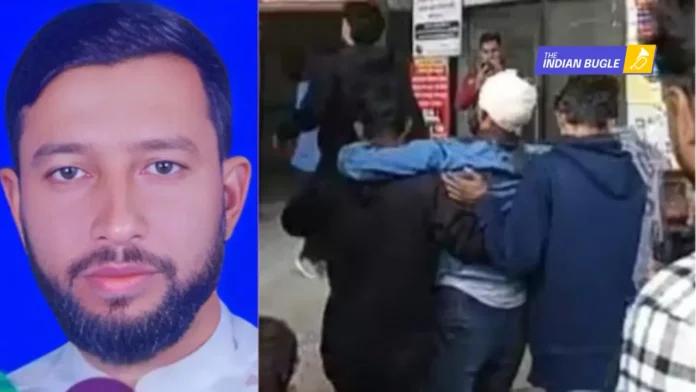
Bangladesh has witnessed a major escalation in political violence after hardliner student leader Muhammad Motaleb Sikder was shot dead by unknown gunmen during violent unrest in the southern city of Khulna. The killing has sent shockwaves across the country and sharply intensified concerns over law and order as Bangladesh moves closer to its national elections scheduled for early 2026.
Who Was Muhammad Motaleb Sikder
Muhammad Motaleb Sikder was a senior organiser associated with the student-led National Citizen Party and was known for his hardline political stance. He played a key role in mobilising youth and labour groups and had emerged as one of the most influential faces of the new student political movement in Bangladesh.
How The Shooting Took Place
The attack occurred in the Sonadanga area of Khulna amid heightened protests. Unidentified men opened fire on Sikder, shooting him in the head at close range. He was rushed to hospital in critical condition but later succumbed to his injuries. The daylight killing has raised serious questions about security failures during ongoing political unrest.
Link To Recent Killing Of Osman Bin Hadi
Sikder’s killing comes just days after another radical student leader, Sharif Osman Hadi, also known as Osman Bin Hadi, was shot dead by unknown assailants in Dhaka. Hadi’s murder had already triggered nationwide protests, and the killing of Sikder has further fueled anger, fear, and instability across the country.
Protests Turn Violent Across Cities
Following the back-to-back killings of Osman Bin Hadi and Motaleb Sikder, protests spread rapidly across Dhaka, Khulna, Chattogram, and other urban centres. Demonstrations demanding justice soon turned violent, with clashes between protesters and security forces, incidents of arson, vandalism, and road blockades reported from multiple locations.
Police Response And Investigation
Bangladesh police have launched investigations into both killings and stated that efforts are underway to identify and arrest those responsible. Security has been tightened around universities, political offices, and protest hotspots. However, the absence of immediate arrests has deepened public mistrust and criticism of the authorities.
Political Tensions Ahead Of 2026 Elections
The violence has erupted at a sensitive time as Bangladesh prepares for national elections in early 2026. Opposition parties and student organisations have accused the government of failing to protect dissenting voices, while authorities have blamed extremist and disruptive elements for escalating unrest. Political analysts warn that continued targeted killings could seriously undermine the electoral process.
Growing Concerns Over Safety Of Student Leaders
The consecutive murders of Sharif Osman Hadi and Muhammad Motaleb Sikder have heightened fears about the safety of student and youth leaders in Bangladesh. Activist groups say campuses and protest zones are increasingly becoming unsafe, turning political participation into a life-threatening risk.
What Lies Ahead
As investigations continue and protests show no sign of slowing down, Bangladesh stands at a critical crossroads. The killing of a prominent student leader is not an isolated act but a reflection of deepening political instability. How the government restores order and ensures accountability in the coming weeks will play a decisive role in shaping the country’s political future ahead of the elections.

