


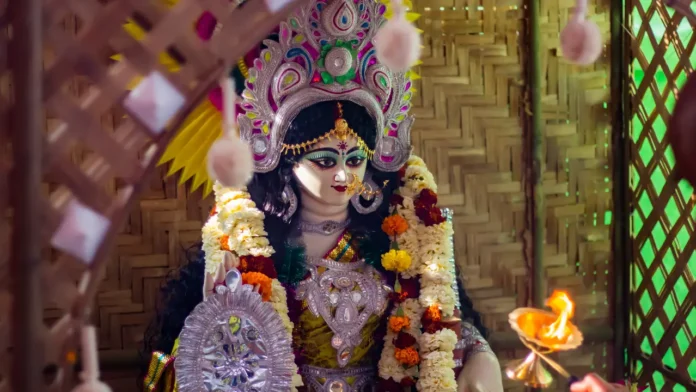
Basant Panchami marks the first flutter of spring in India. People celebrate learning, art, and new beginnings. The festival blends nature, devotion, and community. This article digs deeper than surface details. It explains origins, beliefs, rituals, and regional expressions. It also offers practical ways to observe the day with purpose.
Origins and historical roots
Scholars trace Basant Panchami to ancient agrarian cycles and religious calendars. The day falls on the fifth lunar day (Panchami) of the Magha month. Historically, people tied rituals to seasonal change and harvest hopes. Over centuries, the festival absorbed layers of Vedic, Puranic, and folk practices. Importantly, the link to Saraswati — goddess of knowledge and arts — grew stronger as communities prioritized learning and cultural life.
Mythology and religious significance
In Hindu tradition, Saraswati symbolizes speech, music, wisdom, and creative power. Devotees seek her blessings before starting artistic or academic endeavors. On Basant Panchami, families and institutions place books, pens, and instruments near her image. People believe a blessing on this day sets a favorable tone for study and expression for the year ahead. In short, the festival sanctifies learning and creative work.
Yellow dominates the day. The color signals ripening mustard fields and sunlight. It also represents energy, optimism, and intellect.
Secondly, the book and instrument offerings emphasize practice and discipline.
Thirdly, kite-flying and outdoor gatherings celebrate renewal and social joy. Together, these symbols bind nature, mind, and community.
Regional variations — how India celebrates differently
North India
Families and schools hold Saraswati Puja. Students touch books and write their first letters. Temples see steady footfall. People wear yellow and cook sweet, saffron-flavored dishes. The tone combines devotion with household ritual.
West Bengal and eastern India
Saraswati Puja becomes a public cultural event. Colleges and neighbourhoods set up elaborately decorated pandals. Young people perform music and drama. The festival acts as a cultural showcase and a rite of passage for students.
Punjab
Punjab stakes its claim with kites and open-air revelry. People gather in mustard fields if the crop blooms. Folk music and bhangra often accompany the day. The mood feels more agricultural and communal than ceremonial.
Rajasthan and western India
Rajasthan blends ritual with aesthetics. People dress vividly in yellow and saffron. Cultural programs and small local fairs accompany temple visits. In towns, artisans and music groups often take center stage.
Maharashtra and central India
Communities observe Saraswati Puja quietly, often in schools and homes. The festival stays focused on blessings for education and the arts rather than large public spectacles.
South India
Called Vasant Panchami in some areas, the day sees temple rituals and classical performances. Families seek blessings before starting learning in music or literature. The rituals emphasize discipline and artistic training.
Food, dress, and crafts
Traditional foods lean toward yellow or saffron-infused items: kesar halwa, sweet saffron rice, and besan-based sweets. People wear yellow sarees, kurtas, or turbans. Crafts include making paper or cloth kites, preparing floral garlands, and decorating study corners.
Education, arts, and social meaning
Basant Panchami serves as a cultural checkpoint. Schools conduct performances and art competitions. Music and dance academies schedule recitals. The festival validates practice and artistry. It also provides a communal moment to re-commit to disciplined learning.
Modern adaptations and civic concerns
Cities stage public events and campus festivals. Social media fills with yellow-themed posts and blessings. Meanwhile, cities must manage kite-related safety and litter. Municipal authorities and organizers increasingly run awareness drives about safe kite strings and clean-up. Celebrants should balance joy with responsibility.
Basant Panchami does not belong to any single region or caste; communities across India adapt it. The festival does not require elaborate spending. Simple acts of attention, like blessing a child’s notebook, hold deep cultural value. Finally, while yellow dominates, the day welcomes many colors and moods tied to local life.
Conclusion
Basant Panchami invites people to celebrate spring, curiosity, and craft. The festival knits together nature, study, and social life. You can honor it with devotion, creativity, and modesty. Above all, use the day to start something that matters: a song, a book, or a promise to learn. Small beginnings on Basant Panchami often become lasting habits.

