


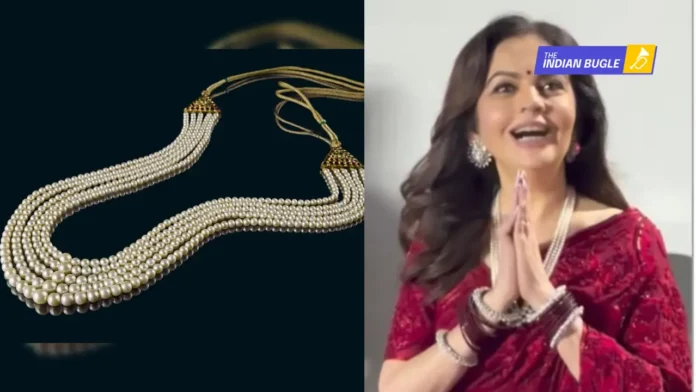
Basra pearls are among the rarest and most historically significant natural pearls in the world. Known for their soft glow and organic beauty, these pearls are completely natural, formed without human intervention. For centuries, they symbolised royalty, wealth and refined taste, especially across the Middle East and the Indian subcontinent.
What Are Basra Pearls?
Basra pearls are natural saltwater pearls that originated in the warm waters of the Arabian Gulf. They are named after the port city of Basra in present-day Iraq, which served as a major trading hub rather than the actual harvesting site. Most pearls were collected from waters near Bahrain, Qatar, Kuwait and the UAE and then traded globally through Basra.
Natural Formation Without Culturing
What sets Basra pearls apart is their natural formation. Unlike cultured pearls, no artificial nucleus is inserted into the oyster. The pearl forms naturally over several years when layers of nacre build up around an irritant inside the oyster. This slow and organic process makes each pearl unique in shape, texture and lustre.
Distinctive Physical Characteristics
Basra pearls are admired for their subtle sheen rather than sharp brilliance. Their lustre appears soft and deep, often described as glowing from within. Most Basra pearls are irregular in shape, known as baroque, though perfectly round ones exist and are extremely rare. Common colours include creamy white, ivory, silver, soft gold and faint pink overtones.
Historical and Cultural Importance
Basra pearls played a central role in ancient and medieval trade. They were prized by Persian royalty, Arab merchants and Indian kings. In India, they featured prominently in royal jewellery collections of the Mughals, Nizams of Hyderabad and several princely states. Pearls were also used to adorn ceremonial garments, crowns and even architectural elements, making them deeply embedded in cultural heritage.
Modern Revival Through Luxury and Celebrity Style
In recent years, Basra pearls have regained attention through high-profile appearances in elite social and cultural events. A notable example is Nita Ambani’s refined styling at a school function, where she opted for classic pearl jewellery to complement a traditional Indian ensemble. Her understated yet elegant use of pearls highlighted how Basra-inspired designs are no longer restricted to royal collections or red carpets but can also be worn at intimate, meaningful occasions. The look reinforced pearls as symbols of grace, legacy and quiet luxury rather than overt opulence.
Decline of Basra Pearl Diving
The natural pearl industry of the Gulf declined sharply in the early 20th century. The discovery of oil, environmental changes and the rise of cultured pearls from Japan led to the near disappearance of traditional pearl diving. As a result, genuine Basra pearls are no longer produced in meaningful quantities, increasing their rarity and historical value.
Market Value and Investment Appeal
Basra pearls are considered collector’s items rather than everyday jewellery. Their value depends on size, lustre, surface quality, shape, and documented origin. Because no new supply exists, prices have steadily increased, especially for pearls with verifiable provenance. High-quality Basra pearls are often sold through auction houses or specialised heritage jewellers.
How to Identify Authentic Basra Pearls
Authentic Basra pearls cannot be identified by appearance alone. Certification from a reputable gemological laboratory is essential. Tests usually focus on internal structure, nacre layering and absence of a cultured nucleus. Without certification, claims of “Basra pearls” should be treated with caution, as many sellers misuse the term for marketing purposes.
Basra Pearls vs Cultured Pearls
Unlike Akoya, South Sea, or freshwater pearls, Basra pearls are not farmed. Cultured pearls dominate today’s jewellery market due to affordability and consistency. Basra pearls, however, are valued for their natural origin, historical legacy and individuality. They are chosen more for heritage and long-term value than for fashion trends.
Why Basra Pearls Still Matter Today
Basra pearls represent a lost era of natural luxury and craftsmanship. In a world dominated by mass production, they stand as symbols of patience, rarity and authenticity. Their presence in modern styling, from formal events to personal celebrations, shows their enduring relevance.
Conclusion
Basra pearls are timeless treasures shaped by nature and history. Their rarity, natural formation and royal legacy make them one of the most coveted pearls in the world. As interest in heritage jewellery grows, Basra pearls continue to hold unmatched prestige, reminding us that true luxury is subtle, meaningful and lasting.

