


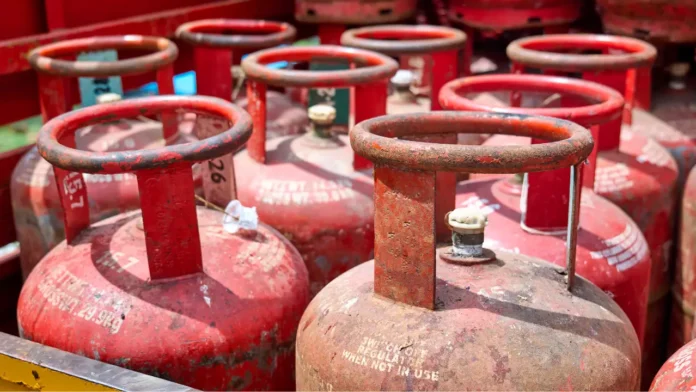
The hotel and restaurant industry in Bengaluru is facing a serious operational crisis due to a disruption in the supply of commercial LPG cylinders. The Bengaluru Hotels Association has warned that many eateries may be forced to shut down if the supply of cooking gas is not restored soon.
Restaurant owners say the sudden LPG shortage has created a difficult situation for thousands of hotels and small eateries across the city. Since most commercial kitchens depend entirely on LPG for cooking, the lack of supply has made it increasingly difficult for businesses to continue daily operations.
Sudden Disruption Leaves Hotels Struggling
According to representatives of the hotel association, the supply of commercial LPG cylinders stopped abruptly, leaving many establishments without adequate fuel to run their kitchens. Several restaurants have already started using their remaining gas reserves carefully, but these stocks may last only for a limited period.
Hotel operators say they were not expecting such a disruption. Many establishments had planned their operations assuming that regular LPG supply would continue. The sudden halt has therefore taken the entire hospitality sector by surprise.
The association has appealed to authorities and oil companies to intervene quickly and ensure that gas supply resumes without further delay.
Major Impact on Daily Life in the City
The possible shutdown of hotels and restaurants could affect a large number of people in Bengaluru. The city has a vibrant food culture and thousands of residents rely on eateries for their daily meals.
Students living in hostels, office workers, migrant employees, and hospital visitors often depend on affordable meals from local hotels and small restaurants. If these establishments close even temporarily, it may disrupt the daily routine of many people.
For many small hotel owners, even a short break in business can lead to financial losses. Restaurants operate on tight margins, and a sudden shutdown could affect both owners and employees who depend on daily income.
Global Energy Tensions Behind the Crisis
The LPG shortage is believed to be linked to broader global energy disruptions. Rising geopolitical tensions in West Asia have affected international oil and gas supply chains, creating instability in fuel availability.
India imports a significant portion of its LPG from overseas markets, particularly from Gulf countries. Any disturbance in these supply routes can quickly affect domestic distribution, including the supply of commercial LPG used by restaurants and other businesses.
As global energy markets remain uncertain, commercial sectors that rely heavily on fuel—such as the hospitality industry—are beginning to feel the pressure.
Possible Ripple Effect Across the Hospitality Sector
If the supply issue continues, the impact could extend beyond Bengaluru. Hospitality associations in other cities have also expressed concern about potential shortages of commercial LPG.
Restaurants, cafés, catering services, and food courts depend on a stable supply of cooking gas to operate. A prolonged disruption could affect not only businesses but also the broader urban food ecosystem.
Industry representatives warn that closures could also affect workers employed in the hospitality sector, including cooks, waiters, delivery staff, and support workers.
Industry Calls for Immediate Action
Hotel and restaurant owners are urging the government and oil companies to prioritise the restoration of commercial LPG supply. Industry leaders believe that the hospitality sector plays an important role in providing food services in major cities and should receive timely support during supply disruptions.
For now, many hotels in Bengaluru continue to operate using their remaining LPG stock. However, the situation remains uncertain. If supplies are not restored quickly, several establishments may have no option but to suspend operations temporarily.
The coming days will be crucial for the city’s hospitality industry as business owners wait for clarity on when the LPG supply will return to normal.

