


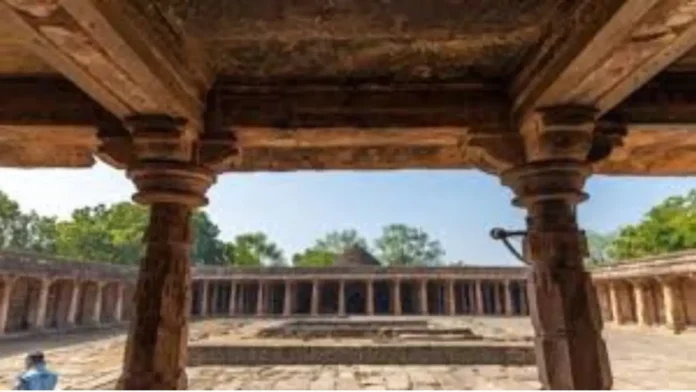
Bhojshala stands in Dhar, Madhya Pradesh, under the care of the Archaeological Survey of India. Locals know it by two names—Bhojshala and Kamal Maula. Over time, it has carried meaning for both Hindus and Muslims. When important rituals fall on the same day, emotions rise. This article explains why the dispute persists, what archaeology has recorded, and how the legal process now frames the way forward.
What the dispute is about
At its core, the conflict stems from overlapping claims on a single complex. Hindu groups say the site preserves remains of a Saraswati temple and a centre of learning associated with Raja Bhoja. Muslim groups view the structure as the Kamal Maula mosque, where congregational prayers have been offered for generations. These claims intersect on space, access and memory, which is why the issue resurfaces during sensitive dates.
Archaeology and what it documents
Court-directed surveys asked the ASI to record physical evidence without drawing conclusions on ownership. Investigators documented inscriptions, sculptural fragments and architectural elements embedded in the structure. Several features resemble temple-era construction and iconography. These records now form a technical base for arguments presented in court. Archaeology, however, records material history. It does not decide present-day religious rights on its own.
Evidence cited by claimants
Hindu petitioners highlight carved panels, broken idols, and inscriptional fragments that suggest an earlier temple phase. They argue these elements support a Saraswati shrine and a historic seat of learning. Others urge caution, noting that fragments can be relocated or reused over centuries. Context, continuity of worship, and legal standards matter as much as physical finds.
The legal pathway so far
Petitions moved through the Madhya Pradesh High Court and reached the Supreme Court for urgent consideration around festival arrangements. The immediate questions focus on access and scheduling when Basant Panchami coincides with Friday prayers. Broader questions relate to how archaeological records should be weighed alongside statutory protections, precedent and evidence of continuous worship. Courts have consistently emphasised public order while hearing these matters.
Case for Saraswati worship before the Supreme Court
Before the Supreme Court of India, petitioners have argued that worship of Goddess Saraswati at Bhojshala is not a new or symbolic demand but a continuation of an old tradition linked to the site’s identity as a centre of learning. They submit that Basant Panchami has a distinct spiritual significance at Bhojshala and that historical restrictions limited, rather than created, this practice. The plea stresses that allowing Saraswati puja for the full day does not seek permanent alteration of status but recognition of a specific religious right on an auspicious occasion. At the same time, the Court has weighed this claim against concerns of public order and the need to balance competing practices without triggering unrest.
Local authorities treat overlapping ritual dates as high-risk. They tighten security, regulate entry, restrict objects within the precinct, and deploy additional forces. Officials also engage community representatives to prevent escalation. The objective remains simple: allow permitted rituals while ensuring safety and calm.
What each side seeks in practical terms
Hindu petitioners seek uninterrupted rituals on Basant Panchami and, in some filings, recognition of the site’s earlier temple character. Muslim representatives insist on the continuation of Friday prayers and the protection of long-standing practice. Both sides frame their requests around dignity, continuity, and equal treatment.
Material evidence informs history, not contemporary entitlement. Courts must consider archaeology alongside law, precedent, administrative feasibility and the risk of unrest. This multi-factor test explains why outcomes often preserve interim arrangements rather than deliver sweeping declarations.
Social and political context
Bhojshala carries meaning beyond Dhar. Public debate intensifies during court hearings and festivals. Political commentary can amplify tensions, which places greater responsibility on institutions and community leaders to keep discourse measured and focused on lawful resolution.
What to watch next
Watch for judicial directions on festival-day arrangements, any clarifications tied to the ASI record, and how local administration implements access rules. These steps will indicate whether the dispute moves toward stability or returns as a recurring flashpoint.
Bhojshala is a layered history in stone and practice. Archaeology adds clarity to the past. Law shapes present access. Peace depends on how both are applied on the ground. As hearings continue, the challenge is to respect evidence and belief without letting either become a trigger for conflict.

