


CBSE has suspended the affiliation of G D Goenka High School, Sohna (Gurugram) for the 2026–27 academic year. The board cited serious breaches of affiliation norms related to campus sharing and student safety. This article explains what happened, why it matters, and what stakeholders should expect.
What triggered the suspension
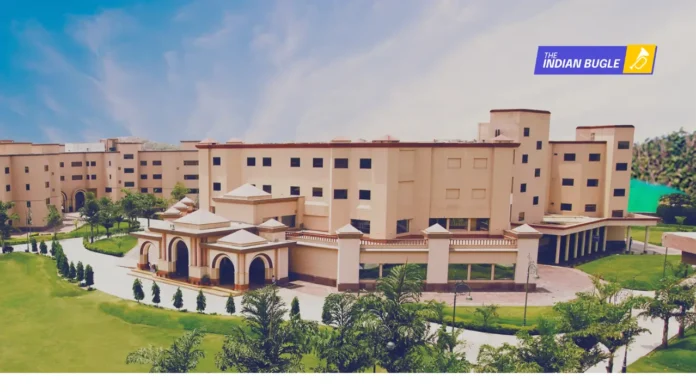
An inspection found that the school shared the same building and campus with other institutions, including programmes on different floors. Such co-location violated CBSE rules that require exclusive and secure school premises. Inspectors also flagged the absence of a permanent boundary wall and unclear, shared entry-exit points. These factors raised safety and supervision concerns for students.
Specific norm violations identified
First, the lack of exclusive use of the building and play areas.
Second, the absence of a pucca boundary wall separating the school from other occupants.
Third, multiple institutions operating from the same structure without clear demarcation.
Fourth, potential exposure of minors to adults and activities unrelated to the school.
Together, these issues formed the basis for suspension.
Immediate implications for the school
The affiliation pause covers one academic year unless the school rectifies deficiencies. Consequently, the school cannot enrol new CBSE-affiliated batches for that session under its current affiliation. Furthermore, the suspension signals stricter compliance scrutiny from the board and may affect the school’s reputation and admissions.
Impact on students and parents
Current students retain their academic records, but families face uncertainty about continuity and recognition of future admissions. Parents should request formal communication from the school about contingency plans. Meanwhile, families may consider transfer options to nearby CBSE schools if they seek immediate stability.
Compliance steps the school must take
The school must immediately separate its campus and secure exclusive use. It must construct a permanent boundary wall, provide distinct entry and exit points, and ensure exclusive access to playgrounds and facilities. In short, the school must meet all CBSE affiliation bye-laws and safety norms before the board considers reinstatement.
Wider regulatory and sectoral context
CBSE’s action underscores the board’s renewed focus on infrastructure and child safety. In recent years, regulators have tightened norms on campus security, teacher-student ratios, and school governance. Therefore, this suspension also serves as a warning to other private schools to align infrastructure and documentation with rules.
Precedents and enforcement message
Regulatory authorities have suspended or derecognised schools earlier for persistent non-compliance. Such measures aim to protect students and to keep academic standards uniform. This case reinforces that non-adherence to basic safety and exclusivity norms can trigger firm action, including temporary de-affiliation.
What parents, staff, and local authorities should do now
Parents should ask the school for a clear written plan and timeline for compliance. Staff should document official communications and seek clarity on employment terms if the suspension extends. Local education authorities should monitor compliance and assist families in transferring students smoothly when needed.
Longer-term consequences for the school group
If the school rectifies issues quickly and transparently, it can seek reinstatement after compliance verification. However, prolonged non-compliance will harm admissions, staff retention, and brand value. Therefore, swift corrective action and public communication are essential.
Conclusion
The CBSE suspension of G D Goenka High School in Gurugram reflects a strict stance on campus exclusivity and student safety. The board expects swift remediation: exclusive premises, a permanent boundary wall, and distinct access points. For parents and students, the priority is clarity and continuity. For the school, the priority is immediate, verifiable compliance to regain affiliation and trust.

