


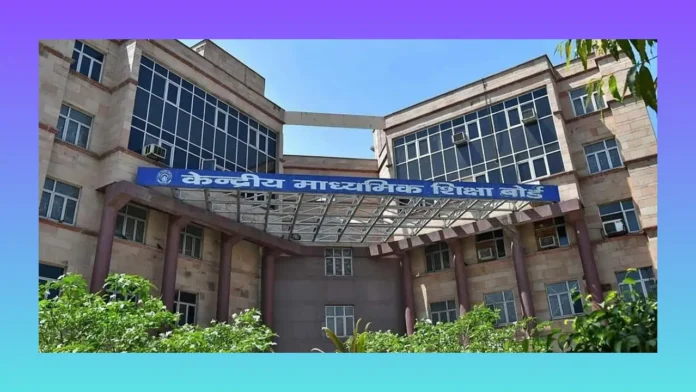
The CBSE has opened a national letter-writing competition for students aged nine to fifteen. It aligns with the Universal Postal Union’s annual youth contest and focuses on a timely theme: why human connection matters in a digital world. The competition funnels school winners through regional rounds to a national winner. That winner represents India at the international level and competes for medals and special prizes, including a possible trip to Switzerland.
First, the contest combines writing skill with civic reflection. Second, it rewards clear thinking and empathy, not just fancy language. Third, winners gain recognition, funds, and international exposure. Finally, the theme asks students to evaluate technology’s role in daily life, which builds critical media literacy and emotional intelligence.
Eligibility and structure
Students typically between ages nine and fifteen may participate through their schools. Schools run local rounds and select winners to forward for higher evaluation. The contest follows a tiered model: school → regional/circle → national → international. Each tier narrows entries and raises the stakes. Schools must follow CBSE instructions on submission formats, word count, and deadlines.
Theme
Participants write a letter on the theme: “Why human connection matters in a digital world.” The piece shouldread like a genuine letter to a friend. That means personal voice, concrete examples, and a clear point of view. The contest rewards authenticity and clarity over ornate vocabulary.
Keep the letter within the required word limit—usually short and focused. Use standard letter format: salutation, body, closing, and signature. Write in the first person and address a peer. Use readable handwriting if submissions are handwritten; otherwise use a clean, legible typed font with standard spacing.
Judges assess clarity, structure, relevance to the theme, originality, and emotional resonance. They value a clear introduction, logical progression, and a memorable conclusion. Specifics matter: a strong opening sentence, two or three vivid examples, and a concluding call to reflection or action. Language accuracy helps, but genuine insight matters most.
Prizes
At the national level, top prizes include cash awards—most notably a ₹50,000 first prize—plus certificates for runners-up. The national winner becomes India’s official entry to the UPU international contest. International winners receive medals and may get invitations to events at the UPU headquarters; sometimes the top prize includes a chance to visit Berne, Switzerland.
Schools must conduct internal rounds and forward selected entries by the CBSE-stated deadline. Timelines vary each year, so check official CBSE circulars and school notices promptly. Missing a deadline disqualifies the entry. Organize school rounds early and set internal submission dates well before the official cutoff.
Teacher prompts and classroom exercises
Use three-step exercises: (1) freewrite on a memory of a meaningful conversation, (2) identify one clear lesson from that memory, (3) craft a 200-word letter applying that lesson to the contest theme. Peer feedback rounds should focus on clarity and emotional truth, not grammar alone.
This contest offers a meaningful platform for young writers to reflect on real life in a digital age. It prizes clarity, empathy, and honest storytelling. Schools that plan early, coach with focus, and emphasize authentic voice will give students the best chance to shine. Above all, the exercise helps students think, feel, and write—skills that matter far beyond prizes.

 to write on “Why human connection matters in a digital world.” Read eligibility, structure, judging criteria, prizes (₹50,000), timeline, and practical writing tips to craft a winning letter.)