


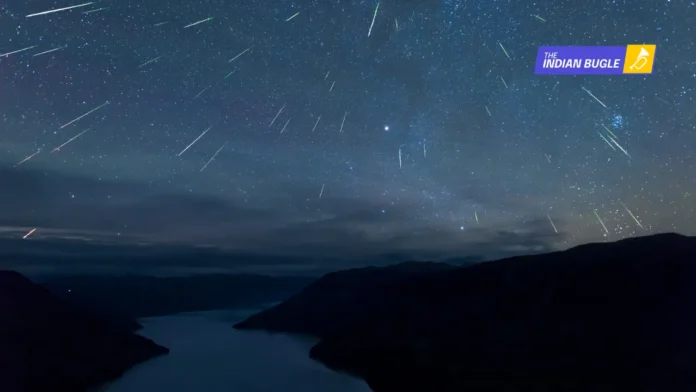
The year 2026 offers rare and visually striking events for sky lovers. Several major eclipses will occur. Supermoons will appear brighter than usual. Meteor showers will light up the night. Together, these events make 2026 a special year for both casual viewers and astronomy enthusiasts.
1. Supermoon at the Start of the Year
The year begins with a powerful supermoon in early January. During a supermoon, the full moon appears larger and brighter because it is closer to Earth. As a result, moonlight dominates the sky and enhances night landscapes.
This event needs no equipment. Clear skies and a horizon view are enough. Photographers benefit from stronger moonlight and sharper details.
2. Quadrantid Meteor Shower in January
Soon after the supermoon, the Quadrantid meteor shower peaks. This shower is short but intense. It often produces bright and fast meteors.
The best viewing window is after midnight and before dawn. Dark locations improve visibility. Although moonlight may reduce faint streaks, brighter meteors should still stand out.
3. Total Lunar Eclipse in March
March brings a total lunar eclipse, often called a blood moon. During totality, Earth’s shadow fully covers the Moon. The Moon turns red due to sunlight passing through Earth’s atmosphere.
This eclipse unfolds slowly. It remains visible for several hours. Unlike solar eclipses, it is safe to watch with the naked eye. This makes it ideal for beginners.
4. Annular and Total Solar Eclipses in 2026
Two solar eclipses make 2026 exceptional. An annular solar eclipse occurs earlier in the year. During this event, the Moon does not fully cover the Sun. A bright ring remains visible around the Moon.
Later in the year, a total solar eclipse becomes the main highlight. In selected regions, daylight will briefly turn into darkness. Temperatures may drop. Stars may appear. This moment lasts only minutes but leaves a lasting impression.
Proper eye protection is essential. Solar viewing glasses must be used at all times.
5. Perseid Meteor Shower in August
The Perseid meteor shower peaks in mid-August. It is one of the most popular annual showers. Perseids are known for bright fireballs and long trails.
In 2026, moon conditions favor visibility. Viewers can expect a high number of meteors per hour under dark skies. The best time to watch is after midnight.
This shower is perfect for group viewing. No telescope is required. Patience improves the experience.
Why 2026 Is Special for Skywatchers
Several major events cluster in the same year. Both solar and lunar eclipses occur. Meteor showers peak under favorable conditions. Supermoons add visual drama.
Because of this combination, 2026 stands out as a complete skywatching year. Beginners and experienced observers can enjoy multiple rare moments.
Simple Skywatching Tips
Choose locations away from city lights. Check weather forecasts in advance. Allow your eyes time to adjust to the darkness. Carry basic safety gear for solar viewing.
Conclusion
The sky in 2026 will offer rare beauty and unforgettable sights. Eclipses will transform day and night. Supermoons will brighten evenings. Meteor showers will paint the sky with motion. Looking up in 2026 will be worth every moment

