


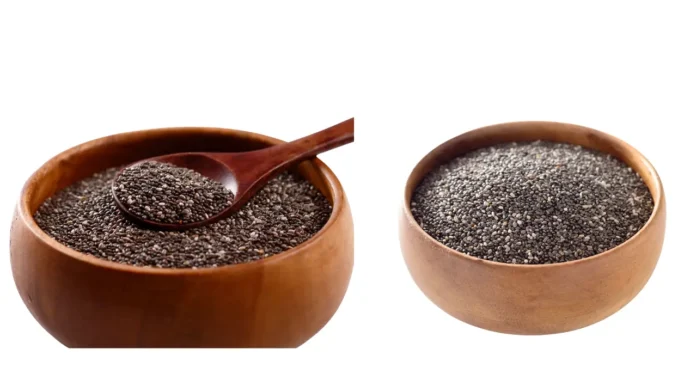
As summer temperatures rise, the body needs foods that cool it down and keep it hydrated. Two popular choices often come into discussion—chia seeds and sabja seeds. Both are small, nutrient-rich, and widely used in health drinks and diets. At first, they may look similar. However, their effects on the body, especially in summer, are quite different. To make the right choice, it is important to understand how each one works.
What Are Chia Seeds and Sabja Seeds?
Chia Seeds
Chia seeds come from a plant originally grown in Central America. They are slightly larger, oval in shape, and usually grey or black. Today, they are considered a global superfood due to their rich nutritional value.
Sabja Seeds (Basil Seeds)
Sabja seeds come from the sweet basil plant and are commonly used in Indian households. They are tiny, black, and widely added to summer drinks like falooda and lemon water.
Both seeds swell when soaked in water. However, sabja seeds expand faster and develop a gel-like coating almost instantly.
Nutritional Value: A Subtle Difference
Both seeds are rich in fibre and essential minerals. Still, their strengths are slightly different.
- Chia seeds contain more protein and healthy fats, especially omega-3 fatty acids
- Sabja seeds are lighter and rich in fibre, making them easy to digest
- Both support gut health and help in detoxifying the body
Chia seeds focus more on long-term nourishment, while sabja seeds are more suited for immediate relief from heat.
Cooling Effect: The Key Summer Advantage
When it comes to summer, cooling becomes the most important factor.
Sabja seeds naturally cool the body. They help reduce internal heat quickly and provide instant freshness. That is why they have been used in traditional summer drinks for years.
Chia seeds, on the other hand, help in hydration but do not provide the same cooling effect. Their impact is slower and more nutritional rather than instantly refreshing.
In simple terms:
- Sabja seeds cool the body quickly
- Chia seeds nourish the body gradually
Hydration and Digestion
Hydration is essential during hot weather, and both seeds play a role here.
Sabja seeds absorb water quickly and form a soft gel. This helps soothe the stomach, reduce acidity, and improve digestion.
Chia seeds also absorb a large amount of water, but they take more time. This makes them suitable for maintaining hydration over a longer period.
If you are looking for quick relief from heat or stomach discomfort, sabja seeds are more effective.
Energy and Overall Nutrition
Chia seeds stand out when it comes to overall nutrition.
They provide:
- Higher protein content
- Healthy fats that support heart health
- Long-lasting energy
- Better support for weight management
Because of these benefits, chia seeds are often used in breakfast meals and fitness diets. They help keep you full for a longer time.
Weight Management Benefits
Both seeds can support weight loss, but they work differently.
- Sabja seeds expand quickly in the stomach and reduce hunger instantly
- Chia seeds provide long-lasting fullness due to their fibre and protein content
So, sabja seeds are useful for quick appetite control, while chia seeds are better for sustained weight management.
Ease of Consumption
There is also a difference in how these seeds are used.
- Sabja seeds must always be soaked before consumption
- Chia seeds can be eaten raw or soaked, depending on preference
Sabja seeds are mostly used in drinks, while chia seeds are more versatile. They can be added to smoothies, oats, salads, and even desserts.
Which One Is Better in Summer?
If the focus is purely on summer needs, the answer becomes clear.
Sabja seeds are better for summer
They provide faster cooling, instant hydration, and relief from heat-related issues like acidity.
Chia seeds are still beneficial, but they are not specifically designed to handle heat. They are better suited for overall health and long-term nutrition.
Can You Use Both Together?
Yes, combining both seeds can be a smart choice.
You can use sabja seeds in summer drinks for cooling and include chia seeds in meals for nutrition. This way, you get the benefits of both without choosing one over the other.
Who Should Choose What?
Choose Sabja Seeds if:
- You feel excessive body heat
- You experience acidity or digestive discomfort
- You want quick refreshment
Choose Chia Seeds if:
- You need sustained energy
- You are focusing on fitness or weight loss
- You want a nutrient-rich superfood
Final Conclusion
Chia seeds and sabja seeds may look similar, but they serve different purposes.
During summer, sabja seeds clearly stand out because of their cooling and hydrating nature. They work quickly and help the body stay comfortable in high temperatures.
Chia seeds, on the other hand, support long-term health by providing essential nutrients and energy.
The best approach is not to choose one over the other completely. Instead, use sabja seeds to beat the heat and chia seeds to nourish your body.

