


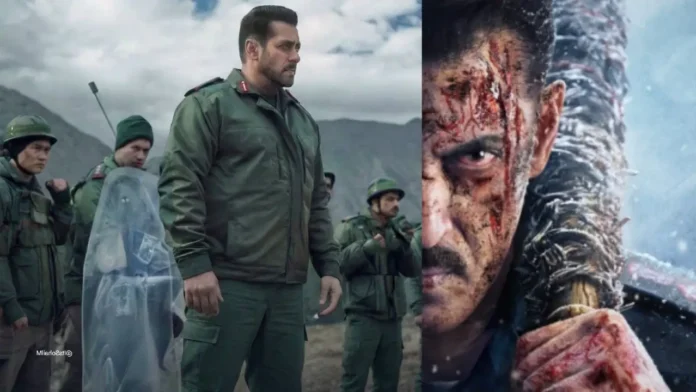
The teaser of Battle of Galwan, starring Salman Khan, has sparked a sharp diplomatic and media backlash from China. Chinese state-linked media accused the film of distorting facts. They claimed cinema cannot rewrite history or weaken China’s resolve. The reaction has turned a film release into a geopolitical debate.
What triggered China’s anger
The controversy began soon after the teaser release. Chinese media outlets described the film as emotional and entertainment-driven. They argued it exaggerates events. They also stated that no cinematic portrayal can challenge China’s claim over its territory or shake the determination of the People’s Liberation Army. As a result, the issue moved beyond film criticism into political messaging.
China’s core argument
China’s position rests on three points.
First, the film presents a one-sided narrative.
Second, it dramatizes a sensitive military incident.
Third, it risks shaping public opinion against China.
Chinese commentary stressed that films cannot alter historical records or strategic realities. The messaging aimed to dismiss the film’s impact while firmly rejecting its portrayal.
India’s position on artistic freedom
In response, government-linked sources in India emphasized artistic freedom. They underlined that films are creative works, not official policy statements. According to this view, Indian cinema does not require validation from foreign governments. This response avoided direct confrontation. Instead, it reinforced India’s commitment to free expression within its legal framework.
The real Galwan clash: verified facts
The Galwan Valley clash occurred on the night of June 15, 2020, in eastern Ladakh. Indian and Chinese troops engaged in violent hand-to-hand combat. Firearms were not used due to existing border agreements. The terrain was steep and the temperatures were extreme. New Delhi officially acknowledged the loss of 20 Indian soldiers. The incident became the deadliest India–China border clash in decades.
Why the “distortion” charge persists
War films compress events. They merge characters. They heighten emotion. This cinematic method often clashes with diplomatic narratives. Critics argue that viewers may mistake dramatization for documentation. Supporters counter that the film never claims to be a documentary. This gap between cinema and history fuels repeated allegations of distortion.
Experts on cinema and sovereignty
Strategic experts broadly agree on one point. No film can change borders or ground realities. Sovereignty depends on diplomacy and military posture, not storytelling. According to them, even an intense war drama cannot impact territorial control. Therefore, outrage over cinematic portrayals remains symbolic rather than strategic.
Why the film still matters
Despite criticism, the Battle of Galwan has significance. It brings public attention to a remote and harsh frontier. It highlights the risks soldiers face in non-traditional combat. It also shapes popular memory of a recent national trauma. These factors explain why reactions remain strong on both sides.
How viewers should approach the film
Watch it as a dramatized tribute. Do not treat it as a historical archive. Compare it with verified accounts of the 2020 clash. Separate emotion from evidence. This approach ensures informed viewing without amplifying misinformation.
Conclusion
China’s angry reaction to the Battle of Galwan reflects its sensitivity over border narratives. India’s response stresses artistic freedom. The confirmed facts of Galwan remain unchanged, including the loss of 20 Indian soldiers. In the end, the controversy highlights a deeper clash between state narratives and creative expression.

