


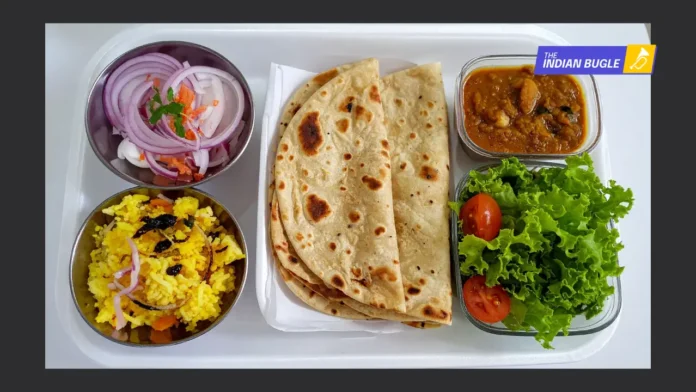
In a major welfare-focused move, the Delhi government has launched the Atal Canteen scheme with the inauguration of its first unit in Lajpat Nagar. The initiative was unveiled on the birth anniversary of former Prime Minister Atal Bihari Vajpayee, symbolising his vision of inclusive and people-centric governance. Under this scheme, nutritious meals will be provided to citizens at a nominal price of ₹5, targeting economically weaker sections of society.
Why Atal Canteen Was Launched
Rising food prices and the high cost of living in urban centres like Delhi have made access to affordable meals a daily challenge for thousands of workers. The Atal Canteen scheme aims to address urban hunger by ensuring that no individual is forced to skip meals due to financial constraints. The programme is especially designed for daily wage labourers, migrant workers, street vendors, sanitation staff, and low-income families.
Launch Event in Lajpat Nagar
The first Atal Canteen was inaugurated in Lajpat Nagar, a busy residential and commercial locality in South Delhi. The launch coincided with Vajpayee’s birth anniversary, adding symbolic significance to the initiative. Senior officials and local representatives were present during the inauguration, highlighting the government’s intent to expand the programme citywide.
What Is the Atal Canteen Scheme
Atal Canteen is a subsidised food programme where the government bears most of the cost of preparing and serving meals. Beneficiaries are required to pay only ₹5 per plate, making it one of the most affordable urban food schemes in the country. The focus is on providing simple, filling, and hygienic meals rather than elaborate menus.
Key Features of Atal Canteens
Meals are available at ₹5 per plate
Nutritious and freshly prepared food
Strict hygiene and quality control norms
Locations chosen near labour hubs and high-footfall areas
Government monitoring to ensure transparency and consistency
Who Will Benefit the Most
The scheme is expected to directly benefit low-income workers who spend long hours outside their homes and cannot afford regular meals at restaurants. Migrant labourers, construction workers, rickshaw pullers, domestic helpers, and informal-sector employees are among the primary beneficiaries.
Future Expansion Plans
The Delhi government plans to open multiple Atal Canteens across the city in the coming months. Priority areas include industrial zones, bus terminals, railway station surroundings, hospital areas, and densely populated working-class neighbourhoods. The long-term vision is to create a reliable food support network across Delhi.
Social and Political Significance
Naming the initiative after Atal Bihari Vajpayee reflects an effort to associate the scheme with values of governance, dignity, and social welfare. Vajpayee is remembered for policies that balanced economic reforms with social responsibility, and the Atal Canteen scheme seeks to carry forward that legacy at the grassroots level.
Comparison With Similar Models
Several Indian states have successfully implemented subsidised canteen models to fight hunger. Delhi’s Atal Canteen adapts these models to an urban context, focusing on accessibility, affordability, and sustainability in one of India’s most expensive cities.
Challenges and Responsibility
The success of Atal Canteens will depend on regular funding, efficient management, food quality maintenance, and preventing misuse. Continuous monitoring and public feedback will be essential to ensure the scheme remains effective and corruption-free.
Conclusion
The launch of Atal Canteen in Lajpat Nagar marks a significant step toward addressing food insecurity in Delhi. By offering meals at just ₹5, the initiative provides immediate relief to vulnerable communities while reinforcing the idea that access to food is a basic necessity, not a privilege. If expanded and managed efficiently, Atal Canteens could become a vital pillar of Delhi’s urban welfare framework.

