


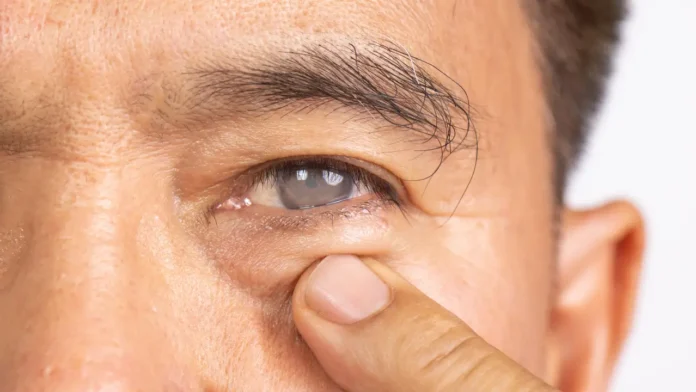
Glaucoma and cataract are among the most common causes of vision problems worldwide. Many people assume they are the same because both blur vision and often appear with age. In reality, they affect completely different parts of the eye and threaten eyesight in very different ways. Understanding this difference can save vision.
Why glaucoma and cataract are often confused
Both conditions usually develop slowly. In early stages, neither may cause pain. Vision changes may feel mild at first. Because of this, many people delay eye check-ups. That delay matters more for glaucoma, where lost vision cannot return. Cataract, by contrast, progresses quietly but remains treatable even later.
What happens in cataract
Cataract affects the eye’s natural lens. Over time, the lens becomes cloudy. Light can no longer pass through clearly. Vision starts to look blurred, dull or foggy. Colours lose brightness. Night driving becomes difficult due to glare from lights.
Age remains the most common cause. However, diabetes, long-term steroid use, eye injuries and excessive sun exposure can speed it up. Cataract does not damage the eye permanently. Doctors can remove the cloudy lens and replace it with an artificial one. Vision usually improves dramatically after surgery.
What happens in glaucoma
Glaucoma damages the optic nerve. This nerve carries visual signals from the eye to the brain. In most cases, pressure inside the eye rises slowly and harms the nerve over time. Vision loss often starts at the edges. Central vision stays normal until late stages.
This makes glaucoma dangerous. Many people feel fine while damage continues silently. Once vision is lost, it cannot return. Treatment focuses on lowering eye pressure to protect the remaining nerve fibers.
Key differences between glaucoma and cataract
Cataract clouds the lens. Glaucoma damages the optic nerve.
Cataract causes blurry vision. Glaucoma causes missing vision.
Cataract vision loss is reversible. Glaucoma vision loss is permanent.
Cataract surgery restores sight. Glaucoma treatment only prevents further loss.
Symptoms you should not ignore
Cataract symptoms include cloudy vision, faded colours, glare, frequent change of glasses and difficulty seeing at night. These symptoms progress gradually and affect daily comfort.
Glaucoma symptoms often appear late. Peripheral vision slowly shrinks. Some people notice bumping into objects or trouble seeing from the sides. Acute glaucoma, which is rare, can cause sudden pain, headache, nausea and rapid vision loss. This is a medical emergency.
Can glaucoma and cataract occur together
Yes, and this is common in older adults. Cataract can make glaucoma tests harder by affecting vision clarity. Doctors often treat both carefully. In some patients, cataract surgery can slightly lower eye pressure and help glaucoma control.
Diagnosis: how doctors detect them
Doctors detect cataract during a routine eye exam by examining the lens. Diagnosis is straightforward.
Glaucoma diagnosis needs more steps. Doctors measure eye pressure, examine the optic nerve, test side vision and sometimes scan nerve fibers. Because early glaucoma has no symptoms, regular screening matters.
Treatment approach: control versus cure
Cataract has a cure. Surgery removes the cloudy lens and replaces it with a clear artificial one. Recovery is usually fast and vision improves.
Glaucoma has no cure. Treatment includes eye drops, laser procedures or surgery to control eye pressure. Success depends on early detection and long-term follow-up.
Who faces higher risk
Cataract risk rises with age, diabetes, smoking and sunlight exposure.
Glaucoma risk increases with age, family history, diabetes, high eye pressure and prolonged steroid use.
People with these risks should never skip eye exams.
Why early eye check-ups matter
Cataract affects how clearly you see. Glaucoma affects how much you see. One steals clarity. The other steals vision silently. Regular eye check-ups catch glaucoma early and allow timely treatment. They also help plan cataract surgery at the right time.
In simple terms
Cataract makes vision cloudy but fixable.
Glaucoma causes silent, permanent vision loss.
Cataract surgery restores sight.
Glaucoma care protects what remains.
Understanding this difference empowers people to act early. Eyes do not warn loudly. Regular check-ups remain the strongest defence.

