


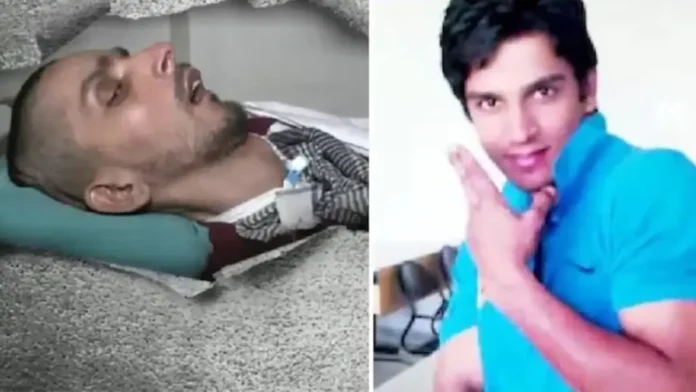
On 24 March 2026, India witnessed a deeply emotional and historic moment—the passing of Harish Rana, a man who had lived in a vegetative state for over 13 years. His case was not just about a medical condition; it became a turning point in how India understands life, dignity, and death.
It raised a profound question:
Should life be prolonged at any cost, even when recovery is impossible?
Who Was Harish Rana?
Harish Rana was a young engineering student whose life took a tragic turn in 2013 after a severe accident caused critical brain damage.
From that moment:
- He remained in a permanent vegetative state
- He showed no signs of awareness or recovery
- He depended entirely on medical support for survival
Despite continuous care, his condition did not improve over the years.
A Long Medical Ordeal
For more than a decade, Harish Rana’s condition remained unchanged. He could not communicate, move voluntarily, or respond to his surroundings.
Key realities of his condition included:
- Total dependence on tube feeding
- No cognitive or physical progress
- A medically confirmed irreversible state
Doctors eventually concluded that there was no realistic possibility of recovery. At that point, the focus shifted from extending life to preserving dignity.
The Legal Battle: A Turning Point
Initial Setback
Harish Rana’s family first approached the court seeking permission to withdraw life support. However, the plea was rejected. The court reasoned that he was not terminally ill and that stopping feeding could be seen as ending life unnaturally.
Supreme Court’s Landmark Decision
The matter later reached the Supreme Court, which delivered a groundbreaking judgment in March 2026.
The Court allowed:
- Withdrawal of life-sustaining treatment
- Recognition of passive euthanasia in this specific case
- Expansion of the right to life to include the right to die with dignity
This decision marked a major shift in Indian jurisprudence.
Understanding Passive Euthanasia
Passive euthanasia refers to allowing death to occur naturally by stopping medical interventions that artificially sustain life.
In this case:
- Artificial feeding was treated as medical support
- It was legally permitted to be withdrawn under strict supervision
This distinction helped clarify an important legal and ethical grey area in India.
Final Phase and Passing
Following the court’s approval, Harish Rana was placed under specialized medical supervision. A structured plan ensured that his final days were peaceful and free from suffering.
After the gradual withdrawal of life support, he passed away on 24 March 2026, bringing an end to years of silent suffering.
Why This Case Matters
1. From Principle to Practice
While passive euthanasia had been discussed earlier in legal terms, this case marked its real-world application in India.
2. Redefining Article 21
The judgment broadened the interpretation of the right to life by including the right to die with dignity, emphasizing quality of life over mere survival.
3. Acknowledging Medical Limits
The case recognized that medical technology can extend life but cannot always restore meaningful existence.
4. A More Compassionate Legal Approach
The ruling highlighted the importance of empathy, balancing legal principles with human suffering and dignity.
Ethical Debate: A Sensitive Issue
Supporters Say:
- It relieves prolonged suffering
- It respects the dignity of the individual
- It reduces emotional strain on families
Critics Argue:
- It could be misused
- It raises moral and religious concerns
- It may lead to difficult decisions about life value
The debate remains ongoing and deeply complex.
How It Differs from Earlier Cases
Earlier cases had recognized passive euthanasia in theory but did not permit its execution in practice.
This case stands apart because:
- Permission was granted
- The decision was implemented
It marked a transition from legal theory to real-life application.
Impact on India’s Future Legal Framework
The Harish Rana case has set a strong precedent for future cases involving end-of-life care.
It highlights the need for:
- Clear legal guidelines
- Strong medical evaluation systems
- Careful judicial oversight
It also opens the door for broader discussions on living wills and patient autonomy.
Conclusion
The story of Harish Rana is not just about law or medicine—it is about humanity.
It forces us to reflect on difficult questions:
- What defines a meaningful life?
- Is survival without awareness truly living?
- Should dignity be preserved even in death?
This case ultimately affirms a powerful idea:
Dignity should not end where life does.

