


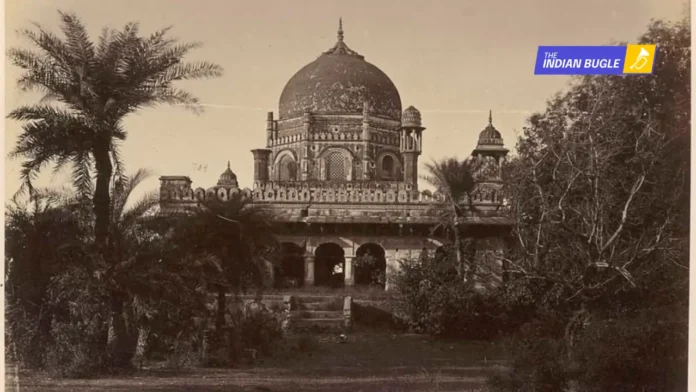
A centuries-old tomb in Bihar’s Aurangabad district has suffered extensive damage after an act of vandalism. The Shamsher Khan tomb, known for its historical and cultural value, was found in a ruined condition. The incident has once again highlighted how vulnerable protected monuments remain on the ground.
What happened at the site
The damage came to light when locals and caretakers noticed broken structures and destroyed graves within the tomb complex. Large sections of the monument were found collapsed or deliberately damaged. Soon after, authorities were informed and the area was secured. The condition of the site shocked residents who had long viewed it as part of their local identity.
Historical importance of the Shamsher Khan tomb
The Shamsher Khan tomb dates back to the early 18th century. It was built in memory of Shamsher Khan, a Mughal-era noble who held administrative authority in the region. The structure reflects typical Mughal architectural elements such as domed construction and stone detailing. Over time, it became a recognised heritage monument and a reminder of Aurangabad’s historical past.
Official action after the vandalism
Following the discovery, the local administration and police initiated an investigation. A formal case was registered against unknown persons. The site was sealed to prevent further damage. Officials stated that the matter is being examined and that responsibility will be fixed once the inquiry is completed.
Reaction from locals and heritage voices
The incident triggered anger and disappointment among residents and heritage supporters. Many pointed out that the monument had remained poorly guarded for years. Repeated warnings about neglect and lack of security were allegedly ignored. Heritage advocates called the damage irreversible and demanded strict punishment for those responsible.
Why protected monuments remain vulnerable
This incident exposes deeper structural problems. First, many protected sites lack regular security or monitoring. Second, maintenance is often limited to paperwork rather than physical care. Third, local communities are rarely involved in preservation efforts. As a result, even listed monuments can be destroyed overnight.
Immediate impact of the damage
The vandalism has caused permanent loss to the structure and surrounding graves. Restoration, if possible, will require expert assessment and funding. More importantly, the incident has weakened public trust in the system meant to safeguard historical assets.
What needs to be done next
Authorities must complete the investigation quickly and ensure accountability. Structural experts should assess whether any part of the monument can be restored. Permanent security arrangements are essential. At the same time, awareness among local residents can help create a sense of shared responsibility for heritage protection.
Broader lesson from the incident
The destruction of the Shamsher Khan tomb is not an isolated case. Across the country, many historical sites face similar risks due to neglect and weak enforcement. Protecting heritage is not just about conserving old structures. It is about preserving collective memory and cultural continuity.
Conclusion
The vandalism of the Shamsher Khan tomb in Aurangabad is a serious cultural loss. Despite being protected, the monument was reduced to rubble. The incident serves as a warning that heritage protection must move beyond declarations to real action on the ground. Without urgent reforms, more such monuments may be lost forever.

