


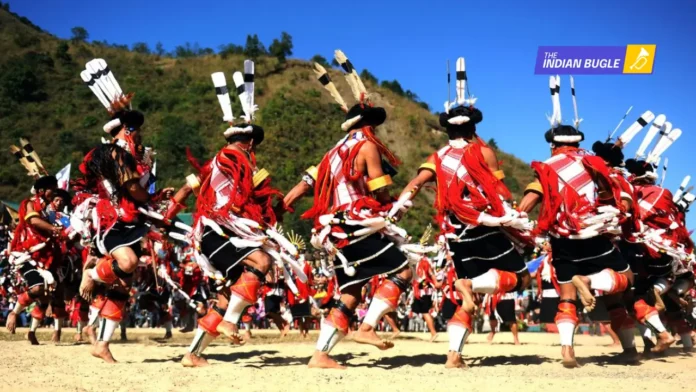
The Hornbill Festival, often described as the “Festival of Festivals,” is Nagaland’s grand annual cultural showcase held every year from 1 to 10 December. Organized at the scenic Kisama Heritage Village near Kohima, it brings together all major tribes of the state in a vibrant display of culture, heritage, art, craft, and community life. Over the years, it has evolved into one of India’s leading cultural tourism attractions and a major economic driver for the region.
What Makes the Hornbill Festival Special?
The festival was created with a vision to preserve and promote the living traditions of Nagaland’s many indigenous tribes. Spread over ten days, Hornbill blends cultural authenticity with contemporary events, making it a rare experience where tradition coexists seamlessly with modernity.
How the Hornbill Festival is Celebrated
1. Grand Tribal Performances
Each of Nagaland’s tribes presents its own dances, war rituals, folk songs, chants, and ceremonial performances. Their richly decorated attire, headgear, spears, shields, and ornaments turn the arena into a colorful celebration of identity and pride.
2. Morung Pavilion Exhibitions
Tribal “morungs,” or traditional youth dormitories, are recreated in life-sized form. Each morung becomes a living museum where visitors can watch artisans weave, carve, cook, and demonstrate customs, folklore, and daily life practices.
3. Indigenous Sports
Traditional Naga wrestling, bamboo pole climbing, archery competitions, and indigenous games form major highlights of the festival. These events preserve the physical culture and warrior spirit associated with Naga heritage.
4. Handloom, Handicraft & Art Markets
Weavers, woodcarvers, potters and craftsmen from remote villages set up stalls to showcase textiles, bamboo crafts, jewelry and artworks. For many artisans, Hornbill is the biggest sale window of the year.
5. Food and Ethnic Cuisine
From bamboo-smoked pork to millet beer and wild herbs, the festival is a paradise for food lovers. Visitors experience authentic Naga cuisine prepared by locals using traditional techniques.
6. Music, Rock Concerts & Modern Events
The festival hosts large music concerts, rock festivals, fashion shows and contemporary performances that draw youth and international artists. This blend of tradition and modernity keeps Hornbill culturally dynamic.
7. Cultural Processions & Ceremonies
Flag hoisting, statehood celebrations, cultural parades and official ceremonies create a sense of unity and highlight Nagaland’s historical journey.
Significance of the Hornbill Festival
1. Preservation of Indigenous Culture
Hornbill plays a critical role in safeguarding tribal customs, languages, dances, and rituals that might otherwise fade under modern pressures. It provides a platform where age-old practices continue to be performed and passed down.
2. Strengthening Inter-Tribal Relations
Nagaland is home to diverse tribes, each with distinct identities. The festival allows them to assemble in a shared space, encouraging cultural exchange and unity.
3. Youth Engagement
While deeply rooted in tradition, the festival appeals strongly to young generations through music festivals, talent shows, and social media-driven events, ensuring continuity of cultural pride.
4. Cultural Diplomacy & Global Reach
With international tourists, researchers, and participants visiting each year, the festival serves as a cultural bridge between Nagaland and the global community.
Economic Contribution of the Hornbill Festival
The Hornbill Festival is one of the biggest economic engines in Nagaland. Its influence extends far beyond the festival grounds.
1. Tourism Growth & Revenue
During the ten-day period, thousands of domestic and international tourists visit Nagaland. This surge generates significant revenue through:
- Hotels, homestays, and guesthouses
- Local transport and taxis
- Restaurants and food vendors
- Entry tickets, guided tours, and cultural events
- Shopping, crafts, textiles, and souvenirs
The overall economic turnover generated during the festival runs into hundreds of crores, depending on visitor volume and market activity.
2. Employment Opportunities
Hornbill creates large-scale seasonal employment for:
- Performers, dancers, and musicians
- Artisans and craft sellers
- Event managers and technicians
- Local drivers and tour guides
- Food stall owners and local farmers supplying produce
For many families, the festival period brings a major annual income boost.
3. Boost for Local Handicrafts
Artisans from interior villages receive direct access to buyers, allowing them to earn higher profits without middlemen. Orders received during Hornbill often continue throughout the year.
4. Infrastructure Development
To accommodate the growing popularity of the festival, the government continuously improves:
- Roads and connectivity
- Accommodation facilities
- Public utilities and sanitation
- Tourism services and training
These improvements benefit locals long after the festival ends.
5. Visibility for Local Entrepreneurs
New businesses—cafes, adventure tours, homestays, travel agencies and craft brands—emerge every year because of the festival’s market potential.
Challenges Faced by the Festival
- Commercialization: Balancing tourism appeal with cultural authenticity remains a challenge.
- Environmental pressures: Waste management and ecological impact must be carefully regulated.
- Infrastructure strain: High tourist inflow stresses transport and accommodation capacity.
- Ensuring equitable benefit: Policymakers must ensure profits reach remote artisans and smaller communities.
Why the Hornbill Festival Matters
Hornbill is not just a cultural event—it is a symbol of identity, resilience, and shared heritage. It brings global attention to indigenous cultures while strengthening the economic foundation of Nagaland. The festival stands as a powerful example of how traditional communities can use culture as both a source of pride and a sustainable livelihood.

