


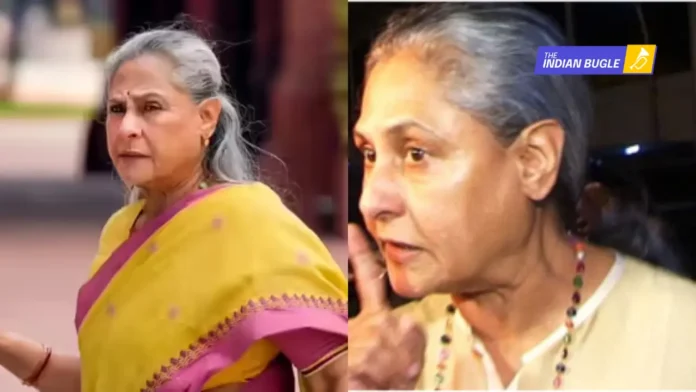
The relationship between celebrities and paparazzi has always been uneasy, layered with contradiction and mutual dependence. This long-simmering tension returned to the spotlight after veteran actor and MP Jaya Bachchan made sharp remarks criticising paparazzi culture. While her comments resonated with many who believe celebrities deserve personal space, actor Huma Qureshi offered a more candid and balanced perspective — one that revealed the rarely acknowledged truth of how celebrity visibility actually works.
Her statement that celebrities also call photographers when they want to be seen has reopened an important conversation about consent, hypocrisy, power dynamics, and the economics of fame.
What Jaya Bachchan Said and Why It Sparked a Debate
Jaya Bachchan, known for her forthright views, openly criticised paparazzi behaviour, accusing photographers of lacking basic decency and professionalism. She stated that she maintains no relationship with them and expressed visible frustration with how celebrities are constantly followed and filmed.
The remarks quickly went viral, triggering widespread discussion online. While many supported her stance on privacy and dignity, others felt her language reflected a deep disconnect from the realities of how media and celebrity culture operate today.
Huma Qureshi’s Counterpoint: A Reality Check
Huma Qureshi’s response stood out because of its honesty. Instead of defending paparazzi unconditionally or dismissing privacy concerns, she acknowledged both sides of the argument.
She pointed out that while paparazzi often cross ethical boundaries, celebrities and their teams are not always passive victims. According to her, actors frequently call photographers or tip them off when they want publicity — whether it’s for a film release, a public appearance, or simply to stay relevant in the media cycle.
Her remarks peeled back the polished surface of stardom to reveal a transactional relationship that most insiders know but few publicly admit.
Why Celebrities Invite Paparazzi Attention
In today’s attention-driven entertainment industry, visibility is currency. For many actors, being seen is not accidental but strategic.
Celebrities or their public relations teams often alert photographers about , Airport arrivals, Gym visits, Movie screenings, Brand events, and Public outings
These seemingly “candid” moments help maintain relevance, boost social media engagement, and keep an actor in the public eye. In many cases, paparazzi images function as unpaid publicity, making photographers an informal but powerful extension of the PR ecosystem.
The Other Side: When Paparazzi Cross the Line
While the mutual dependency exists, it does not justify harassment or intrusion. Paparazzi culture becomes problematic when:
- Celebrities are followed relentlessly
- Personal grief or family moments are filmed
- Children are photographed without consent
- Aggressive behaviour replaces observation
This is where Huma Qureshi’s position becomes important. She did not deny that lines are crossed — only that the system itself is more complicated than it appears.
The Class and Power Angle in the Debate
Another layer to the controversy lies in how photographers are spoken about. Many critics argued that dismissing paparazzi as disposable or “unwanted” ignores the fact that photography is their livelihood.
Paparazzi often work freelance, without job security, responding to the same market demand that celebrities and media houses benefit from. When senior public figures use harsh language, they risk turning a systemic issue into a moral judgment against individuals with far less power.
Privacy, Law, and the Grey Area in India
India’s legal framework around privacy and public photography remains evolving. While public figures have limited expectations of privacy in public spaces, repeated harassment can still be challenged.
However, most disputes are governed not by law but by unwritten industry norms — norms that blur easily when money, fame, and public attention are involved. This grey area allows both exploitation and hypocrisy to coexist.
What This Episode Reveals About Celebrity Culture Today
The exchange between Jaya Bachchan and Huma Qureshi highlights uncomfortable truths:
- Paparazzi are not outsiders; they are part of the fame machinery
- Celebrities selectively embrace or reject them based on convenience
- Public outrage often ignores how PR strategies shape visibility
- Ethical reform cannot happen unless all stakeholders accept accountability
Rather than vilifying one side, the debate calls for introspection within the entertainment ecosystem itself.
The Way Forward: Towards a Healthier Media Culture
A more balanced system would require:
- Clear boundaries for photographers, especially involving families and children
- Greater transparency from celebrity PR teams about staged appearances
- Respectful language from public figures when addressing working professionals
- Media houses choosing ethics over virality
Only then can privacy and publicity coexist without exploitation.
Conclusion
Huma Qureshi’s remarks did not invalidate Jaya Bachchan’s concerns — they expanded them. By acknowledging the industry’s unspoken truths, she shifted the debate from outrage to realism.
The paparazzi are neither villains nor heroes; they are participants in a system built on visibility, demand, and profit. Until celebrities, publicists, media platforms, and audiences accept their role in sustaining this system, the controversy will continue — repeating itself every time a camera clicks.

