


India’s food habits in 2025 reflected comfort, convenience, and routine. According to the annual food trends report released by Swiggy, ordering food became part of everyday life. Traditional favourites dominated the charts, while snacking and late-night meals continued to grow.
Biryani remained India’s most ordered dish
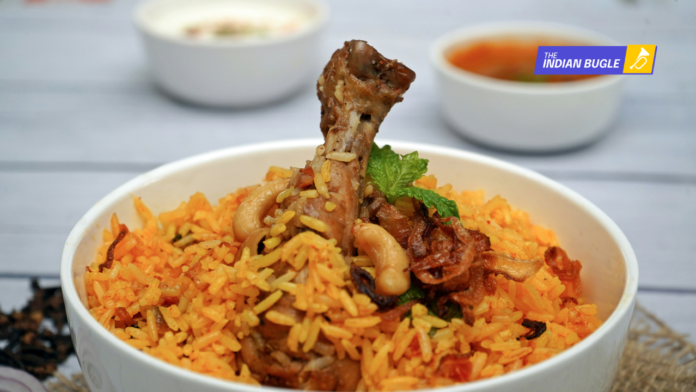
The Swiggy report shows that biryani topped food orders across the country. Indians ordered nearly 93 million plates in one year. This translates to more than three biryani orders every second. Chicken biryani led by a wide margin. Its rich flavour, filling portion, and suitability for sharing kept it at the top. Regional variations further strengthened its nationwide appeal.
Chai continued to rule daily routines
Chai retained its strong position in daily life. As per the Swiggy report, around 2.9 million cups were ordered in 2025. Most orders came during evening snack hours. This highlights that chai is not just a beverage. It represents comfort, breaks from work, and social connection. Despite newer drinks gaining popularity, chai remained unmatched.
Snack-time showed modern preferences
Snack-time trends pointed to changing tastes. Burgers dominated afternoon and early evening orders. Both vegetarian and non-vegetarian options saw strong demand. However, traditional habits stayed relevant. The chai-samosa combination continued to attract millions of orders, showing that familiar rituals still matter.
Breakfast and late-night orders told different stories
Morning orders focused on simple and familiar foods. Idli and dosa led breakfast choices, offering light and satisfying meals. Late-night orders told another story. Burgers, biryani, pizzas, and desserts dominated after midnight. This reflects longer working hours and flexible lifestyles in urban India.
Desserts balanced indulgence and tradition
Dessert orders showed a clear balance. Cakes, especially chocolate-based varieties, topped the list. At the same time, Indian sweets maintained steady demand. Gulab jamun, kaju barfi, and laddoos were frequently ordered during festivals and family occasions. Both modern and traditional desserts found equal space.
Regional and global cuisines gained attention
The Swiggy report also highlighted growing interest in global cuisines. Mexican, Korean, and Tibetan dishes saw rising demand. Meanwhile, regional Indian cuisines expanded rapidly. Local flavours from hills, coastal regions, and traditional kitchens reached new audiences across cities.
Festivals triggered massive food orders
Festive periods saw sharp spikes in food delivery. Modaks during Ganesh Chaturthi and vrat meals during Navratri were widely ordered. On major celebrations, biryani once again emerged as the preferred meal. Food delivery platforms became an important part of festival planning.
Delivery partners powered the ecosystem
Behind these numbers were delivery partners covering long distances every day. Their availability ensured timely meals at all hours. The scale of deliveries highlighted in the Swiggy report shows how deeply food delivery is woven into urban and semi-urban life.
What the Swiggy report reveals about India
First, convenience now shapes eating habits. Second, traditional Indian foods still dominate online platforms. Third, eating at home has replaced frequent dining out for many families. Finally, food delivery has shifted from an occasional luxury to a daily habit.
Conclusion
The Swiggy report for 2025 captures how India eats today. Biryani symbolised indulgence and celebration. Chai represented routine and comfort. Together, these trends show how food continues to shape daily life while adapting to modern lifestyles.
If you want, I can now:
• Make this more news-driven and punchy, or
• Convert it into a short web story or infographic for social media platforms.

