


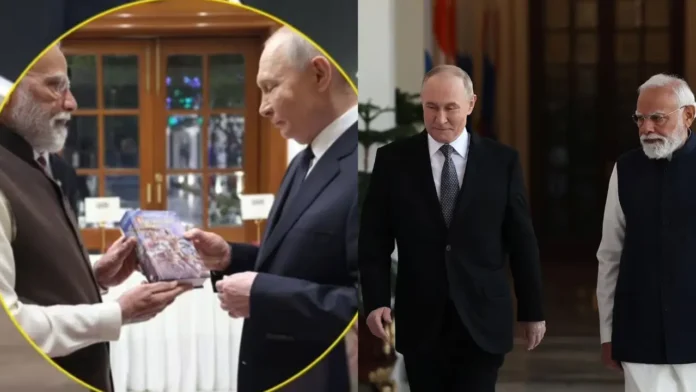
When Russian President Vladimir Putin arrived in India for his latest state visit, the spotlight was not only on strategic discussions, defence talks, energy deals or India–Russia trade. A moment that drew global attention was the special gift hamper Prime Minister Narendra Modi presented to Putin — a thoughtfully curated selection reflecting India’s heritage, craftsmanship and civilisational identity.
Gifts exchanged during state visits are not mere formalities. They are diplomatic messages in material form, chosen carefully to communicate values, relationships and long-term intent. In this case, India used culture, craftsmanship and spirituality as instruments of soft power, reminding the world that its partnership with Russia is both historical and deeply rooted.
What India Gifted to President Putin — Complete List
PM Modi’s gift hamper to Vladimir Putin included:
- A Russian-language edition of the Srimad Bhagavad Gita
- GI-tagged Assam black tea
- A Murshidabad silver tea set from West Bengal
- Premium Kashmiri saffron (Red Gold)
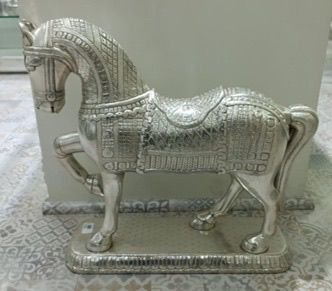
- A handcrafted silver horse figurine from Maharashtra
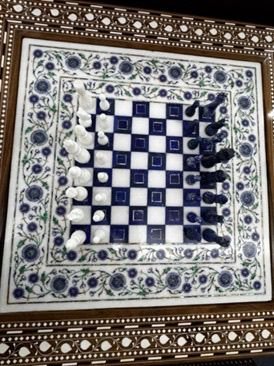
- A marble chess set from Agra, Uttar Pradesh
Each item was carefully selected — not random gifts, but symbolic representations of India’s geography, culture, artistry and philosophy.
1. Srimad Bhagavad Gita in Russian — Spiritual Diplomacy
The Bhagavad Gita represents wisdom, philosophy and India’s civilisational soul.
Presenting it in Russian was more than a gesture — it conveyed respect and accessibility, allowing Russian readers to connect with Indian thought directly.
The message was clear:
India sees its relationship with Russia not as transactional, but as civilisational.
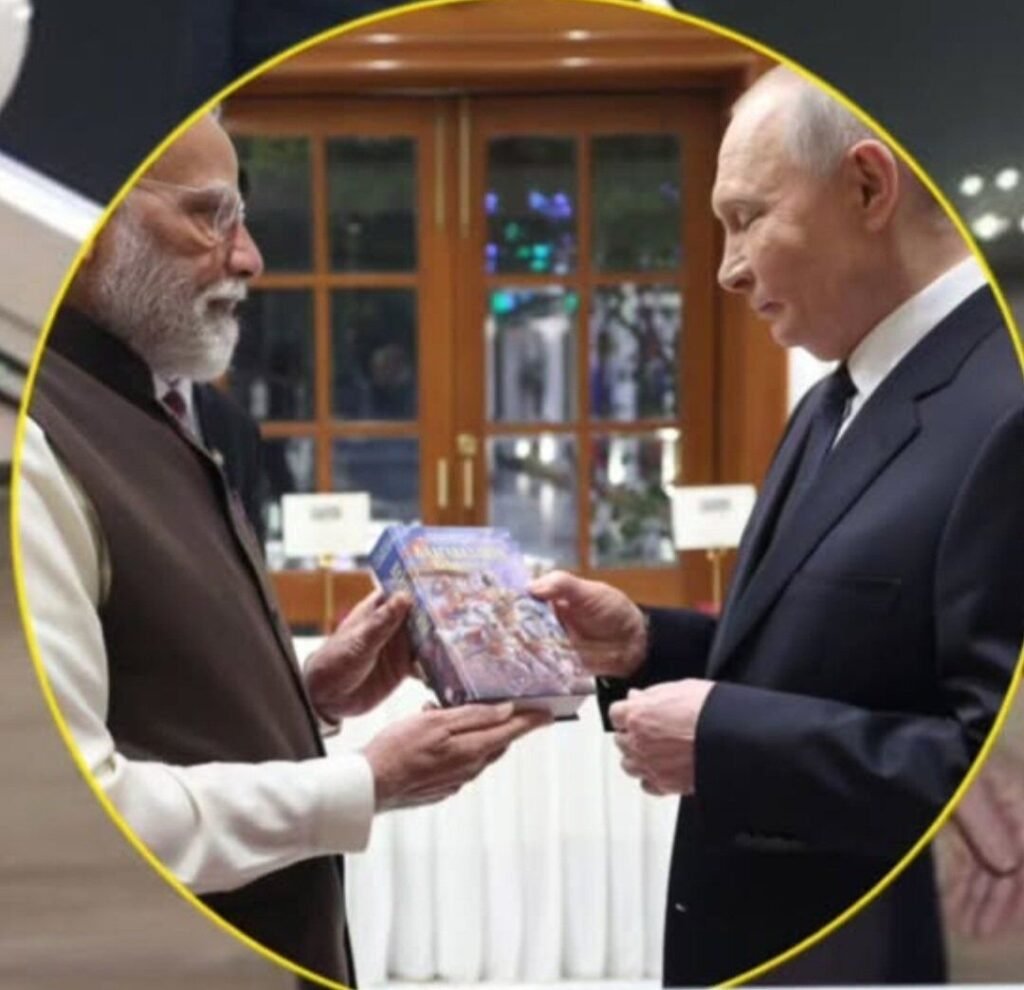
2. Assam Black Tea — From the Heart of India’s Tea Belt
Assam tea is known worldwide for its rich flavour and quality. Including it in the hamper highlighted:
- India’s globally admired tea heritage
- Agricultural strength and export potential
- A cultural connection — both nations have strong tea-drinking traditions
It subtly showcased how everyday culture can build bridges between nations.
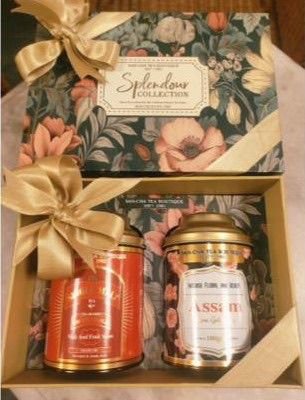
3. Murshidabad Silver Tea Set — Indian Craftsmanship at Its Finest
Murshidabad’s handcrafted silverwork has an artistic legacy dating back centuries.
Pairing this tea set with Assam tea created a complete ceremonial experience — beauty with utility, tradition with hospitality.
It symbolised Indian artistry, royal finesse and warmth in diplomatic engagement.
4. Kashmiri Saffron — Luxury, Purity & Geographic Identity
Kashmiri saffron is among the most valuable spices in the world, cherished for its deep colour, fragrance and purity. It represented:
- The richness of Himalayan agriculture
- India’s high-value premium exports
- A gift of prestige — fit for a world leader
Presenting saffron was a nod to India’s natural wealth and regional diversity.
5. Silver Horse Figurine — Forward Motion in Relations
The handcrafted silver horse from Maharashtra stood out for its symbolism.
The horse, poised in a forward-moving stance, is widely associated with strength, progress and dignity.
Through this gift, India conveyed a message:
The India–Russia relationship is not static — it is moving forward, with purpose and momentum.
6. Marble Chess Set from Agra — Strategy as Cultural Language
Chess, believed to have originated in ancient India (as Chaturanga), has a proud legacy in Russia, which is renowned for producing world champions.
A marble chess set from Agra brought together:
- Indian craftsmanship in stone inlay work
- A shared intellectual heritage
- Strategic thinking — a reminder that diplomacy is like chess: every move matters
It beautifully reflected the tactical depth of India–Russia relations.
More Than Gifts — A Cultural Message to the World
This hamper was not a collection of things. It was a story told in objects:
| Region | Gift | What It Represents |
|---|---|---|
| Kashmir | Saffron | Purity, luxury, Himalayan heritage |
| Assam | Tea | Agriculture, flavour, daily culture |
| West Bengal | Silver Tea Set | Handcraft legacy, hospitality |
| Maharashtra | Silver Horse | Strength, forward momentum |
| Uttar Pradesh | Marble Chess | Strategy, artistry |
| Bharat’s Spirit | Russian Gita | Civilisational bridge |
Through one gesture, India showcased spiritual depth, artistic skills, premium crops, indigenous crafts and cultural confidence.
This approach fits into India’s broader diplomatic style — firm on strategic interest, gentle in cultural expression.
Why This Gift Matters Geopolitically
At a time when global alignments are shifting and great-power politics is tense, India used gifts to silently express:
- Respect for an old partner
- Willingness to maintain balanced ties
- Cultural confidence independent of the West
- Strategic autonomy without choosing sides
Soft power became India’s most elegant foreign policy tool.
Conclusion
The gift India presented to President Putin was far more than protocol — it was a diplomatic statement wrapped in tradition.
It showcased:
- The richness of India’s craft and culture
- The depth of India–Russia civilisational ties
- Confidence in Indian identity and heritage
- A vision of partnership rooted in the past yet moving into the future
In essence, India told Russia — and the world:
Our partnership is built on history, culture and shared understanding.
It is steady, respectful and forward-looking.
And it expressed all of that — without a single word, with a book, tea, saffron, silver, marble and craftsmanship.

