


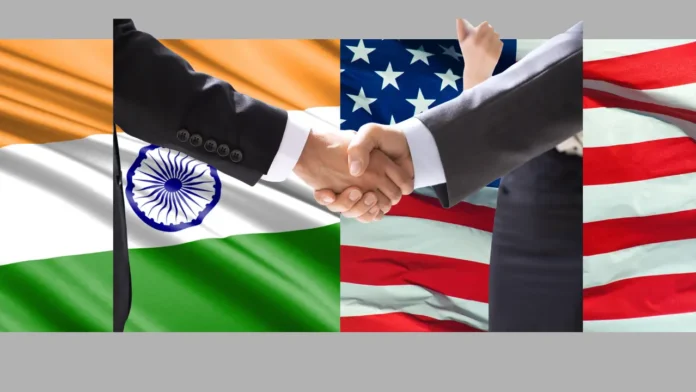
The latest India–US deal is more than a routine diplomatic announcement. It reflects a shift in global priorities, economic strategies, and power equations. At its core, the deal focuses on trade, energy cooperation, and long-term strategic alignment. While headlines highlight tariff cuts and energy commitments, the deeper consequences unfold across global markets and international diplomacy.
What the India–US Deal Includes
The deal is not a single document. Instead, it is a bundle of policy decisions and mutual commitments. First, the United States has agreed to reduce tariffs on selected Indian exports significantly. This move improves India’s access to the American market.
Second, India has agreed to rework parts of its energy import strategy, reducing reliance on discounted Russian oil and increasing purchases from alternative suppliers.
Third, both sides have signaled deeper cooperation in defence manufacturing, advanced technology, and supply-chain resilience.
How the Deal Affects the World
To begin with, the deal accelerates changes in global trade flows. Lower tariffs make Indian goods more competitive in the US market. As a result, manufacturers may shift production bases to India. This reduces over-dependence on a single country for global supply chains.
At the same time, the global energy market feels the impact. If India reduces Russian oil imports, other suppliers gain market share. This change can influence crude prices and regional energy stability, especially in Asia.
More importantly, the deal reshapes geopolitics. It strengthens cooperation between India and the United States in the Indo-Pacific region. This partnership adds weight to efforts aimed at maintaining balance in a region marked by rising competition and security concerns.
Impact on the United States
From the American perspective, the deal delivers both economic and strategic advantages. Economically, US companies gain improved access to one of the world’s fastest-growing consumer markets. This opens opportunities for exporters, energy firms, and technology providers.
Strategically, the US strengthens its presence in Asia without expanding direct military commitments. India emerges as a reliable partner that shares concerns about regional stability, maritime security, and freedom of trade routes. However, the US also understands the limits of this relationship. India is not a treaty ally and continues to make independent foreign-policy choices.
Impact on India
For India, the deal offers a strong economic push. Reduced tariffs help Indian exporters increase sales in the US market. This can support job creation and manufacturing growth. In addition, closer cooperation in technology and defence supports India’s long-term industrial ambitions.
At the same time, energy commitments pose short-term challenges. Russian oil has been cheaper and easier to access. Shifting suppliers may raise costs initially. Therefore, India must balance diplomacy with economic practicality.
Diplomatically, the deal enhances India’s global standing. It positions the country as a key player capable of engaging major powers while safeguarding strategic autonomy.
What It Means for India–US Relations
In the short term, the deal injects momentum into bilateral relations. Expect more high-level visits, faster approvals for joint projects, and deeper dialogue across sectors.
In the long term, the relationship moves from issue-based cooperation to a structured partnership. However, it remains a partnership of equals, not an alliance. India will continue to engage multiple global powers, while the US will treat India as an independent strategic actor rather than a subordinate partner.
Trust will depend on delivery. Clear timelines, transparent implementation, and respect for domestic priorities will decide whether this relationship deepens or plateaus.
Key Risks and Open Questions
Despite its promise, the deal carries risks. Implementation gaps could dilute impact. Domestic opposition in both countries may slow reforms. Energy market volatility remains a concern. Additionally, other global powers may react by strengthening alternative alliances, increasing regional competition.
What Success Will Look Like
Success will be visible through rising bilateral trade, steady energy diversification, new manufacturing investments, and sustained diplomatic coordination. Above all, success depends on consistency rather than announcements.
Conclusion: A Deal with Long-Term Weight
The India–US deal marks a meaningful step in reshaping economic ties and global strategy. It offers growth opportunities, stronger cooperation, and global influence for both countries. Yet, its real value lies in execution. If both sides stay focused on delivery and mutual respect, the deal can redefine India–US relations for the coming decade. Otherwise, it risks becoming another well-intended but under-delivered promise.

