


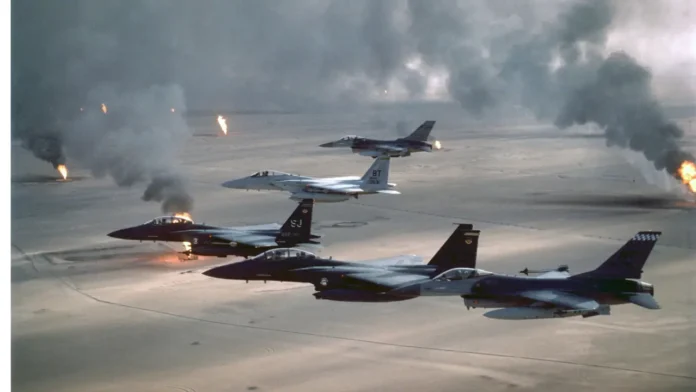
The Iran–Israel conflict in 2026 has evolved into one of the most serious geopolitical crises in recent times. What began as targeted military action has now expanded into a broader confrontation involving global powers, energy routes, and fragile diplomacy.
At the same time, signals of negotiation are emerging. Yet, the situation remains tense and unpredictable.
How the Conflict Escalated
The war intensified after continuous military exchanges between Iran and Israel, with the United States playing a supporting role.
Missile strikes, air raids, and strategic attacks have taken place across key regions such as Tehran, Tel Aviv, and parts of southern Lebanon.
Even now, both sides follow a dual approach. They continue military operations while hinting at possible talks. This contrast has created uncertainty at both the regional and global levels.
The Role of the United States
The United States has become a central force in shaping the direction of this conflict.
Military Involvement
The U.S. has strengthened its presence in the region by deploying additional forces and supporting Israel’s operations. Military actions have continued despite ongoing diplomatic discussions.
This shows that strategic preparedness remains a priority.
Diplomatic Signals
At the same time, there are indications of efforts to open communication channels with Iran. Proposals for temporary ceasefire arrangements and structured negotiations have been discussed informally.
However, progress remains uncertain due to trust issues.
Iran’s Position and Strategy
Iran has taken a firm and calculated stance throughout the conflict.
Resistance to Talks
Iran has expressed strong skepticism about negotiations, especially amid ongoing military pressure. The leadership believes that meaningful dialogue cannot happen under active conflict conditions.
Continued Military Response
Iran has maintained its offensive capabilities. Missile strikes and strategic positioning remain key parts of its approach. At the same time, it is trying to retain leverage in any future negotiations.
Israel’s Military Approach
Israel has maintained an aggressive and consistent strategy.
Key Actions
- Airstrikes targeting strategic locations
- Operations beyond its borders
- Advanced missile defense systems
Israel has clearly indicated that security concerns take priority. Military plans are likely to continue, regardless of ongoing diplomatic efforts.
The Strait of Hormuz: A Global Pressure Point
One of the most critical elements of this conflict is the Strait of Hormuz.
This narrow route is essential for global oil transportation. Any disruption here directly affects fuel supply and pricing worldwide.
There have been signals that safe passage may be allowed under specific conditions. This reflects an attempt to balance geopolitical pressure with economic realities.
Global Economic Impact
The effects of this conflict are not limited to the region. They are being felt across the world.
1. Oil Market Fluctuations
Oil prices have shown sharp movements due to uncertainty around supply routes.
2. Energy Security Concerns
Countries dependent on imported oil are preparing backup plans. These include tapping reserves and exploring alternative sources.
3. Trade and Travel Disruptions
Air travel routes and shipping lanes have faced disruptions. This has increased costs and slowed global movement.
Diplomatic Efforts and Mediation
Several global players are trying to reduce tensions.
Key Developments
- Informal proposals for a ceasefire
- Neutral countries offering mediation
- Calls for restraint from international bodies
Despite these efforts, progress has been slow. The gap between both sides remains wide.
Why Peace Remains Difficult
Reaching peace is not simple in this situation.
1. Deep Trust Deficit
Both sides question each other’s intentions. Past experiences have made negotiations harder.
2. Ongoing Conflict
Active military operations make it difficult to build stable dialogue.
3. Regional Complexity
The involvement of multiple countries and alliances adds layers of complexity to the conflict.
What Lies Ahead
The future of this conflict depends on how two forces interact:
- Continued military escalation
- Ongoing diplomatic efforts
If negotiations gain momentum, temporary stability may follow. If not, the conflict could expand further and impact global stability.
Final Thoughts
The Iran–Israel war in 2026 is more than a regional conflict. It has become a global concern with far-reaching consequences.
While there are signs of possible dialogue, the situation remains fragile. Every move, whether military or diplomatic, can change the direction of events.
In simple terms, the world is watching a delicate balance. The war continues, yet the possibility of peace still exists.

