


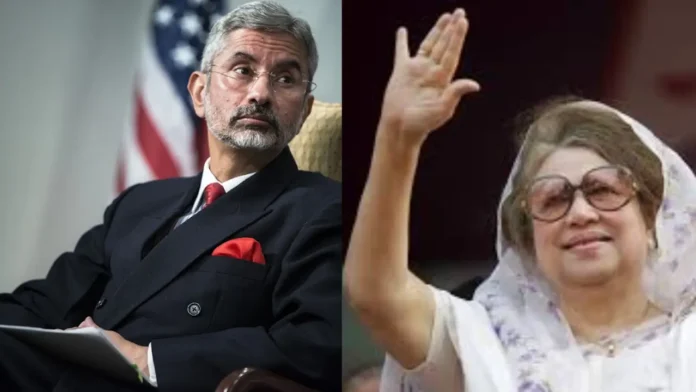
The death of former Bangladesh Prime Minister Khaleda Zia has triggered a significant diplomatic gesture from New Delhi. India has decided that External Affairs Minister S. Jaishankar will attend her last rites in Dhaka. This decision goes beyond protocol. It sends a calculated political and diplomatic message at a sensitive moment for Bangladesh and the wider region.
Key facts at a glance
Khaleda Zia passed away after a prolonged illness at the age of 80. Bangladesh announced state mourning and scheduled official funeral rites in Dhaka. India confirmed that its External Affairs Minister will represent the country at the ceremony. The choice of envoy clearly elevates the importance India attaches to the moment.
Why this move matters diplomatically
Sending the External Affairs Minister is not routine. Governments often delegate such events to ambassadors or junior ministers. By choosing Jaishankar, India signals respect for Khaleda Zia’s stature as a former head of government. At the same time, it avoids the political weight of a prime ministerial or presidential visit. This balance reflects careful diplomatic calibration.
India’s message to Bangladesh
The visit communicates continuity. It reassures Dhaka that India’s engagement with Bangladesh transcends individual leaders and political parties. Khaleda Zia led Bangladesh during critical years. Acknowledging her legacy helps India maintain goodwill with multiple political constituencies inside Bangladesh, including those aligned with the Bangladesh Nationalist Party.
Timing and regional context
The timing adds weight to the decision. Bangladesh is navigating political uncertainty following Khaleda Zia’s death. Domestic alignments may shift. By maintaining a respectful and neutral posture, India positions itself as a stable partner during transition. This approach reduces the risk of misinterpretation at a volatile moment.
Strategic signals behind the visit
Several signals emerge clearly.
First, India wants stability in Bangladesh.
Second, New Delhi aims to avoid being seen as partisan in Dhaka’s internal politics.
Third, India seeks to preserve open channels with all major political stakeholders.
These goals align with India’s long-term interests in border security, trade, connectivity, and regional cooperation.
Why China and others are watching
Bangladesh holds strategic importance in South Asia. Any major diplomatic move involving Dhaka draws attention from regional powers. By acting with restraint and dignity, India strengthens its image as a responsible neighbour. The visit also reinforces India’s preference for engagement over symbolism-driven confrontation.
Protocol, precedent, and practice
In diplomatic practice, attendance by a foreign minister represents high respect without policy entanglement. Such visits allow for quiet conversations if needed, but do not force formal negotiations. Jaishankar’s presence fits this pattern. It leaves room for dialogue while keeping the focus on condolence.
Possible short-term outcomes
The visit may lead to brief informal interactions with Bangladeshi leaders. It may also ease future diplomatic outreach during political realignments in Dhaka. Importantly, it sets a tone of empathy and respect rather than urgency or pressure.
Risks and sensitivities
The move still requires caution. Any perceived tilt toward one political faction could complicate India’s ties with the ruling establishment. Therefore, messaging around the visit will likely remain focused on condolences, legacy, and people-to-people respect rather than policy issues.
What to watch next
Observers should watch how Bangladeshi political groups respond publicly to India’s gesture. Media framing in Dhaka will matter. Future bilateral engagements following the funeral will also indicate whether this symbolic step translates into smoother diplomatic interactions.
Conclusion
India’s decision to send EAM S. Jaishankar to attend Khaleda Zia’s last rites is a quiet but powerful diplomatic statement. It blends respect, restraint, and strategic foresight. At a time of political transition in Bangladesh, New Delhi has chosen stability over spectacle. This is why the move stands out as a significant moment in India–Bangladesh relations.

