


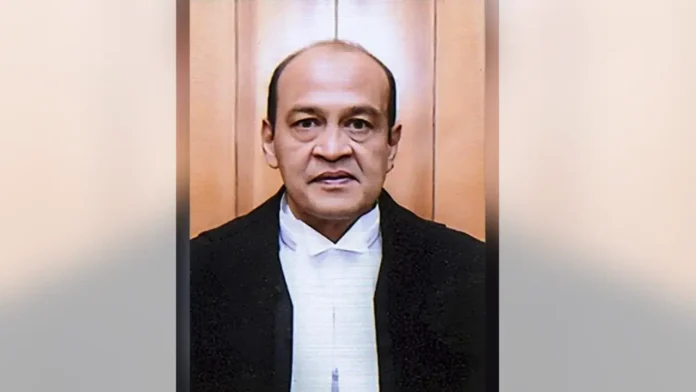
The resignation of Yashwant Varma marks a serious moment for India’s judicial system. The case is not just about one judge. It raises deeper questions about accountability, institutional processes, and public trust.
While the judiciary has long been seen as a pillar of democracy, incidents like this challenge that perception. Therefore, understanding the full story becomes essential.
What Triggered the Controversy
The controversy began with an unexpected incident. A fire broke out at the official residence of Justice Varma while he was serving in the Delhi High Court.
During the firefighting operation, officials reportedly discovered large amounts of cash stored in a room. This discovery immediately raised serious concerns.
However, what followed added more complexity. Authorities did not properly document the findings at the time. There was no immediate FIR. There was also no detailed seizure record.
As a result, the situation moved from a suspicious incident to a full-blown institutional issue.
The Inquiry and Its Findings
An internal inquiry was later initiated under the supervision of the Chief Justice of India. This step followed established judicial procedures.
The inquiry confirmed that cash had indeed been found at the residence. At the same time, it pointed out major lapses by local authorities.
Officials failed to follow basic protocol. They neither secured the evidence properly nor created official records of the recovery.
This raised two key concerns. First, the presence of unexplained cash. Second, the failure of enforcement agencies to act correctly.
From Inquiry to Political Action
As the findings became clearer, the matter moved beyond the judiciary. It entered the political domain.
The government began the process of initiating a motion for removal. This requires support from Members of Parliament.
Several political parties indicated their willingness to support such a motion. This signaled that the issue had gained national importance.
In India, removing a High Court judge is rare and complex. Therefore, the initiation of this process itself showed the seriousness of the allegations.
The Resignation: Timing and Meaning
On April 10, 2026, Justice Varma submitted his resignation to Droupadi Murmu.
In his letter, he expressed anguish but did not elaborate on the reasons. The resignation came just as the removal process was gaining momentum.
This timing is important. Resignation in such cases often prevents a prolonged parliamentary process.
However, it does not automatically resolve the questions raised by the case. Instead, it shifts the focus to accountability and transparency.
Legal and Constitutional Context
India’s Constitution provides strong protection to judges. This ensures judicial independence.
At the same time, it makes removal difficult. A judge can only be removed through a parliamentary process involving both Houses.
This process includes investigation, debate, and voting. It is intentionally rigorous.
Therefore, resignation becomes a significant development. It effectively halts the formal removal process while avoiding a constitutional confrontation.
Impact on Public Trust
Public trust is the foundation of the judiciary. Cases like this can weaken that trust if not handled transparently.
People expect judges to uphold the highest ethical standards. Any deviation creates doubt not just about individuals, but about the system.
However, the initiation of an inquiry and subsequent actions also show that internal mechanisms are active.
So, while the incident raises concerns, the response becomes equally important in shaping public perception.
Questions That Still Remain
Even after the resignation, several questions remain unanswered.
- What was the source of the cash?
- Why did authorities fail to document the recovery properly?
- Were there systemic lapses beyond this case?
These questions are critical. Without clear answers, speculation may continue.
Broader Implications for the Judiciary
This case may lead to stricter internal protocols. It may also push for better coordination between judicial and law enforcement bodies.
There could be calls for greater transparency in judicial conduct. At the same time, care must be taken to preserve judicial independence.
Balancing accountability with independence remains the central challenge.
Conclusion
The resignation of Justice Yashwant Varma is not just an isolated event. It reflects deeper structural and ethical questions within the system.
While the immediate chapter may seem closed, the larger conversation has just begun.
How institutions respond now will determine whether public confidence is restored or further eroded.

