


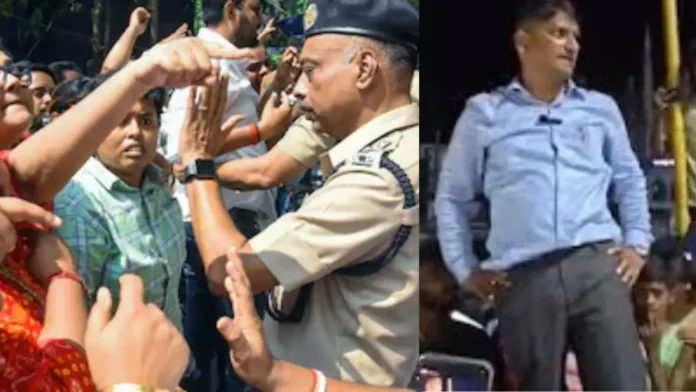
The Kaliachak incident in April 2026 has shaken West Bengal’s administrative and judicial system. What began as a protest over voter list deletions quickly escalated into a prolonged and dangerous standoff. At the center of the controversy stands advocate Mofakkerul Islam, whom police describe as the alleged mastermind. However, the situation runs deeper than a single accusation. To understand it clearly, one must look at the sequence of events, the legal implications, and the political context.
Background: Why Did the Protest Begin?
The root cause lies in the revision of electoral rolls. This process aims to verify voter eligibility before elections. In Malda, many residents claimed that their names were removed unfairly.
As frustration grew, people gathered at the Kaliachak-II Block Development Office. They demanded answers and immediate correction of voter records. At first, the protest remained controlled. Soon, tensions rose when officials did not respond as protesters expected.
A large number of affected individuals added momentum to the protest. Public anger built up quickly and spread across nearby areas.
The Gherao: When Protest Turned Into Confinement
By the afternoon, the situation changed sharply. A large crowd surrounded the block office and prevented seven judicial officers from leaving.
The officers remained confined for several hours. Among them were women officers, which raised serious safety concerns. The crowd blocked access routes and restricted movement in and out of the building.
As time passed, the situation became more intense. Appeals for help did not bring immediate relief. Eventually, a late-night operation helped secure their release.
During this phase, the protest turned aggressive. Incidents of stone-pelting and property damage were reported. What started as a demonstration turned into a breakdown of law and order.
Administrative Failure: A Critical Turning Point
One of the most concerning aspects was the delayed response from local authorities.
Officials had information about the developing situation. Yet, timely intervention did not happen. This delay allowed the crowd to grow stronger and more assertive.
The incident exposed gaps in coordination and crisis management. It also raised serious questions about preparedness during sensitive electoral processes.
Who is Mofakkerul Islam?
Mofakkerul Islam is a practicing advocate with a background in active politics. He has previously contested elections and maintained a visible public presence.
His name came into focus after authorities identified him as a key figure during the protest. A widely circulated video shows him confronting officials at the site, which increased attention on his role.
His position as both a lawyer and political participant makes the case more complex. It brings into question the boundaries between legal activism and political mobilization.
Arrest and Allegations
Police later arrested Mofakkerul Islam at Bagdogra Airport. According to officials, he was preparing to board a flight at the time.
Authorities allege that he played a central role in organizing and inciting the crowd. They believe the incident may not have been entirely spontaneous.
However, these remain allegations. The legal process is ongoing, and no court has established guilt so far. The investigation will determine the extent of his involvement.
Political Reactions: A Deepening Controversy
The incident quickly triggered strong political reactions. Different groups presented different interpretations.
Some leaders described it as a planned conspiracy. Others pointed to administrative lapses and public frustration as the main cause. The timing, close to elections, added further tension.
As a result, the issue moved beyond a local disturbance. It became part of a broader political debate on governance and electoral fairness.
Investigation and Legal Implications
Given the seriousness of the case, authorities have intensified the investigation.
Several legal provisions may apply. These include unlawful confinement, rioting, obstruction of public officials, and possible conspiracy.
If proven, the charges could carry significant penalties. At the same time, the case depends on evidence, witness accounts, and due legal procedure.
Broader Impact: Why This Incident Matters
This incident highlights deeper structural issues.
First, it shows how sensitive electoral processes can trigger unrest when trust is low. Second, it raises concerns about the safety of officials performing public duties. Third, it reflects increasing political polarization, where every incident becomes a larger conflict.
These factors together make the situation more serious than a routine protest.
Conclusion: Facts, Allegations, and the Road Ahead
The Kaliachak incident serves as a warning. It shows how quickly a local issue can turn into a major crisis.
The arrest of Mofakkerul Islam adds a key dimension, but it does not settle the matter. The investigation will clarify whether he played a leading role or was one among several actors.
For now, the focus remains on accountability and institutional response. The outcome will influence public trust in both governance and the justice system.

