


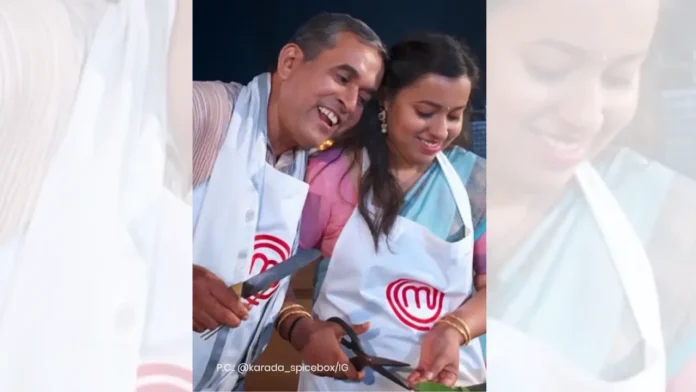
Karada cuisine entered the show MasterChef India when contestants spoke about their roots and presented dishes from their community. It was not part of a fixed challenge. Rather, it emerged naturally during storytelling and cooking presentations.
In some moments, judges showed curiosity about lesser-known regional cuisines. This created space for Karada food to be discussed and appreciated.
Not a Standard Recipe Category
Unlike popular dishes such as biryani or chaat, Karada food was never treated as a defined category. There was no specific “Karada recipe challenge” or episode dedicated to it.
This is mainly because Karada is not a single dish. It is a broader cooking style that includes multiple traditional preparations.
Why Karada Cuisine Remains Less Visible on the Show
1. It is a Culinary Tradition, Not One Dish
MasterChef usually focuses on:
- One dish at a time
- Clear techniques and presentation
Karada cuisine, on the other hand, represents a complete food philosophy. It includes simple, seasonal, and community-based recipes. This makes it harder to package into one challenge.
2. Show Format Favors Innovation
The show often highlights:
- Fusion cooking
- Modern plating
- Creative twists
Karada cuisine follows a different approach. It values simplicity, natural taste, and traditional methods. Because of this, it appears less frequently in competitive formats.
What This Tells Us About Karada Cuisine
Even though it is not widely featured, its presence on MasterChef India is still important.
It shows that:
- Regional cuisines are gaining attention
- Home-style cooking has a strong cultural value
- Lesser-known traditions like Karada are slowly reaching wider audiences
Final Thoughts
Karada cuisine did not become a headline feature on MasterChef India. Still, it found its place through authentic storytelling and regional pride.
This subtle presence matters. It highlights how Indian food is not just about famous dishes. It is also about hidden traditions that carry deep cultural meaning.
In simple words, Karada cuisine may not dominate the screen, but it quietly represents the richness of India’s diverse food heritage.

