


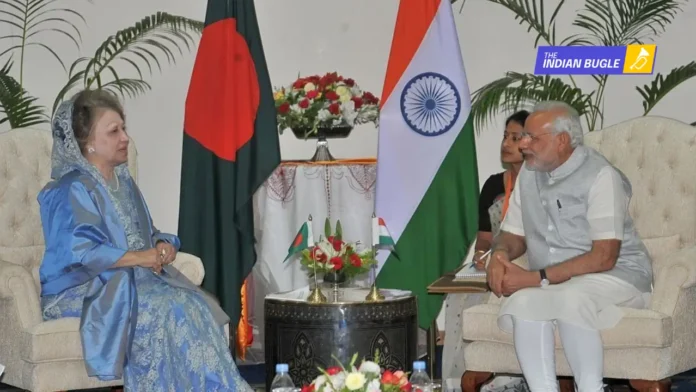
Khaleda Zia, one of the most influential political leaders in Bangladesh, has passed away after a prolonged illness. Her death marks the end of an era in the country’s politics. As a former prime minister and long-time chairperson of the Bangladesh Nationalist Party (BNP), she shaped national politics for decades through leadership, rivalry, and resilience. This article outlines her political journey, key achievements, major controversies, and the impact of her passing on Bangladesh’s future.
Early Life and Political Rise
Khaleda Zia entered public life after the assassination of her husband, President Ziaur Rahman, in 1981. She gradually took charge of the BNP and emerged as a powerful political voice. Over time, she built strong grassroots support and positioned herself as a central figure in opposition politics.
First Tenure as Prime Minister (1991–1996)
In 1991, Khaleda Zia led the BNP to victory in a landmark election. She restored parliamentary democracy after years of presidential rule. Her government focused on economic reforms and institutional stability. However, political rivalry with the Awami League intensified during this period.
Second Tenure as Prime Minister (2001–2006)
Khaleda returned to power in 2001. Her second term promoted infrastructure development and private investment. At the same time, allegations of corruption, political violence, and administrative weakness dominated public debate. Political polarization deepened further.
Legal Troubles and Political Setbacks
After 2006, Khaleda Zia faced multiple legal cases that restricted her political activity. Court convictions weakened the BNP’s organisational strength. Meanwhile, prolonged legal battles and health issues kept her away from active politics for years.
Later Years and Limited Political Comeback
In recent years, changes in the political environment allowed limited engagement from her side. The return of her son, Tarique Rahman, revived internal momentum within the BNP. Still, the party struggled to regain its former national influence.
Death and Immediate Political Impact
Khaleda Zia’s death has triggered widespread reactions across Bangladesh. Supporters mourn the loss of a mass leader. Politically, the BNP now faces an urgent leadership transition. The opposition landscape is expected to undergo significant realignment.
Legacy and Public Perception
Supporters credit her for defending multi-party democracy and representing rural and conservative voters. Critics point to governance failures and confrontational politics. Despite divisions, her role in shaping modern Bangladesh remains undeniable.
Regional and International Significance
Her passing has drawn attention across South Asia. Regional governments and international observers are closely watching Bangladesh’s political direction following the loss of one of its most prominent leaders.
Conclusion
Khaleda Zia’s life reflected the intense, competitive nature of Bangladeshi politics. Her death closes a defining chapter in the nation’s political history. The direction Bangladesh takes next will depend on how political institutions and leaders respond to this transition.

