


In recent months, discussions around LPG availability and rising energy costs have drawn attention across India. Liquefied Petroleum Gas remains the primary cooking fuel for millions of households. However, supply disruptions, logistical issues, and increasing demand have created concerns in several regions. In some places, delayed cylinder deliveries and rising refill prices have forced families to rethink how they cook daily meals. As a result, many households now look for reliable alternatives that can reduce dependence on LPG cylinders. Modern kitchen technology offers several such options. These appliances use electricity, renewable energy, or alternative fuels. They also help families maintain uninterrupted cooking even when LPG supply becomes uncertain.
Induction Cooktops: Efficient and Fast Cooking
Induction cooktops have become one of the most popular LPG alternatives in urban homes. These appliances use electromagnetic technology to heat cookware directly rather than heating the surface. As a result, energy efficiency improves significantly. Food cooks faster, and heat loss remains minimal. Induction stoves also include temperature controls and safety systems that automatically switch off when cookware is removed. Many households prefer them because they consume less electricity compared to traditional electric stoves. However, induction cooking requires compatible utensils made of stainless steel or cast iron.
Electric Coil Stoves and Hot Plates
Electric coil stoves, often called hot plates, provide a simple and affordable alternative to LPG cooking. These appliances contain metal heating coils that warm up when electricity passes through them. Once heated, they transfer heat to the cooking vessel. Electric hot plates are widely used in hostels, rented apartments, and small kitchens where installing gas cylinders becomes inconvenient. They work with almost every type of cookware, which makes them practical for everyday use.
Infrared Cooktops: Flexible Electric Cooking
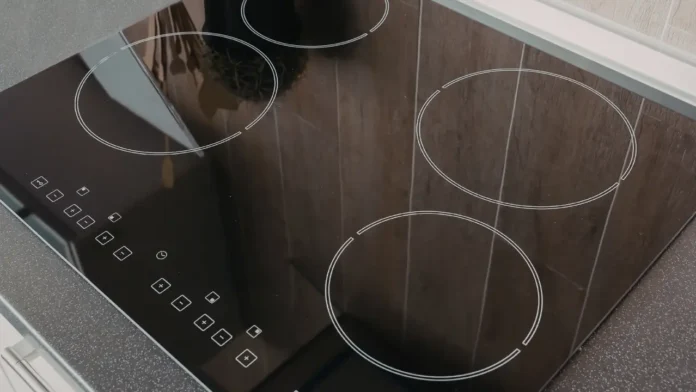
Infrared cooktops combine the convenience of electric cooking with the versatility of traditional stoves. Instead of electromagnetic fields, these cooktops use infrared radiation to produce heat beneath a ceramic glass surface. Unlike induction stoves, they work with all types of cookware including aluminum, glass, and clay pots. Infrared stoves heat quickly and maintain steady temperatures, making them suitable for frying, boiling, and sautéing.
Microwave Ovens for Quick Cooking
Microwave ovens play an important role in modern kitchens, especially when speed matters. These appliances use microwave radiation to excite water molecules inside food. As the molecules vibrate, heat generates and cooks the food from within. While microwaves cannot completely replace traditional cooking methods, they help with reheating, steaming vegetables, and preparing simple dishes. Many households rely on microwaves to reduce gas usage during busy schedules.
Electric Pressure Cookers and Multi-Cookers
Electric pressure cookers have gained popularity because they combine several cooking functions in one appliance. These devices can prepare rice, lentils, soups, curries, and steamed dishes with minimal supervision. Users simply add ingredients, select the cooking mode, and allow the appliance to complete the process automatically. Because they seal heat inside the chamber, they cook food quickly and consume less energy. For families seeking an LPG alternative for daily meals, electric pressure cookers offer a convenient solution.
Solar Cookers: Renewable Energy for Rural Areas
Solar cookers use sunlight to generate heat for cooking. These devices trap solar energy through reflective surfaces and concentrate it inside an insulated cooking chamber. Although solar cooking takes longer than conventional methods, it eliminates fuel costs completely. In sunny regions of India, solar cookers provide an environmentally friendly option for preparing rice, vegetables, and pulses. Rural communities often adopt them as a supplementary cooking method.
Air Fryers for Oil-Free Cooking
Air fryers have emerged as a popular appliance in modern kitchens. Instead of deep frying food in oil, they circulate hot air around the ingredients. This process creates a crispy texture similar to frying but uses very little oil. Air fryers cannot replace gas stoves entirely. However, they reduce cooking time for snacks, vegetables, and frozen foods. Many households use them alongside other electric cooking appliances to minimize LPG usage.
Rice Cookers: Simple and Reliable
Rice cookers remain one of the most practical electric appliances for Indian kitchens. These devices automatically cook rice using controlled heating and moisture sensors. Once the rice finishes cooking, the appliance shifts to a warming mode. Modern rice cookers can also prepare dishes such as pulao, porridge, and steamed vegetables. Because rice forms a staple food in many households, electric rice cookers significantly reduce gas consumption.
Electric Grills and Sandwich Makers
Electric grills and sandwich makers offer another convenient alternative for certain types of cooking. These appliances heat metal plates that grill vegetables, meat, or bread. They are particularly useful for preparing breakfast items such as toasted sandwiches, grilled paneer, and snacks. While they do not replace gas stoves for all cooking tasks, they reduce the need for LPG during quick meals.
Biomass and Pellet Stoves
In several rural areas, improved biomass stoves and pellet-based cookers have become viable alternatives. These appliances burn compressed biomass pellets made from agricultural waste or organic material. Compared to traditional wood stoves, pellet cookers produce less smoke and burn fuel more efficiently. They also help reduce dependence on LPG cylinders in areas where electricity remains unreliable.
Choosing the Right LPG Alternative
Each alternative appliance offers unique advantages. Electric appliances such as induction stoves and pressure cookers suit urban homes with stable electricity supply. Solar cookers and biomass stoves work well in rural or off-grid areas. Meanwhile, appliances like air fryers and rice cookers complement other cooking methods and reduce overall gas consumption. Households often combine multiple appliances to create a flexible cooking system.
The Future of Cooking in India
As energy demand continues to rise, India may witness a gradual shift toward diverse cooking technologies. Government initiatives promoting clean energy, along with advancements in electric appliances, will likely accelerate this transition. While LPG will remain an important cooking fuel, modern alternatives provide valuable backup solutions. By adopting a mix of technologies, households can ensure uninterrupted cooking, reduce fuel costs, and contribute to a more sustainable future.

