


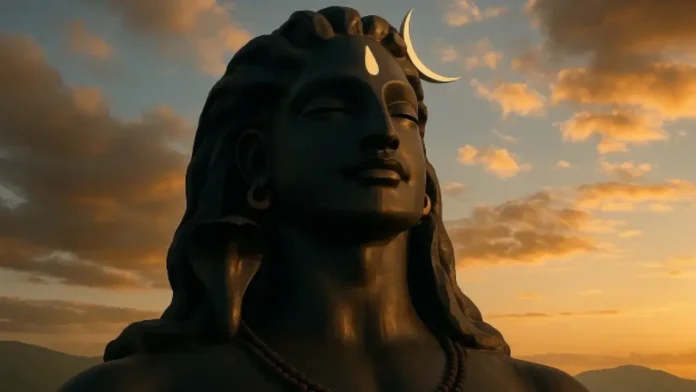
Maha Shivratri does not invite celebration. It invites awareness. Observed once a year, this night shifts attention from rituals to inner discipline. For centuries, yogic traditions have treated it as the most powerful night for self-transformation. That is why many spiritual practitioners call it World Yogi Day, even though the name has no official stamp.
Who Shiva is in the yogic tradition
In yogic understanding, Shiva is not only a god. He is the Adi Yogi, the first yogi. He represents the peak of human possibility. He mastered the body. He disciplined the breath. He dissolved the restless mind. This image of Shiva matters because Maha Shivratri celebrates this yogic attainment, not a divine event.
Why Maha Shivratri is different from other festivals
Most festivals mark stories. Maha Shivratri marks a state of being. There are no grand feasts. There is no outward joy. Instead, there is fasting, silence, meditation, and wakefulness. The focus stays on awareness. The night reminds people that liberation comes through discipline, not indulgence.
The yogic reason behind the night
Yogic science links Maha Shivratri to a natural rise in energy. On this night, the planetary alignment supports the upward movement of energy within the human system. The spine becomes more receptive. Awareness deepens naturally. This is why yogis advise people to stay awake and sit upright. The goal is not devotion alone. The goal is inner alignment.
Why meditation matters more than ritual
Rituals help the mind settle. Meditation changes the mind. On Maha Shivratri, meditation takes priority. Chanting, silence, and breath awareness dominate the night. The practice is simple. Keep the body light. Keep the spine erect. Keep the mind alert. The night rewards stillness.
Why is it called World Yogi Day
The phrase “World Yogi Day” reflects meaning, not declaration. Maha Shivratri honours the yogi ideal. It celebrates mastery over impulses. It respects inner balance over outer success. While the United Nations recognises June 21 as the International Day of Yoga, Maha Shivratri speaks to yoga’s spiritual core rather than its physical form.
The science-meets-spirituality angle
Modern wellness talks about focus, calm, and mental resilience. Maha Shivratri offered these ideas long ago. Staying awake increases alertness. Fasting sharpens awareness. Silence reduces mental noise. Together, they create clarity. This is not blind belief. It is a disciplined observation.
How Maha Shivratri is traditionally observed
People fast or eat lightly. They avoid sleep. They meditate through the night. Many keep silent. Offerings remain minimal. The simplicity matters. It prevents distraction. It directs energy inward. The night becomes a tool, not a spectacle.
Why the idea resonates today
Modern life pulls attention outward. Anxiety rises. Focus weakens. Maha Shivratri offers an opposite path. It asks for pause. It invites stillness. It promotes control over reaction. That is why younger generations increasingly relate to it as a yogic night, not just a religious one.
A quiet lesson for the modern world
Maha Shivratri does not promise miracles. It offers responsibility. It tells people to work on themselves. Calling it World Yogi Day highlights this message. It reminds humanity that true strength comes from inner order, not external power.
Maha Shivratri is not about asking Shiva for answers. It is about becoming like the yogi Shiva represents. That is its power. That is its relevance. Whether one calls it World Yogi Day or not, the night stands as a reminder that transformation begins within.

