


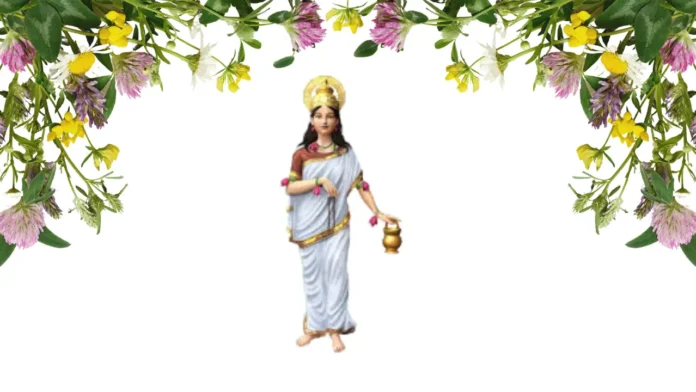
Navratri is not just a festival—it is a gradual spiritual journey. As the celebrations move into the second day, the focus shifts inward. Navratri Day 2 (Dwitiya) is dedicated to Maa Brahmacharini, a form that symbolizes penance, discipline, and unwavering devotion.
This day encourages devotees to slow down, reflect, and strengthen their inner resolve. It is about building the mental and spiritual foundation needed for transformation.
Who is Maa Brahmacharini?
Maa Brahmacharini represents the unmarried form of Goddess Parvati during her phase of intense meditation and austerity to attain Lord Shiva. Her story is one of dedication and sacrifice, where she performed severe penance for years with complete focus and faith.
She is depicted in a simple yet powerful form:
- Holding a jap mala in her right hand
- Carrying a kamandal (water pot) in her left hand
- Walking barefoot symbolizes humility and endurance
Her calm and radiant appearance reflects inner peace and strength. She teaches that real power lies in patience, consistency, and self-control.
Navratri Day 2 in 2026
- Date: 20 March 2026
- Tithi: Dwitiya
- Goddess Worshipped: Maa Brahmacharini
- Auspicious Color: Green (represents growth, harmony, and renewal)
Spiritual Significance of Day 2
The second day of Navratri emphasizes tapasya (discipline through effort). While Day 1 marks the beginning, Day 2 deepens the commitment.
Worshipping Maa Brahmacharini is believed to:
- Strengthen determination and willpower
- Bring emotional stability
- Help overcome obstacles through patience
This day teaches a subtle but powerful truth:
Lasting success comes from sustained effort, not quick results.
Puja Vidhi (Step-by-Step Rituals)
1. Morning Preparation
Start the day early with a clean body and mind. Wear fresh clothes, preferably in green or white, and prepare a peaceful पूजा space.
2. Invocation of the Goddess
Light a diya and incense sticks. Sit quietly and focus on Maa Brahmacharini, inviting her presence with sincerity.
3. Offerings (Bhog)
Offer simple and pure items such as:
- Sugar or mishri
- Fresh fruits
- Flowers
These symbolize purity and sweetness in life.
4. Mantra Chanting
Chant the mantra:
ॐ देवी ब्रह्मचारिण्यै नमः
This helps improve concentration and strengthens spiritual connection.
5. Aarti and Prayer
Perform aarti with devotion and seek blessings for patience, wisdom, and strength to face life’s challenges.
Importance of Fasting (Vrat)
Fasting on this day is a practice of self-discipline, not just dietary restriction.
Devotees usually:
- Consume fruits and sattvic food
- Avoid onion, garlic, and processed items
The deeper purpose is to:
- Cleanse the body
- Calm the mind
- Improve focus and awareness
In essence, fasting becomes a tool for inner control and clarity.
Symbolism and Life Lessons
Maa Brahmacharini represents a transformative journey:
- From distraction to focus
- From desire to discipline
- From weakness to strength
Her life reflects a universal principle:
Consistency and patience can achieve what force cannot.
Psychological and Spiritual Relevance
In today’s fast-paced world, this day holds practical relevance. It reminds us to:
- Slow down and reflect
- Build mental resilience
- Stay committed to long-term goals
People dealing with stress, confusion, or lack of direction can find guidance in her energy of calm perseverance.
What to Avoid on Day 2
To align with the spirit of the day:
- Avoid negative thoughts and anger
- Stay away from distractions and laziness
- Follow a simple and mindful routine
The focus should remain on clarity, discipline, and positivity.
Conclusion
Navratri Day 2 is not just about worship—it is about self-mastery. Maa Brahmacharini teaches that true strength is quiet, steady, and rooted in discipline.
As the Navratri journey unfolds, this day lays the groundwork for deeper spiritual growth. It encourages us to stay committed, patient, and focused—qualities that lead to both inner peace and outer success.

