


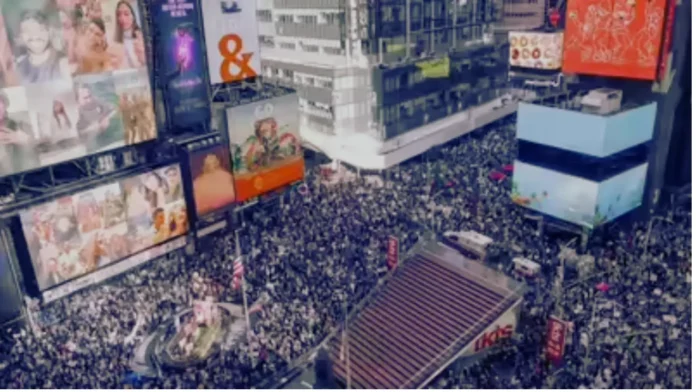
Millions of people stepped onto the streets across the United States and parts of Europe. They marched under one slogan—“No Kings.”
More than 3,000 protests took place across all 50 U.S. states. The scale was massive. It became one of the largest coordinated protest days in American history.
At the same time, solidarity marches appeared in cities like London, Paris, and Berlin.
The message was direct. Protesters rejected what they see as a shift toward centralized and unchecked power.
Understanding the Meaning of “No Kings”
The phrase carries deep historical weight. It comes from the idea that democracy rejects monarchy.
In simple terms, it means no leader stands above the law. Power must stay accountable. Institutions must remain independent.
Protesters used this slogan to argue that the presidency should not resemble rule by a single dominant authority.
Why Did These Protests Erupt Now?
Growing Fear of Authoritarianism
Many participants believe the administration has crossed democratic limits.
They point to extensive use of executive power, pressure on institutions, and an aggressive governance style.
These concerns formed the emotional core of the protests.
The Iran Conflict as a Trigger
The ongoing conflict involving Iran played a key role.
Critics argue that the decision increased global risk and raised fears of escalation.
As a result, the issue became a major mobilizing factor.
Immigration Crackdowns
Immigration policies became another flashpoint.
Strict enforcement and controversial actions by federal agencies angered many communities.
In several places, protests directly linked to immigration issues drew large crowds.
Economic and Social Pressures
People also expressed frustration over rising costs, healthcare concerns, and civil rights issues.
Because of this, the movement expanded beyond a single issue and gained wider support.
How Big Is the Movement, Really?
This was not the first “No Kings” protest. The movement has grown steadily over time.
Earlier demonstrations already drew millions of participants.
The March 2026 protests reached an even broader audience, including smaller towns and rural areas.
This wider participation shows that the movement now cuts across geography and demographics.
Who Is Behind the Movement?
The protests do not follow a single leader. Instead, a network of grassroots groups and activists drives them.
This decentralized structure allows rapid coordination and local participation.
It also makes the movement more resilient and adaptable.
What Happened on the Ground?
The protests remained largely peaceful. Large crowds gathered in major cities such as New York, Washington D.C., and Los Angeles.
At the same time, smaller cities and towns also saw strong participation.
However, a few locations reported clashes and arrests. Despite that, the overall focus stayed on civic expression and public engagement.
Why Did the Movement Spread to Europe?
The protests quickly moved beyond U.S. borders.
American expatriates organized parallel rallies. At the same time, international groups expressed concern about political developments in the United States.
This shows how domestic politics can now influence global public opinion.
Political Reactions and Polarization
The protests triggered strong reactions from both sides.
Supporters described them as a defense of democracy.
Critics viewed them as politically motivated or exaggerated.
This divide highlights growing polarization, where the same event leads to sharply different interpretations.
What Does This Mean for the Future?
Rising Civic Mobilization
The scale of participation shows that public engagement is increasing. More people are willing to speak out and organize.
Pressure on Upcoming Elections
Large protests can shape political narratives. They may influence voter turnout and campaign strategies in future elections.
A Continuing Movement
Organizers have already indicated that the protests will continue.
This suggests that “No Kings” is evolving into a long-term movement rather than a one-time event.
Final Takeaway
The “No Kings” protests go beyond one leader or one policy.
They reflect a deeper debate about power, accountability, and the role of institutions in a democracy.
Millions of people marching across continents send a clear message. Citizens want balance, transparency, and limits on authority.

