


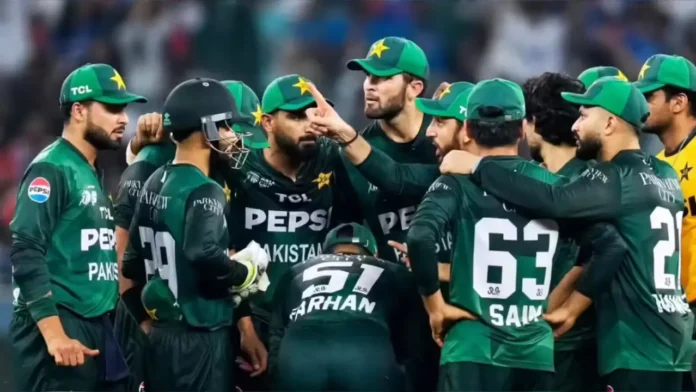
The possibility of Pakistan boycotting the T20 World Cup 2026 has unsettled world cricket. While the move is being discussed as a political response, the real consequences extend far beyond headlines. This decision would strike at contracts, revenue streams, player careers, and Pakistan’s standing in international cricket.
This is not about one tournament. It is about long-term damage.
Why the Boycott Discussion Began
The situation escalated after Bangladesh was removed from the tournament and replaced by Scotland. Pakistan expressed solidarity and moved the matter into political consultation. Meetings between cricket officials and government leaders delayed clarity, creating uncertainty just weeks before the event.
Once a team names its squad, withdrawal stops being symbolic. It becomes contractual.
ICC Rules Leave Little Flexibility
The International Cricket Council requires every participating nation to sign a tournament participation agreement. This document is binding and protects the competition from late exits.
If Pakistan withdraws after signing:
The ICC can declare a breach.
Financial distributions can be frozen.
Further disciplinary action becomes possible.
At this stage, the ICC’s priority would be protecting the tournament, not accommodating protest.
The Immediate Financial Reality
The India–Pakistan match is the biggest commercial asset in global cricket. It drives television ratings, digital engagement, sponsorship premiums, and ticket demand.
Without Pakistan:
Broadcasters lose peak viewership.
Advertising value drops sharply.
Global buzz around the tournament weakens.
This loss directly affects the ICC’s revenue pool, which in turn impacts all member boards, especially those heavily dependent on central funding.
Why Pakistan Stands to Lose the Most
The Pakistan Cricket Board relies heavily on ICC income. Unlike wealthier boards, it lacks strong bilateral revenue protection.
A boycott would result in:
Loss of ICC revenue share
Sponsor uncertainty and withdrawals
Reduced exposure for players
Cuts to domestic cricket investment
The damage would be internal and long-lasting.
Risk of ICC Sanctions
The ICC has historically acted against boards where politics interfered with cricket administration.
If Pakistan’s withdrawal appears government-driven:
Suspension from ICC events becomes possible
Voting influence within ICC bodies may reduce
Future participation conditions may tighten
Even temporary sanctions would set Pakistan back years.
Asia Cup and Regional Consequences
Regional cricket bodies usually align with ICC positions. A boycott could weaken Pakistan’s role in Asian cricket.
Possible outcomes include:
Exclusion from future Asia Cups
Loss of influence in regional decision-making
Reduced scheduling opportunities
This would shrink Pakistan’s competitive calendar further.
Pakistan Super League Faces Collateral Damage
The Pakistan Super League is Pakistan cricket’s strongest commercial product. Its success depends on overseas players.
If Pakistan disrupts a global ICC event:
Foreign boards may hesitate to issue No Objection Certificates
Star international players may skip the PSL
Broadcast and sponsorship value could decline
A weakened PSL would directly hurt PCB finances.
What Happens to the World Cup
From the tournament’s perspective, the World Cup would continue.
The ICC would:
Replace Pakistan with the next eligible team
Rework groups and fixtures
Protect broadcast commitments
The event survives, but without its most intense rivalry.
Impact on India and Host Nations
The Board of Control for Cricket in India would face limited disruption. Indian matches still guarantee packed stadiums and massive viewership.
However:
The absence of India–Pakistan reduces global excitement
Neutral fans lose the tournament’s emotional core
Still, commercially, the event remains viable.
Fans and Players Pay the Price
Fans lose the most anticipated clash in cricket. Players face uncertainty over careers, contracts, and global exposure.
For players, a boycott means:
Fewer high-pressure matches
Lower brand value
Lost income opportunities
Cricketing careers do not pause for politics.
Politics vs Cricket Economics
Cricket in South Asia often collides with politics. Yet history shows that economic reality usually prevails.
World Cups are built on:
Broadcast contracts
Sponsor obligations
Global calendars
Walking away rarely ends well.
What Is Most Likely to Happen
A complete boycott remains unlikely.
More realistic outcomes include:
Last-minute diplomatic compromise
Conditional participation
Quiet negotiations away from public view
The cost of withdrawal is simply too high.
Final Verdict
If Pakistan boycotts the T20 World Cup 2026:
The tournament goes on
The ICC enforces discipline
Pakistan absorbs financial and sporting damage
Fans lose a historic rivalry
In the end, the protest would hurt Pakistan cricket far more than it pressures the global game.
Cricket moves forward. Consequences remain.

