


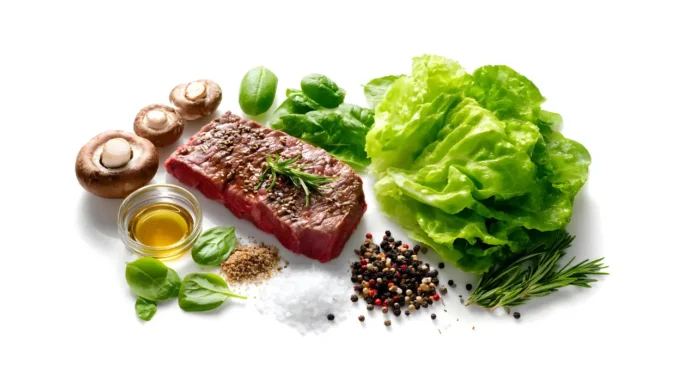
Protein plays a vital role in muscle repair, hormone production, immunity, and body growth. However, not all proteins work the same way in the body. The main debate is between plant protein and animal protein. Each type offers different benefits. Understanding these differences helps you make smarter food choices. This guide explains the science in simple terms and shows which protein works best in daily life.
What Defines Protein Quality?
Protein quality depends on three main factors:
- Essential amino acids
- Digestibility
- Absorption
High-quality protein provides all essential amino acids in the right proportion and is easily absorbed by the body. The better the amino acid balance, the more efficiently the body uses the protein.
Animal Protein: Nutritional Strength
Complete Amino Acid Profile
Animal proteins naturally contain all nine essential amino acids. Because of this, the body can use them efficiently for muscle repair and growth.
Common sources include:
- Eggs
- Milk
- Chicken
- Fish
- Meat
These foods support tissue repair and physical strength.
Higher Digestibility
Animal protein is easier for the body to digest and absorb. A larger portion of the protein becomes available for muscle building and body repair.
This makes animal protein especially useful for:
- Growing children
- Athletes
- Elderly people
Better Muscle Growth Support
Animal proteins contain higher amounts of leucine and other amino acids that stimulate muscle growth. As a result, muscle recovery tends to be faster.
Extra Nutrients
Animal protein also supplies important nutrients such as:
- Vitamin B12
- Iron
- Zinc
- Omega-3 fats
These nutrients support brain function and blood health.
Limitations of Animal Protein
Higher Fat Content
Some animal foods contain high levels of saturated fat. Excess intake may increase cholesterol levels.
Risk of Overconsumption
Too much red and processed meat may affect long-term health.
Not Suitable for Vegetarians
Animal protein cannot be used by people following vegetarian or vegan diets.
Plant Protein: Nutritional Strength
Rich in Protective Nutrients
Plant proteins provide fiber, antioxidants, and minerals. These nutrients support digestion and heart health.
Common plant protein sources include:
- Lentils
- Chickpeas
- Soybeans
- Beans
- Nuts
- Seeds
Better for Weight Control
Plant proteins often contain less fat and fewer calories. At the same time, fiber keeps you full longer. This helps control appetite.
Supports Long-Term Health
Plant-based diets support healthy cholesterol levels and stable blood sugar. They also improve digestion.
Environment-Friendly
Plant protein production requires fewer natural resources than animal protein production.
Limitations of Plant Protein
Incomplete Amino Acid Profiles
Many plant proteins lack one or more essential amino acids. This does not mean plant protein is poor. It only means different plant foods must be combined.
Lower Absorption
Plant proteins digest more slowly because of fiber and natural compounds in plants.
Larger Quantity Required
People may need slightly larger portions of plant protein to meet daily protein needs.
How to Get All Essential Amino Acids from Plant Foods
Plant protein can become complete when different foods are combined. Each plant food provides different amino acids. When eaten together, they supply all essential amino acids.
This method is called protein complementation.
Best Plant Protein Combinations
Grains + Pulses
Grains lack lysine but contain methionine. Pulses contain lysine but lack methionine. Together they form complete protein.
Examples:
- Rice + dal
- Roti + chana
- Khichdi
- Idli + sambar
- Dal + bread
These combinations are traditional because they naturally provide balanced amino acids.
Pulses + Nuts or Seeds
Nuts and seeds improve amino acid balance and add healthy fats.
Examples:
- Chana + peanuts
- Dal + sesame seeds
- Hummus + sesame paste
Soy-Based Foods
Soy is one of the best plant proteins because it contains all essential amino acids.
Examples:
- Soybeans
- Tofu
- Soy milk
- Soya chunks
Soy works almost like animal protein in quality.
Mixed Plant Diet
Eating different plant proteins throughout the day also works. They do not need to be eaten in one meal.
Example daily plan:
- Breakfast: Peanut butter with bread
- Lunch: Rice and dal
- Dinner: Roti with beans
- Snacks: Nuts or roasted chana
This approach easily provides all essential amino acids.
Can Plant Protein Match Animal Protein?
Plant protein can support muscle growth and health if total intake is adequate. A well-planned plant diet can provide complete nutrition. The key is variety and sufficient quantity.
Which Protein Is Better?
For Muscle Building
Animal protein works slightly better because:
- Faster absorption
- Higher amino acid density
- More leucine
For Long-Term Health
Plant protein offers advantages such as:
- Better digestion
- Lower fat intake
- Improved heart health
For Balanced Nutrition
A mixed diet often works best. Combining plant and animal protein provides complete nutrition and supports overall health.
Practical Daily Examples
Balanced protein meals include:
- Dal and rice
- Paneer and roti
- Milk and nuts
- Eggs and vegetables
- Soy chunks and chapati
These meals provide steady protein and balanced nutrition.
Final Verdict
Animal protein provides higher-quality protein and faster absorption. Plant protein supports long-term health and digestion. A balanced diet that includes both types works best. However, a well-planned plant diet can fully meet protein and amino acid needs.

