


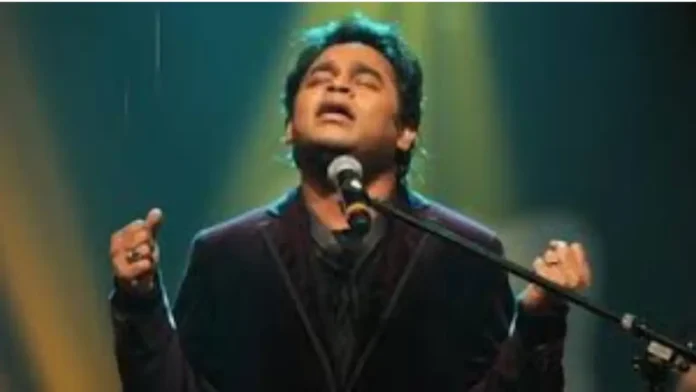
The Hindi film music world is changing fast. One of India’s most respected composers, AR Rahman, recently shared honest thoughts about this shift. He talked about fewer offers, changing decision-makers, and a bigger role for business forces. This is not just one artist’s story. It reflects a deeper shift in how music is valued and chosen in the industry today.
The Shift in Who Calls the Shots
Rahman explained that in the past, music decisions were made by people who truly cared about sound and emotion. These were artists or music directors who understood music deeply. Today, he feels the decision-making has moved to people whose strength lies in business, not creativity. These new decision-makers think differently. They focus on trends, numbers, and what feels safe.
Rahman shared that sometimes producers want him on a project. But music companies step in and choose other composers instead. This change has reduced the number of projects coming his way. Instead of frustration, Rahman chose peace. He said he will take time with family and enjoy a slower pace.
Is There More Than Just Business?
Although Rahman did not directly name any bias, he suggested that sometimes decisions may carry unspoken undertones. He didn’t accuse anyone. Instead, he pointed out that decisions today may not be rooted in pure creativity. They may be influenced by factors artists do not control.
Rahman was the first South Indian composer to thrive in Bollywood. He broke barriers with talent and hard work. His words now prompt a larger question: When business replaces art at the top, where does that leave true artists?
A Grey Area in Music Decisions
Legendary singer Hariharan offered a different tone. He did not say things are clearly good or bad. Instead, he called the situation a “grey area.” According to him, the issue is not simple. He said the industry needs more people who understand real music. These people should guide decisions, not just labels or marketers.
Hariharan stressed that music must come first. You cannot build lasting music if you start with money. Creativity should lead. Money should follow. For him, this balance is missing today.
An Evolving Landscape
Composer and singer Leslie Lewis agreed that the industry has changed. However, he did not see this change as negative or planned. He said it happened naturally as new technology emerged. Platforms like YouTube and Instagram gave artists a new space to create. At the same time, these platforms changed how success gets measured.
In the past, music decisions were made by those with years of experience. Today, many decisions come from teams focused on reach, pace, or virality. According to Lewis, corporate thinking now plays a big role. Decision-makers often look for what sells fastest, not what lasts longest.
The Role of Digital Platforms
Digital platforms have had a huge influence on music. They let artists build followings without traditional labels. This shift brought freedom but also new pressures. Now, numbers matter more. Likes, shares, and subscriber counts can drive decisions. This can benefit emerging artists. Yet it can also make creative risks harder.
Lewis said that platforms helped artists become independent. At the same time, these platforms introduced a business mindset. This mindset values metrics over musical depth. The result is more music, but not always more meaningful music.
A New Hope: Artist-Led Movements
Despite concerns, many musicians see a hopeful path ahead. They believe artists can shape a new system. One such path is artist-led platforms that focus on ownership and collaboration.
A new platform called Goongoonalo launched with this belief. It aims to empower musicians, composers, and lyricists. The idea is simple: let artists share ownership of their work. This platform began with 100 original tracks. More importantly, it gives creators equal voice and stake in their music.
Rahman, Hariharan, and Lewis see such efforts as a chance to bring art back to the center. They believe that when artists control their work, creativity will flourish. Money will follow great art, not lead it.
What This Means for the Future
The Indian music landscape is in a moment of change. Old systems are breaking. New systems are emerging. Business forces and digital trends are strong. Yet the heart of music remains in creativity.
If artists can reclaim influence, music can find new depth. The industry must balance numbers with heart. It must value art and not just sales. And it must give experienced musicians a voice at the table.
This shift is not easy. But it is necessary. The future of Bollywood music may depend on it.

