


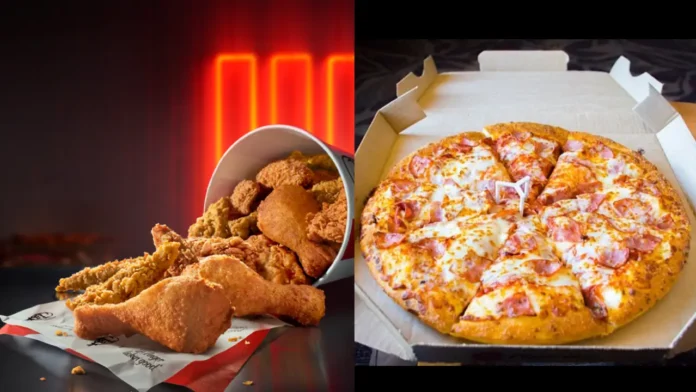
India’s quick-service restaurant sector enters a new phase in 2026. Devyani International and Sapphire Foods India have announced a merger that will combine two major Yum! Brands franchise operators. The move aims to create a stronger, more efficient platform for brands such as KFC and Pizza Hut.
What the merger looks like
The deal follows a share-swap structure. Sapphire shareholders will receive shares of Devyani in a fixed ratio. After the merger, Devyani will remain the listed entity. Sapphire will merge into it. The combined business will operate close to 3,000 outlets across India and select international markets.
Why the companies decided to merge
First, costs have risen across the QSR industry. Second, store expansion needs deeper capital and tighter execution. Third, duplication in supply chains and back-office operations limits efficiency. By merging, both companies aim to reduce overlap, gain purchasing power, and improve store-level margins.
Brands and operations under one roof
Both companies operate Yum! Brands franchises in different regions. Post-merger, KFC and Pizza Hut operations will come under one management structure. This allows unified menu planning, better vendor negotiations, and faster rollout of new formats. However, brand identities will remain separate at the customer level.
Financial impact and expected synergies
The merged entity expects meaningful cost savings over the medium term. These savings will likely come from procurement, logistics, technology platforms, and shared services. Management also expects better revenue performance through improved store productivity and coordinated marketing.
Stock market response
The announcement triggered immediate market interest. Investors viewed the deal as positive for scale and long-term competitiveness. As with most share-swap mergers, short-term stock movements reflected differing investor expectations. Over time, performance will depend on execution rather than structure.
Regulatory approvals and timeline
The merger still needs statutory approvals. These include shareholder consent, stock exchange clearance, competition review, and tribunal approval. The companies expect the process to take about a year. Full operational integration may extend beyond that.
Integration challenges to watch
Integration will test leadership. Systems must align. Supply chains must merge smoothly. Employee transitions must stay stable. Any delay could push back synergy benefits. Success depends on disciplined planning and clear accountability.
What this means for the QSR industry
This merger signals consolidation in India’s QSR space. Larger platforms now seek scale to protect margins and grow faster. Competitors will feel pressure to expand, partner, or optimize operations. For consumers, the impact may show in wider availability and more consistent service.
Conclusion
The Devyani–Sapphire merger marks a defining moment for India’s quick-service restaurant industry. The logic is clear. Scale, efficiency, and stronger execution sit at the core of the deal. If integration stays on track, the merged company could reshape the QSR landscape in the years ahead.

