


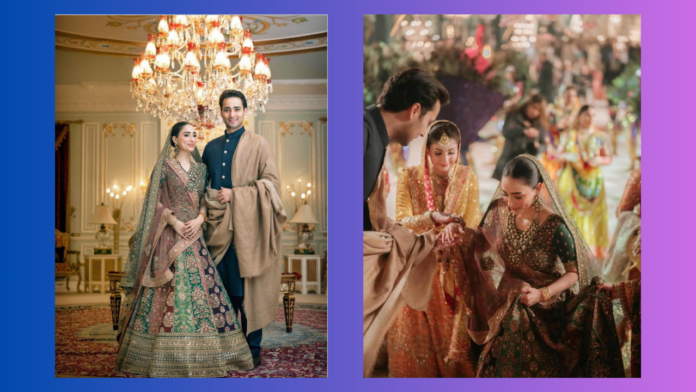
What was meant to be a private family celebration quietly slipped into the public spotlight. The wedding of Junaid Safdar, grandson of former Pakistani Prime Minister Nawaz Sharif, became one of the most talked-about social events—not because of politics or power, but because of fashion.
As images from the wedding began circulating online, attention swiftly shifted to the bride, Shanzay Ali Rohail. Her bridal wardrobe choices ignited a heated discussion across Pakistani social media, turning what should have been a personal moment into a national conversation about identity, culture, and choice.
The Bride and the Looks That Started It All
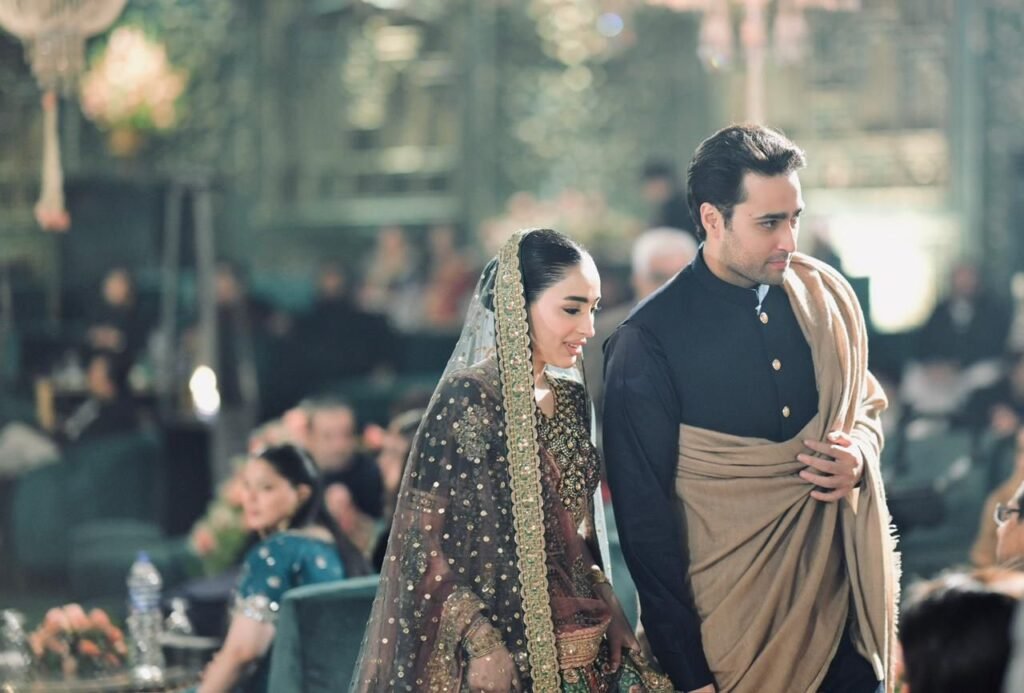
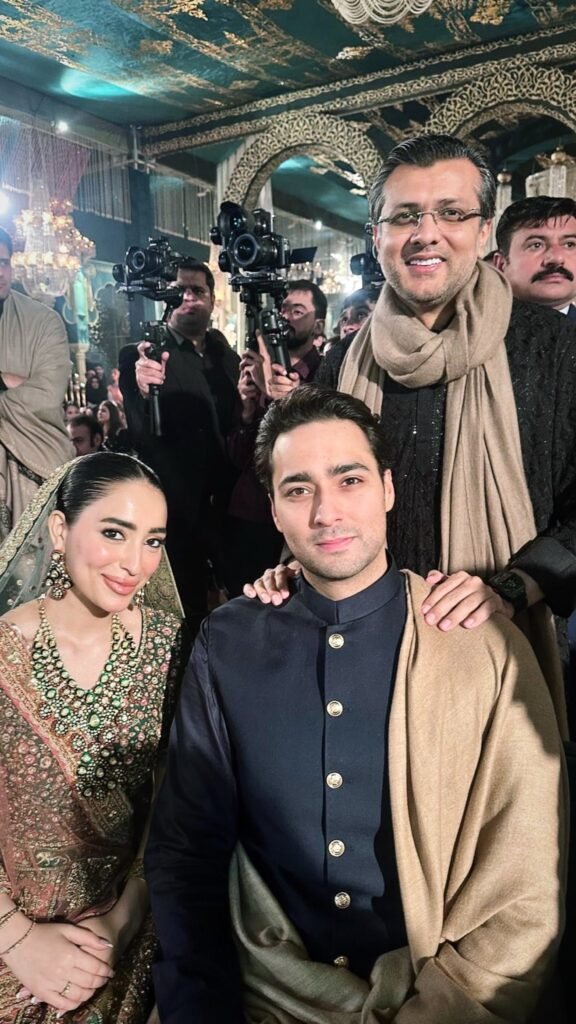
Shanzay Ali Rohail had largely stayed out of the public eye before her wedding. With no prior media presence or public commentary, she was virtually unknown outside close social circles. That anonymity vanished overnight once photographs from the celebrations surfaced online.
For her mehendi ceremony, Shanzay opted for a pastel lehenga designed by renowned Indian couturier Sabyasachi Mukherjee. The outfit featured delicate embroidery and a soft, understated palette, aligning seamlessly with the intimate tone of the event.
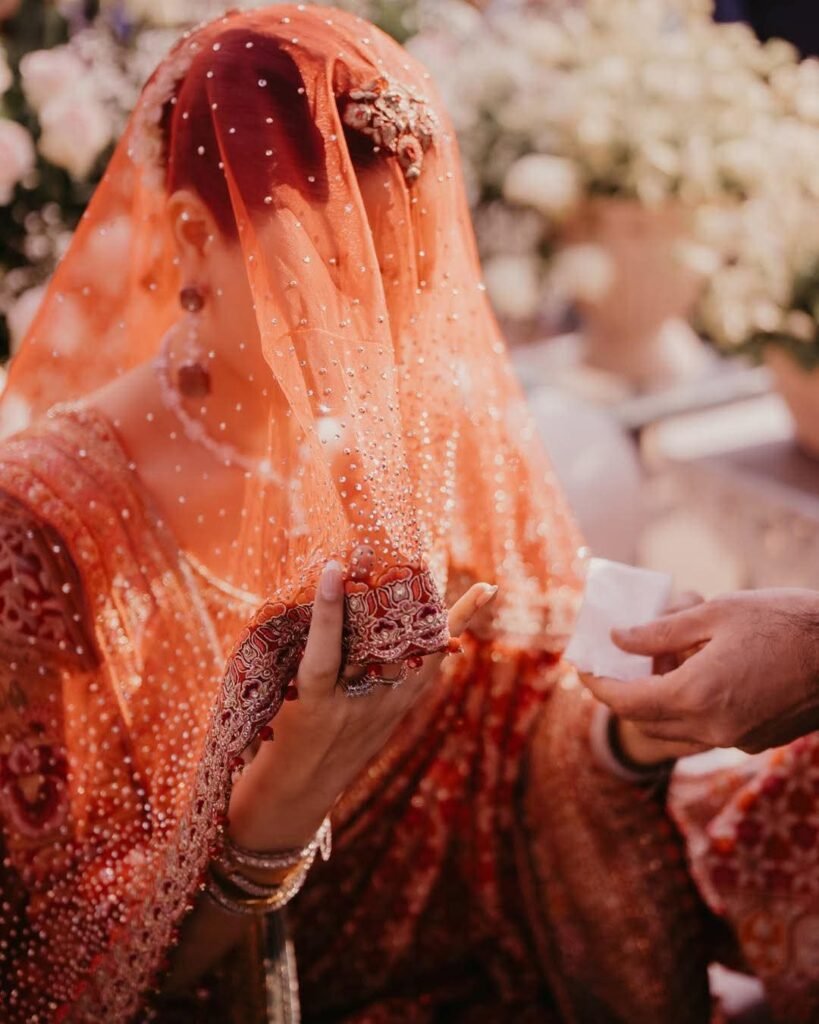
For the wedding ceremony, she reportedly wore a traditional red saree by another celebrated Indian designer, Tarun Tahiliani. Rooted in classic bridal aesthetics, the look balanced tradition with contemporary craftsmanship, earning praise for its elegance and restraint.
Why a Bridal Outfit Became a Controversy
The backlash did not arise from the quality or design of the outfits. Even critics acknowledged the craftsmanship. The controversy centered on one issue alone: the designers’ nationality.
A section of Pakistani social media users questioned why Indian designers were chosen over Pakistani fashion houses, particularly for a wedding linked to one of the country’s most prominent political families. For these voices, fashion was not just personal expression—it was a reflection of national identity.
Some critics went further, suggesting that wearing Indian designers at such a high-profile wedding was insensitive given the strained relationship between India and Pakistan. In their view, couture choices carried symbolic weight and should align with broader cultural expectations.
Support, Pushback, and the Larger Question
At the same time, a strong wave of support emerged in Shanzay Ali Rohail’s defense. Supporters argued that a bride’s wedding day is deeply personal and that fashion choices should not be subjected to political scrutiny. They emphasized that appreciation for art and craftsmanship has historically transcended borders, especially within South Asia’s shared cultural heritage.
Many also pointed out the double standard at play. Had the wedding belonged to a private, non-political family, the same outfits might have been celebrated rather than criticized. The intensity of the reaction, they argued, stemmed less from fashion and more from the family name attached to it.
Ultimately, the debate surrounding Shanzay Ali Rohail’s bridal attire reveals how fragile the boundary between the personal and the public has become. In an era of viral images and instant judgment, even aesthetic decisions are interpreted as statements.
Her wedding fashion choices transformed a joyful milestone into a cross-border conversation, underscoring a broader reality: today, fashion is no longer just about style. It sits at the intersection of identity, politics, and personal freedom—and for public families, even a wedding outfit can become a national talking point.

