


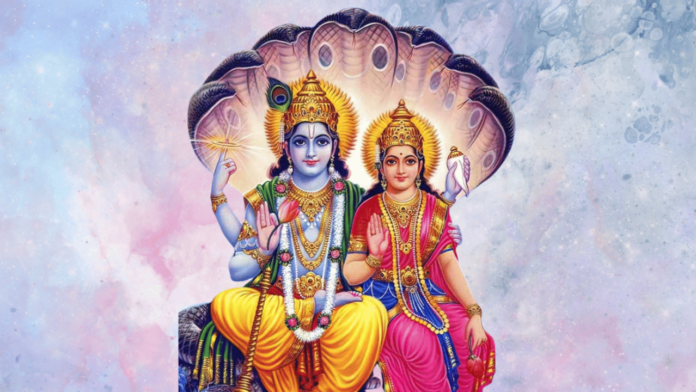
Shattila Ekadashi is observed during the Magha month’s Krishna Paksha. Devotees honour Lord Vishnu and perform special sesame (til) rituals. The fast and rituals promise purification, relief from past karmas, and spiritual merit. This guide distills scripture, tradition, and modern practice into simple, actionable steps. Read on to prepare and perform the vrat correctly.
According to the Vedic Panchang, the Tithi of Shattila Ekadashi will begin on January 13, 2026, at approximately 3:17 PM and will conclude on January 14, 2026, at around 5:52 PM. In Hindu tradition, the Udaya Tithi (the date prevailing at sunrise) is considered authoritative for observing fasts. Therefore, Shattila Ekadashi will be observed on Wednesday, 14 January 2026.
Significance in Brief
“Shat” means six, and “tila” means sesame. The vrat emphasizes six sesame-related practices believed to yield spiritual purification. Scriptures and folk tradition hold that sincere observance removes heavy sins and improves household well-being. Beyond ritual merit, Shattila fosters charity, restraint, and inner discipline.
The Six Sesame Practices (Shat-Til) — Core of the Vrat
- Til Snan (Sesame bath): Use water mixed with sesame or apply sesame-infused water for symbolic cleansing.
- Til Ubtan (Sesame paste): Apply a paste made of sesame as a purificatory anointing (optional, where customary).
- Til Havan (Sesame offering in fire): Offer sesame or sesame mixed with ghee into the sacred fire.
- Til Daan (Giving sesame): Donate sesame seeds, sesame sweets, or money to the needy and to brahmanas.
- Til Sevan (Consuming sesame): If one breaks a strict nirjala fast, accept sesame-based food at parana; otherwise offer sesame as prasad.
- Til Puja (Using sesame in worship): Offer sesame during Vishnu puja and include it in naivedya.
The Sacred Katha (Story) — Essence, Not Length
A common katha tells of a person who died and suffered due to unperformed duties and stinginess. Lord Vishnu then reveals that sincere Shattila observance, particularly sesame daan, frees the soul from suffering and grants great punya. Versions vary across regions, but the moral is consistent: charity and sacred ritual at Ekadashi bring lasting benefit.
Step-by-Step Vidhi (Practical Ritual Order)
- Prepare the day before: Keep sattvic food; sleep early; plan donations and puja items.
- Brahma muhurta and bath: Rise early and bathe. If customary, use sesame-mixed water.
- Set up altar: Place Vishnu’s image or idol on a clean cloth. Keep a small kalash, lamp, incense, flowers, and sesame in bowls.
- Invocation and sankalpa: Take a simple sankalpa (vow) aloud, stating your name, gotra (if you wish), intention to observe Shattila Ekadashi, and the vow type (nirjala/phalahar).
- Mantra and prayers: Chant “Om Namo Bhagavate Vasudevaya” and recite short Vishnu stotras or the Ekadashi katha.
- Perform the six sesame acts: Offer sesame in the havan or at the deity, donate sesame or equivalent, and, if prescribed locally, apply sesame ubtan or perform sesame bath.
- Arati and bhog: Offer light and naivedya (sesame-based sweet is preferred), then distribute prasadam.
- Maintain conduct: Spend the day in prayer, reading scriptures, and avoiding negative actions and speech.
- Parana on Dwadasi: Break the fast only during the parana muhurt given in the local panchang. Donate sesame or food at Parana.
Essential Puja Items (Checklist)
Place these near your altar: Vishnu picture or murti, sesame (til) in small bowls, ghee, diya (lamp), incense, fresh flowers, naivedya (preferably sesame sweets like til laddoo), a clean cloth, water in a kalash, rice for akshata, and a small donation packet for distribution.
Mantras and Short Prayers (Practical Use)
Chant the Vishnu naam: “Om Namo Bhagavate Vasudevaya” repeatedly. Offer a short prayer: “O Lord Vishnu, grant me purity of heart, the strength to give, and liberation from bondage.” Use simple, heartfelt words rather than long, complex recitals if you are new to the ritual.
Daan (Charity) and Practical Parana Rules
Sesame daan is central. Give sesame seeds, sesame sweets, pulses, grains, cash, or cooked food to needy people, brahmanas, or a temple. Parana must occur on Dwadasi at an auspicious time. If you are allergy-prone to sesame, substitute by donating equivalent value items and clearly intend the gift as “til daan” mentally.
Who Should Modify or Skip What
Pregnant women, nursing mothers, and individuals with health issues should consult a family elder or priest and choose a gentle form of observance: partial fast, fruit-only fast, or focused charity and prayer. People allergic to sesame should avoid topical sesame, and perform alternate daan.
Begin small. If this is your first Shattila, focus on the sankalpa, one or two sesame acts, and a sincere donation. Use simple language in your prayers. Share prasadam with neighbours. These small acts keep the ritual alive and meaningful.
Shattila Ekadashi connects devotion with charity. It pairs ritual purity with social care. Follow the tithi carefully, act with sincerity, and consult local panchang for parana. If you’d like, I can create a printable puja checklist or provide the full Hindi katha, translated into English, for your site, theindianbugle.com. Which would you prefer next?

