


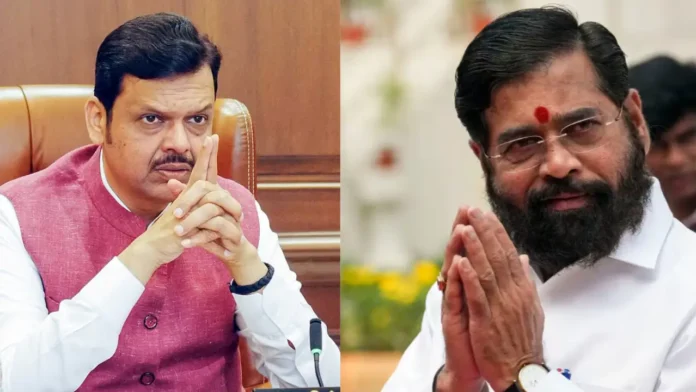
As negotiations over control of the Brihanmumbai Municipal Corporation intensify, Eknath Shinde has asked all 29 corporators elected on his Shiv Sena faction’s ticket to stay together at a five-star hotel in Mumbai. The decision reflects rising political tension and underscores the crucial role Shinde’s bloc has come to play in determining who governs India’s richest civic body.
What exactly happened
Soon after the BMC results, Shinde instructed his newly elected corporators to assemble at Taj Lands End in Bandra and remain there for several days. The aim is simple. He wants to keep the group united during a sensitive phase when discussions over the mayor, deputy mayor, and key committee posts are underway. By doing so, he hopes to shut the door on any last-minute attempts to lure away councillors.
The numbers behind the strategy
The BMC has 227 elected seats, and the majority mark stands at 114. The Bharatiya Janata Party emerged as the single-largest party with 89 seats but fell short of a clear majority. Shinde’s Shiv Sena faction won 29 seats, pushing the ruling Mahayuti alliance just past the halfway line. This arithmetic makes Shinde indispensable. Without his support, the BJP cannot comfortably stake claim to power in Mumbai’s civic administration.
Why Shinde is taking no chances
Shinde’s move serves two purposes. First, it prevents poaching at a time when individual corporators could tilt the balance in a closely fought civic body. Second, it strengthens his negotiating position within the alliance. By keeping his flock together, Shinde signals that his faction cannot be bypassed while deciding the mayoral face and the division of power inside the BMC.
Resort politics and Maharashtra’s past
Housing elected representatives in hotels during political negotiations is not new to Maharashtra. The state has witnessed this tactic during moments of instability, from post-election deadlocks to major party splits. In Mumbai, especially, luxury hotels have often doubled up as political safe houses. Shinde’s decision fits into this well-worn playbook, showing how deeply ingrained such methods have become in coalition politics.
Opposition reactions and counter-claims
The move has drawn sharp reactions from the opposition. Congress leaders mocked the fear of poaching and questioned whom Shinde was trying to protect his corporators from. Meanwhile, the Shiv Sena (UBT) accused the ruling alliance of misusing power during the civic polls. Uddhav Thackeray admitted his party wants the mayor’s post but acknowledged that it currently lacks the numbers to make that demand stick.
What this means for the mayoral race
By keeping his corporators together, Shinde has bought time and leverage. The BJP must now negotiate rather than dictate terms. While alliance leaders maintain that the mayor will come from the Mahayuti, the exact party and candidate remain open questions. Shinde’s unity display ensures that his faction stays at the centre of that decision.
A closer look at Shinde’s standing in Mumbai
The results also reveal a mixed picture for Shinde. Despite leading the government in the state, his faction managed fewer seats in Mumbai than the Uddhav Thackeray-led Sena. This gap explains why Shinde appears cautious. He knows that numbers, not titles, decide power inside the BMC, and every corporator counts.
Broader political implications
This episode highlights three larger trends. First, coalition politics in Maharashtra remains fragile and intensely transactional. Second, the BJP’s growing urban footprint still depends on allies to translate votes into control. Third, repeated resort politics raises questions about political trust and internal discipline, even as parties justify such moves as necessary safeguards.
What to watch next
Attention now shifts to the formal election of the mayor and the announcement of key committee heads. Any sign of strain within the alliance will attract scrutiny. Equally important will be how long the corporators stay together and how smoothly the Mahayuti finalises a power-sharing formula.
Final word
Shinde’s hotel move may look like political theatre, but it reflects the high stakes involved in controlling the BMC. Mumbai’s civic body commands massive budgets and influences daily urban life. In that context, keeping numbers intact becomes more than a tactic. It becomes a statement of survival and bargaining power in Maharashtra’s ever-shifting political landscape.

