


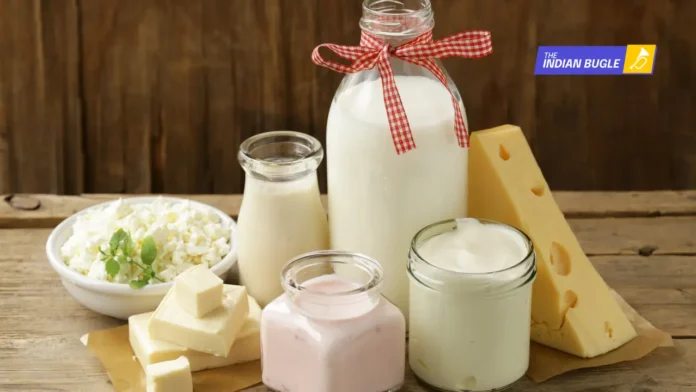
In Indian households, we often hear elders say “Doodh ke saath namak nahi khana chahiye” – salt should not be consumed with milk. But at the same time, most of us enjoy paneer bhurji, paneer tikka, shahi paneer, and many other paneer dishes that contain salt. This creates confusion – if salt with dairy is not recommended, then how is paneer safe?
In this article, we break down the belief, science, nutrition facts, Ayurvedic view, and practical tips so that everyone can understand clearly.
Why Do People Say Salt and Milk Should Not Be Taken Together?
The belief mainly comes from traditional and Ayurvedic practices, where it is said that milk and salt are not a compatible combination. According to Ayurveda:
- Milk is cooling and heavy
- Salt is heating and drying
When taken together, they are believed to disturb digestion and may lead to discomfort in some people. However, this does not mean everyone gets harmed. It depends on the individual’s digestive capacity and dietary habits.
In modern kitchens, we consume salted dairy items regularly, like cheese, paneer dishes, butter, white sauce pasta, milk-based gravies, etc., which indicates that for most people, this combination is generally tolerated well.
What Does Modern Science Say?
From a nutritional standpoint, the combination of salt and dairy is not inherently harmful for a healthy person. There is no conclusive scientific evidence stating that milk and salt together cause diseases.
However, the main health concern is not dairy – it is excess salt intake.
High salt consumption can:
- Increase blood pressure
- Put a load on the heart and kidneys
- Raise the risk of cardiac problems
- Causes water retention and bloating
So, salt should be controlled overall, not only in dairy.
Paneer & Salt: Safe or Not?
Paneer is a dairy product made from curdled milk, rich in protein and calcium. It is a common part of Indian meals and is often cooked with salt. Unlike plain milk with salt, paneer is solidified milk protein, which behaves differently in digestion.
Paneer Nutrition (approx. per 100g):
- Calories: 300–320
- Protein: 15–21g
- Fat: 22–27g
- Carbs: 3–5g
- Calcium: High – beneficial for bones
Fresh homemade paneer naturally contains very low salt. Salt usually comes from:
- Cooking (curries, gravy, bhurji)
- Seasoning in paneer tikka
- Packaged or processed paneer (which may contain more sodium)
Is Paneer with Salt Harmful?
For most healthy individuals, eating paneer with salt is safe in moderation. Paneer is widely consumed across India with spices and salt without any side effects.
Problems arise only when:
- Salt intake is very high overall
- A person has high BP, heart or kidney disease
- Paneer is consumed in heavy, creamy, oily forms daily
- Packaged/processed cheese with high sodium is overused
So the real issue is excess salt and excess richness, not paneer itself.
Ayurvedic Perspective on Salt + Milk/Panner
Ayurveda focuses on maintaining balance in digestion and doshas. It advises avoiding salt immediately with plain milk, especially if digestion is weak. However, paneer is usually consumed cooked with vegetables and spices, making it easier to digest than milk + salt directly.
Those who strictly follow Ayurveda can:
- Avoid drinking milk right after a salty meal
- Leave a 1–2 hour gap between milk and salty food
- Consume paneer as a cooked dish in moderation
Practical Tips For Safe Paneer Consumption
Best Practices
- Prefer homemade paneer — low in salt and fresh
- Use moderate salt while cooking
- Add vegetables like palak, capsicum, peas, and carrot
- Use less cream, butter & excess oil
- Balance meals – if breakfast was salty, reduce salt at dinner
- Drink milk separately, not immediately after salty snacks
Avoid Excess If You Have:
- High blood pressure
- Kidney issues
- Heart disease
- Salt-restricted diet
Consult your doctor for a personalised intake limit.
Final Conclusion
Paneer with salt is generally safe for common people when eaten moderately. The real concern is not “salt + dairy” but “too much salt and overeating rich foods.”
You do not have to avoid paneer dishes because they contain salt. Enjoy them sensibly, keep salt intake balanced, and maintain a wholesome diet.

